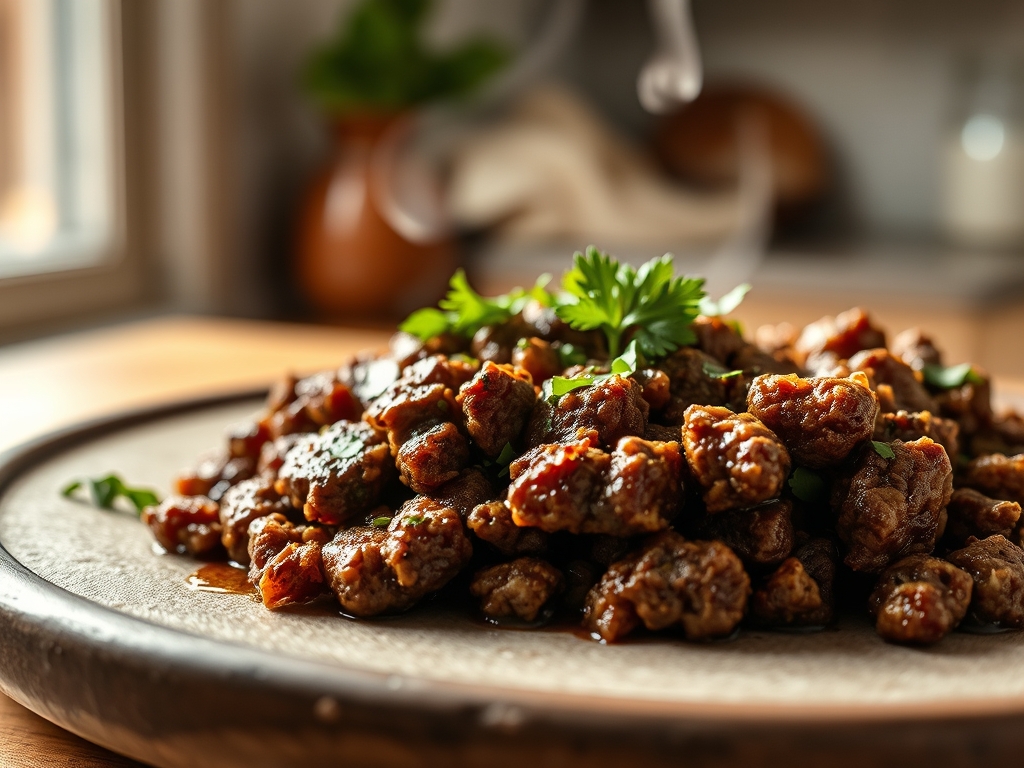
The scent of toasted cumin and searing fat hitting a heavy-bottomed skillet is my personal love language. When you explore middle eastern ground beef recipes, you are not just cooking dinner; you are conducting a masterclass in the Maillard reaction and spice tempering. We are talking about dishes that balance the deep, savory notes of rendered beef with the piquant brightness of sumac and fresh parsley. It is soulful, vibrant, and scientifically fascinating.
From the springy texture of a perfectly kneaded Kofta to the crispy, golden edges of a pan-seared Arayes, these recipes rely on the chemistry of fat emulsification and moisture retention. If you have ever wondered why restaurant kebabs are so much juicier than your home version, it comes down to how you manipulate the protein fibers. Today, we are going to dive into eight iconic dishes: Kofta, Kibbeh, Arayes, Musakaa, Lahmacun, Hummus Kawarma, stuffed Mahshi, and Sambousek. We will master the art of the blend, ensuring every bite is a balanced explosion of flavor and texture.
The Gathers:
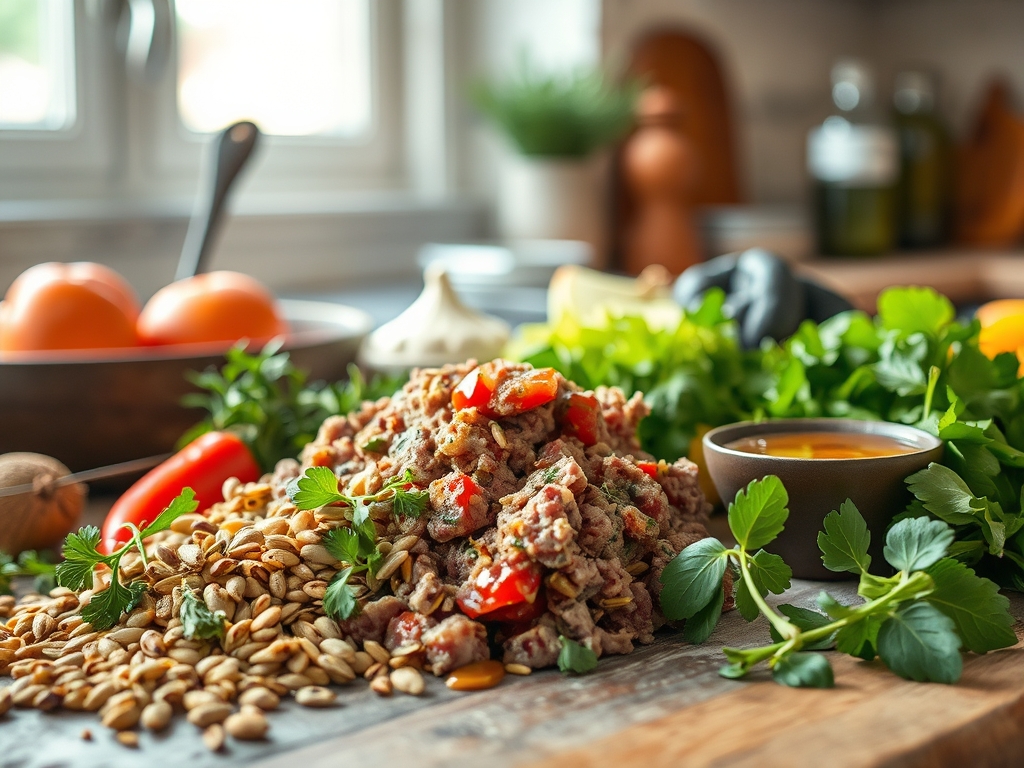
To achieve professional results, your mise-en-place must be precise. Start with a high-quality ground beef, ideally an 80/20 lean-to-fat ratio. Fat is the primary vehicle for flavor; it carries the fat-soluble compounds found in spices like cinnamon and allspice. You will need a microplane for grating fresh garlic into a fine paste, ensuring it distributes evenly without leaving bitter chunks. A digital scale is your best friend here for portioning Kofta so they cook at a uniform rate.
Your pantry should include Aleppo pepper for a mild, fruity heat and sumac for a tart, astringent finish that cuts through the richness of the meat. For "Smart Substitutions," if you cannot find ground lamb to mix with your beef, add a teaspoon of lamb fat or a touch of cumin and cloves to mimic that earthy profile. If you are out of pine nuts, toasted slivered almonds provide the same crunch and lipid content. Always use a bench scraper to tidy your station; it is the most underrated tool for moving chopped herbs into your mixing bowl without bruising the delicate leaves.
The Clock
Efficiency in the kitchen is all about "Chef's Flow." Most middle eastern ground beef recipes require about 20 minutes of active prep and 15 to 30 minutes of thermal application. The secret to the flow is the resting period. You must allow your meat mixtures to chill in the refrigerator for at least 30 minutes before shaping. This allows the proteins to "set" and the flavors to infuse.
Total time generally clocks in at 60 minutes. Use the chilling time to prepare your cold components, like a viscous tahini sauce or a sharp cucumber salad. By the time your heavy-bottomed skillet is preheated and smoking slightly, your meat is ready to hit the heat. This staggered approach prevents the frantic "chopping while searing" chaos that leads to overcooked proteins and muted spices.
The Masterclass
1. The Protein Emulsion
Start by combining your ground beef with finely grated onions and spices. Use your hands to knead the mixture vigorously for three minutes.
Pro Tip: This physical agitation develops myosin, a protein that creates a tacky texture. This ensures your Kofta stays on the skewer and achieves a springy, "snap" texture rather than crumbling.
2. Temperature Management
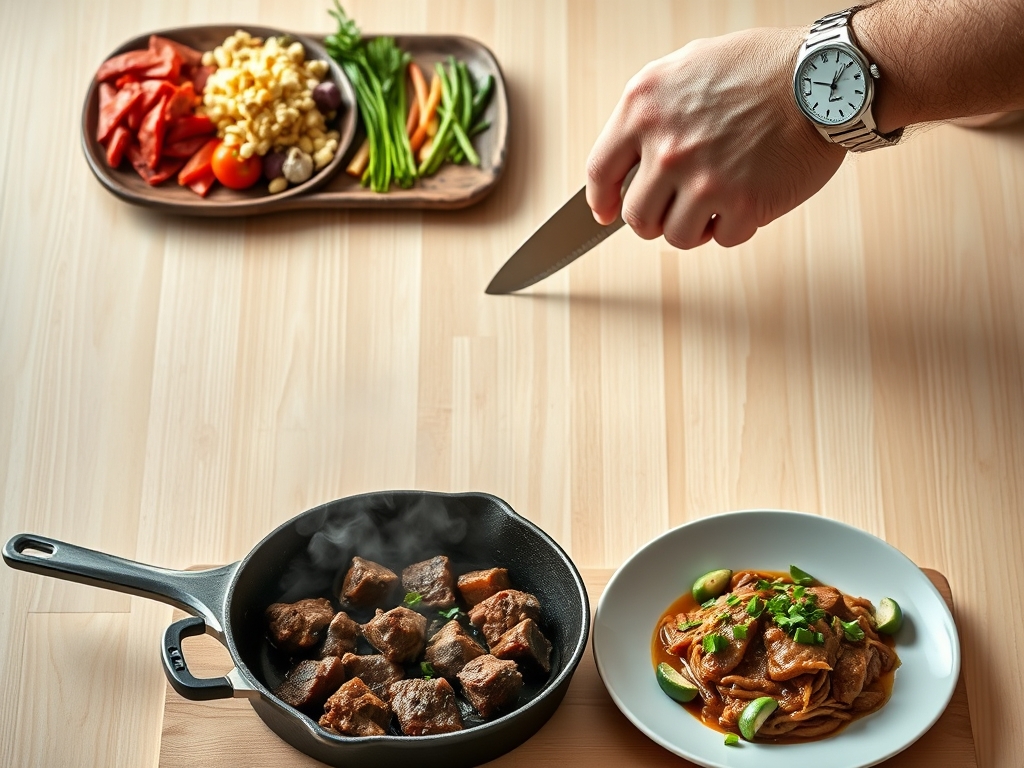
Preheat your cast iron skillet or grill until it reaches approximately 425 degrees Fahrenheit. Use tongs to place the meat, ensuring you do not crowd the pan.
Pro Tip: Crowding the pan drops the surface temperature, causing the meat to steam in its own juices rather than sear. Maintaining high heat triggers enzymatic browning, creating that savory crust.
3. The Deglaze and Infuse
Once the meat is browned, remove it and use a saucier to simmer any remaining juices with a splash of pomegranate molasses or lemon juice.
Pro Tip: This process, known as deglazing, lifts the fond (the caramelized bits) from the bottom of the pan. These bits contain concentrated flavor molecules that add complexity to your final sauce.
4. Thermal Carryover Resting
Remove the beef from the heat when it is five degrees below your target internal temperature. Place it on a warm platter and tent it loosely with foil.
Pro Tip: Thermal carryover will continue to cook the meat as it rests. Resting also allows the muscle fibers to relax and reabsorb juices, preventing a dry result when you finally cut into it.
The Deep Dive
Macro Nutrition
These dishes are protein powerhouses. A standard serving of beef Kofta provides roughly 25g of protein and 18g of fat. By incorporating bulgur (as in Kibbeh) or vegetables (as in Mahshi), you add complex carbohydrates and fiber, making these meals surprisingly balanced.
Dietary Swaps
For a Keto version, swap the bulgur in Kibbeh for riced cauliflower or extra almond meal. For Vegan guests, lentils mixed with walnuts and mushrooms can mimic the texture and umami of ground beef. Always use a gluten-free flour blend if you are thickening sauces or making Sambousek dough.
The Fix-It
- Dry Meat: If your beef is too lean, fold in a tablespoon of Greek yogurt or olive oil before cooking to add moisture.
- Falling Apart: If your kebabs won't stay together, the meat is too warm. Chill the mixture for an hour to solidify the fats.
- Bland Flavor: You likely under-salted. Salt is a flavor magnifier; add a pinch of finishing salt or a squeeze of lemon to "wake up" the spices.
Meal Prep and Reheating
To maintain "day-one" quality, reheat beef dishes in a covered pan with a tablespoon of water over low heat. This creates a steam environment that prevents the fats from oxidizing and turning "warmed-over" in flavor. Avoid the microwave, which can turn the protein rubbery through uneven molecular agitation.
The Wrap-Up
Mastering middle eastern ground beef recipes is a journey into the heart of aromatic cooking. By understanding the science of protein binding and the importance of high-heat searing, you elevate simple ingredients into a feast fit for a king. Whether you are stuffing pita for a quick Arayes or layering flavors in a complex Musakaa, remember that technique is just as important as the spice rack. Now, grab your heavy-bottomed skillet and get to work; your kitchen is about to smell incredible.
The Kitchen Table
How do I keep ground beef from being tough?
Avoid overworking the meat once it is mixed. For burgers or Arayes, a light touch prevents the proteins from knitting too tightly. For Kofta, however, vigorous kneading is required to develop the necessary springy texture.
What is the best fat ratio for Middle Eastern beef?
An 80/20 lean-to-fat ratio is ideal. The fat renders during cooking, basting the meat from within and carrying the essential oils of the spices. Leaner blends often result in a dry, crumbly texture.
Can I freeze these beef mixtures?
Yes, you can freeze raw, seasoned beef for up to three months. Thaw it completely in the refrigerator before cooking. This allows the spices to continue infusing the meat during the slow thawing process.
Why is my ground beef grey instead of brown?
Grey meat is a sign of steaming rather than searing. This happens if the pan is not hot enough or if it is overcrowded. Ensure your skillet is shimmering hot before adding the protein.