
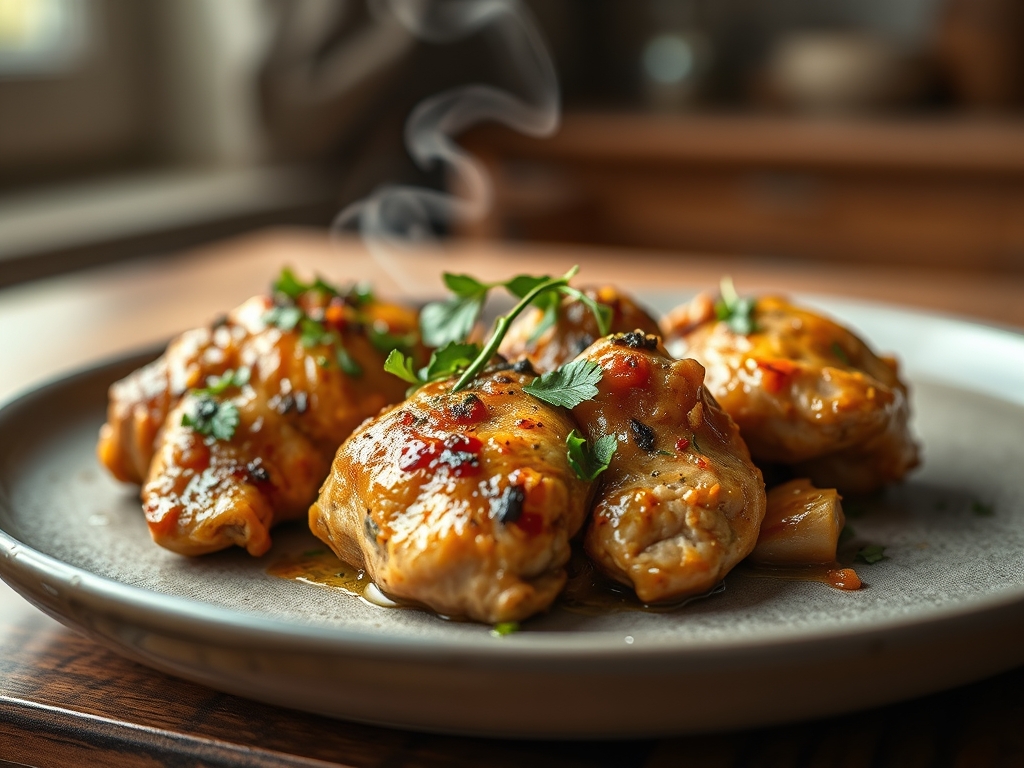
Imagine the scent of toasted cumin and searing fat hitting a heavy-bottomed skillet at six in the evening. There is a specific, primal joy in watching skin transform from pale velvet to a shattered-glass gold. When you are hunting for the ultimate chicken recipes halal, you are not just looking for a meal; you are looking for a symphony of high-quality protein and vibrant, aromatic spices that respect tradition while embracing modern technique. Whether it is the sharp tang of a yogurt marinade or the deep, earthy hum of a slow-simmered korma, these dishes represent the pinnacle of global comfort food. We are going to dive deep into the chemistry of the kitchen, from the way salt denatures proteins to the magic of the Maillard reaction. This is about more than following instructions. It is about mastering the heat, the fat, and the flavor profiles that make these eight dishes legendary in any household. Let us get your apron on and your knives sharpened.
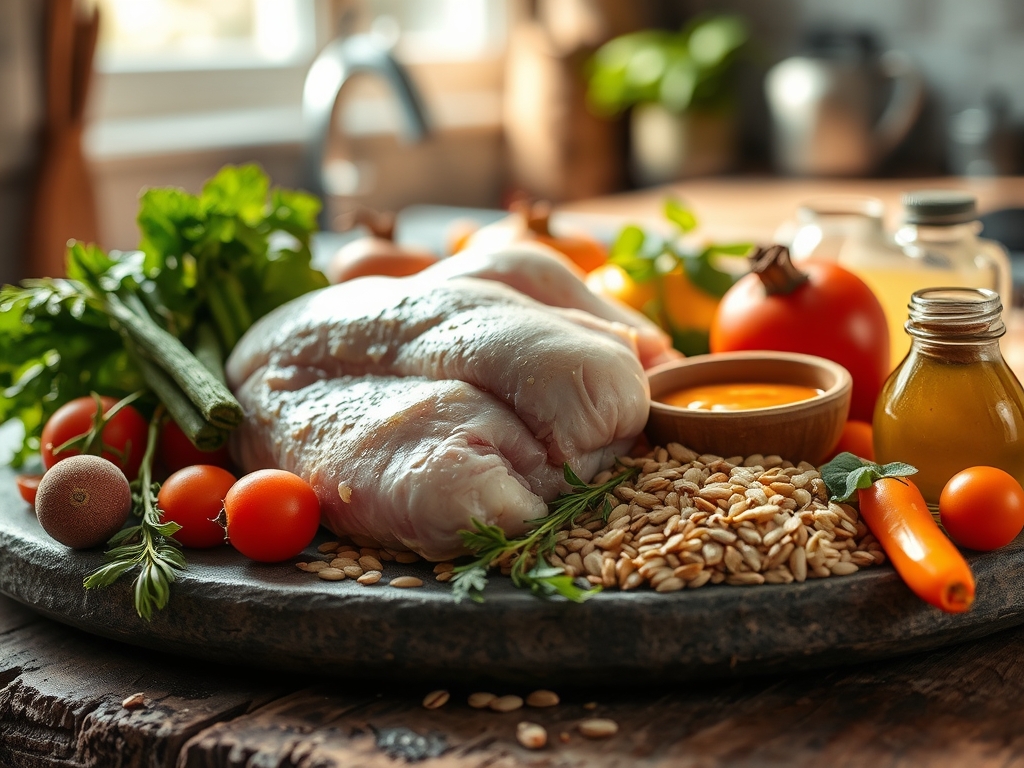
The Gathers:
To execute these chicken recipes halal with precision, your mise-en-place must be flawless. Start with the bird. For the juiciest results, look for air-chilled halal chicken; this process prevents excess water absorption, ensuring your sear is crisp rather than soggy. You will need a digital scale for your dry spices to ensure consistency. Gather whole peppercorns, cardamom pods, and cinnamon sticks. Grinding these fresh in a mortar and pestle releases volatile oils that pre-ground spices simply cannot match.
For the liquids, keep a high-quality olive oil and clarified butter (ghee) on hand. Ghee has a high smoke point of 485 degrees Fahrenheit, making it ideal for high-heat browning without the risk of acrid, burnt milk solids. Your aromatics—garlic, ginger, and shallots—should be processed with a microplane to create a fine paste. This increases the surface area, allowing the flavors to infuse the cooking fat almost instantly.
Smart Substitutions: If you cannot find fresh galangal for Southeast Asian variations, use a mix of ginger and a squeeze of lime to mimic that piney, citrusy bite. If you are out of Greek yogurt for marinades, labneh or even a full-fat coconut milk with a teaspoon of apple cider vinegar will provide the necessary acidity to tenderize the muscle fibers.
The Clock
Efficiency in the kitchen is about "Chef's Flow," the art of overlapping tasks so no heat is wasted. For these eight dishes, prep time generally clocks in at 30 minutes, with cooking times ranging from a 15-minute high-heat sauté to a 90-minute slow braise.
The secret is the marinade window. Most chicken recipes halal benefit from a minimum of four hours of marination, but the "sweet spot" is twelve hours. This allows the salt to penetrate deep into the breast tissue through osmosis. While the chicken rests, use your bench scraper to clear your workstation and prep your garnishes. Always allow your cooked chicken to rest for at least ten minutes before slicing; this allows the internal juices to redistribute. If you cut too soon, the liquid escapes, leaving you with dry fibers.
The Masterclass
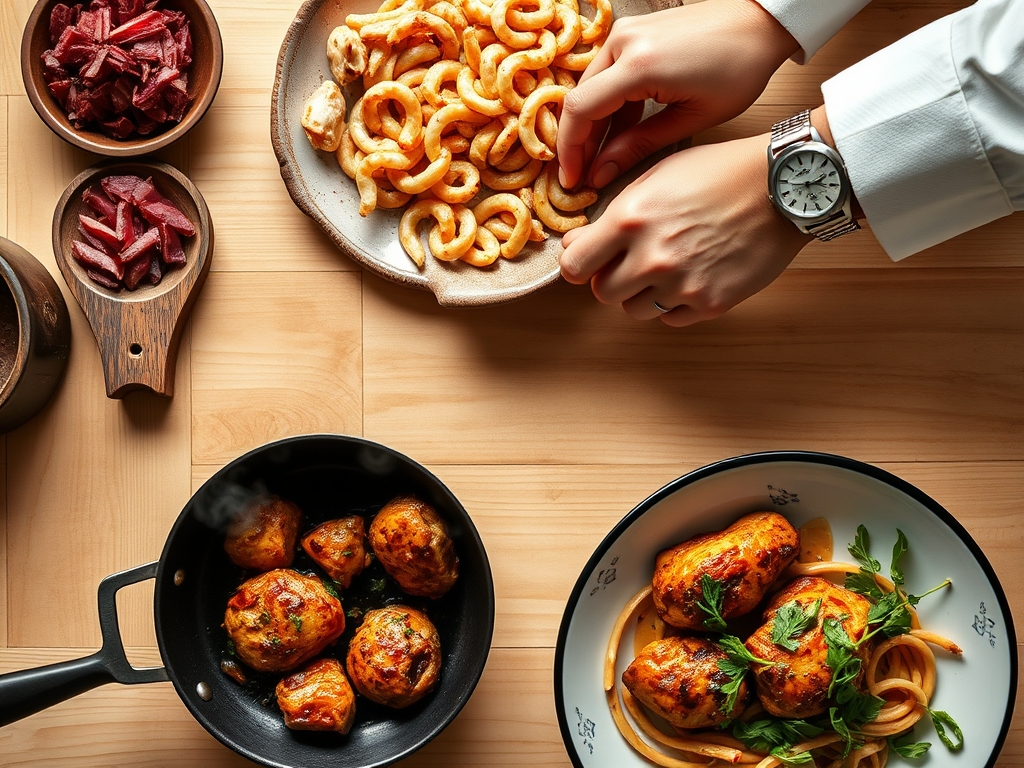
1. The Essential Sear
Start by patting your chicken bone-dry with paper towels. Moisture is the enemy of the Maillard reaction. Heat your heavy-bottomed skillet until a drop of water dances on the surface. Add your fat, then the chicken skin-side down.
Pro Tip: This is called thermal conduction. By keeping the chicken still, you allow the proteins and sugars to rearrange into hundreds of flavor compounds. If you move it too early, you tear the skin and lose that golden crust.
2. The Aromatic Base
Remove the chicken and lower the heat. Add your minced aromatics to the rendered fat. Use a saucier if you are making a curry to ensure the whisk can reach every corner.
Pro Tip: This stage is about sweating, not browning. You want the onions to become translucent and viscous, releasing their natural sugars without caramelizing too deeply, which provides a silky texture to the final sauce.
3. Deglazing the Fond
Once your aromatics are fragrant, pour in a splash of stock or citrus juice. Use a wooden spoon to scrape up the brown bits (the fond) stuck to the bottom of the pan.
Pro Tip: This is deglazing. Those brown bits are concentrated umami. Incorporating them back into the liquid creates a complex, layered flavor profile that elevates simple chicken recipes halal to restaurant quality.
4. The Gentle Braise
Return the chicken to the pan and add your liquid base, whether it is tomato puree, coconut milk, or broth. Lower the heat to a bare simmer.
Pro Tip: Keep the temperature around 190 degrees Fahrenheit. High boils toughen the protein. A gentle simmer ensures the collagen in the connective tissue breaks down into gelatin, resulting in a melt-in-your-mouth texture.
5. Emulsifying the Sauce
If your sauce looks broken or oily, whisk in a cold knob of butter or a spoonful of yogurt at the very end, away from the heat.
Pro Tip: This is emulsification. The fats and liquids are forced to bond, creating a glossy, piquant finish that coats the back of a spoon perfectly.
The Deep Dive
Macro Nutrition: On average, a 6-ounce serving of these halal chicken dishes provides 35-45 grams of high-quality protein. By using thighs instead of breasts, you increase your intake of monounsaturated fats and essential minerals like iron and zinc.
Dietary Swaps:
- Vegan: Replace chicken with extra-firm tofu or cauliflower steaks. Use cashew cream instead of yogurt.
- Keto: Ensure your sauces are thickened by reduction rather than flour. Use ghee as your primary fat.
- GF: These recipes are naturally gluten-free if you avoid processed spice mixes that use wheat-based anti-caking agents.
The Fix-It:
- The Sauce is Too Thin: Simmer uncovered to evaporate excess water, or whisk in a slurry of cornstarch and cold water.
- The Chicken is Dry: You likely overcooked it. Next time, use a digital thermometer and pull the chicken at 160 degrees Fahrenheit; carryover cooking will bring it to the safe 165 mark.
- The Spices are Bitter: You likely scorched them. Always add dry spices when there is enough moisture or fat in the pan to protect them from direct contact with the metal.
Meal Prep: To maintain "day-one" quality, reheat chicken in a covered dish with a tablespoon of water or stock. This creates a steam chamber that rehydrates the meat. Avoid the microwave if possible; a low oven (300 degrees) is much kinder to the protein structures.
The Wrap-Up
Mastering chicken recipes halal is a journey through texture, temperature, and tradition. By understanding the science of the sear and the patience of the braise, you transform a simple bird into a masterpiece. Remember, the best tool in your kitchen is your own palate. Taste as you go, adjust your acidity, and never be afraid to let that skin get a little darker in the pan. You have the techniques; now go make something incredible.
The Kitchen Table
How do I keep halal chicken breast from drying out?
Always use a brine or a yogurt-based marinade. The salt and acid break down tough fibers, while the yogurt creates a protective barrier. Use a digital thermometer to pull the meat at exactly 160 degrees Fahrenheit for perfect carryover cooking.
Can I use frozen chicken for these recipes?
Yes, but thaw it completely in the refrigerator first. Pat the meat extremely dry before cooking. Frozen chicken often releases more moisture, so you may need to sear it in smaller batches to avoid steaming the meat instead of browning it.
What is the best pan for searing chicken?
A cast-iron skillet or a heavy stainless steel pan is best. These materials retain heat efficiently, ensuring the surface temperature does not drop when you add the cold meat. This consistency is vital for achieving a professional, golden-brown Maillard reaction.
Why does my curry sauce look separated?
Separation usually happens when the heat is too high after adding dairy or coconut milk. To fix it, remove from heat and whisk vigorously. Adding a small amount of warm liquid can help re-emulsify the fats and liquids into a smooth sauce.