
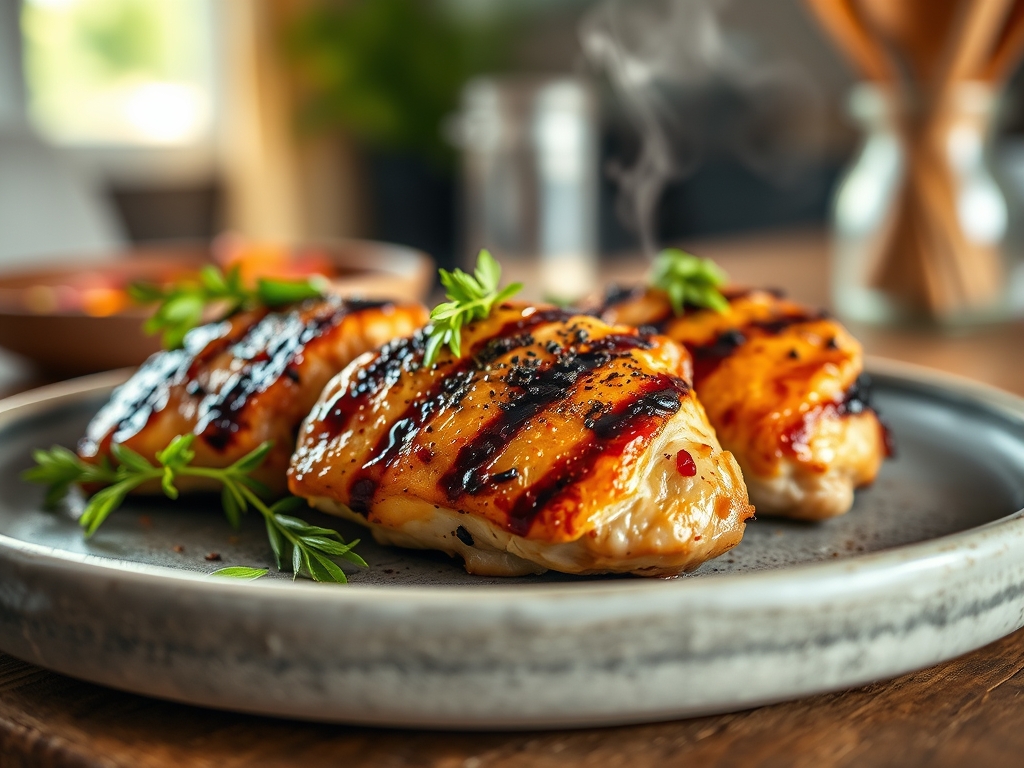
Close your eyes and listen for the rhythmic hiss of cold protein hitting a white hot grate. That sound is the overture to the perfect evening. Finding reliable grilled chicken recipes for dinner is less about following a list and more about mastering the physics of fire and flesh. We are chasing that elusive intersection of a charred, lacquered exterior and a center so succulent it practically dissolves.
The secret to a transformative meal lies in the invisible chemistry happening beneath the skin. When we talk about dinner, we are really talking about the Maillard reaction; the chemical dance between amino acids and reducing sugars that creates those deep, savory flavor compounds. Whether you are hosting a frantic weeknight gathering or a slow Sunday feast, these six variations will elevate your repertoire from basic sustenance to a culinary masterclass. We are going to use high heat to render fat and low heat to preserve moisture. Grab your favorite apron and a glass of something crisp. It is time to turn your backyard into a high-end bistro.
The Gathers:
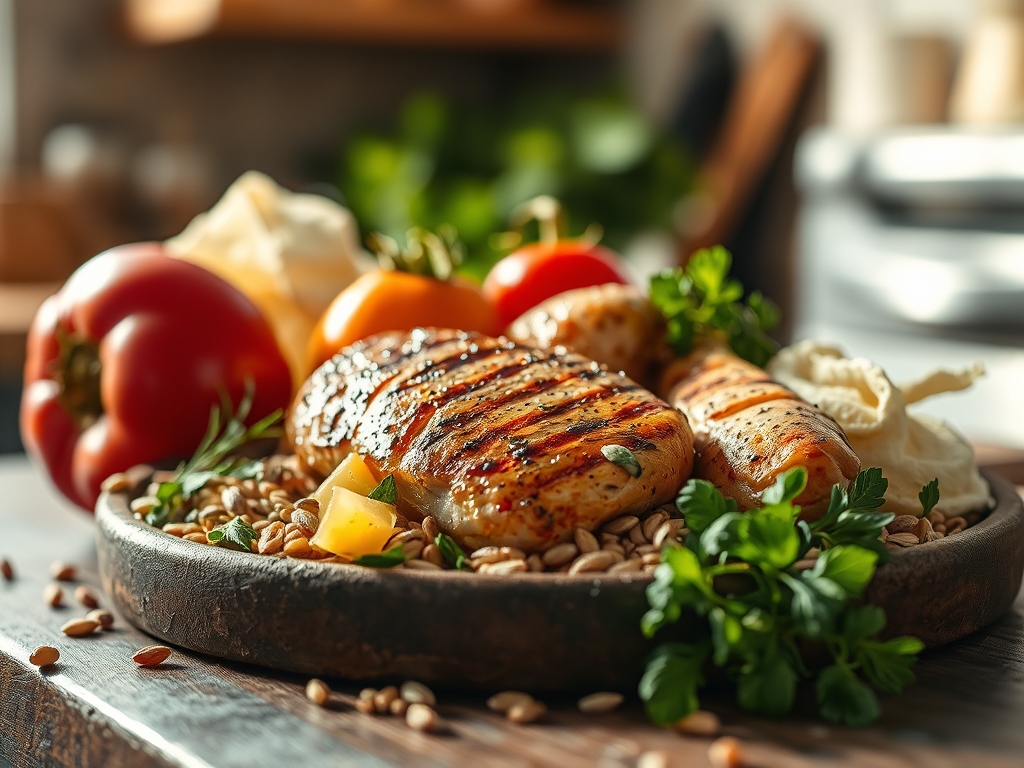
Before the first match is struck, your mise-en-place must be flawless. Professional kitchens run on organization, and your counter should reflect that. You will need high-quality poultry; preferably air-chilled to ensure the skin crisps rather than steams. Your aromatics should be vibrant and fresh. Think of your ingredients as a spectrum of pH levels and textures.
The Essentials:
- The Protein: 3 pounds of organic chicken (a mix of bone-in thighs for succulence and breasts for lean protein).
- The Viscous Base: Extra virgin olive oil or avocado oil for its high smoke point.
- The Piquant Elements: Freshly squeezed lemon juice, apple cider vinegar, or a splash of dry white wine to break down tough muscle fibers.
- The Aromatics: Smashed garlic cloves, grated ginger using a microplane, and woody herbs like rosemary or thyme.
- The Seasoning: Coarse kosher salt and cracked black peppercorns.
Smart Substitutions:
If you find yourself lacking a specific acid, do not panic. Swap lemon juice for a splash of verjus or a light rice vinegar to maintain that brightness. If you are out of fresh herbs, a high-quality dried oregano can be "awakened" by rubbing it between your palms to release the volatile oils before it hits the marinade. For a vegan-friendly side that mirrors these flavors, extra-firm tofu pressed with a bench scraper to remove moisture takes to these same marinades beautifully.
The Clock
Efficiency in the kitchen is what separates a stressed cook from a relaxed host. This is called the Chef's Flow. Your total active prep time is roughly 25 minutes, but the passive time is where the magic happens.
- Marination: 30 minutes (minimum) to 6 hours (maximum).
- Grill Preheat: 15 minutes to stabilize the thermal mass of the grates.
- Cook Time: 12 to 18 minutes depending on the cut.
- Resting: 8 to 10 minutes.
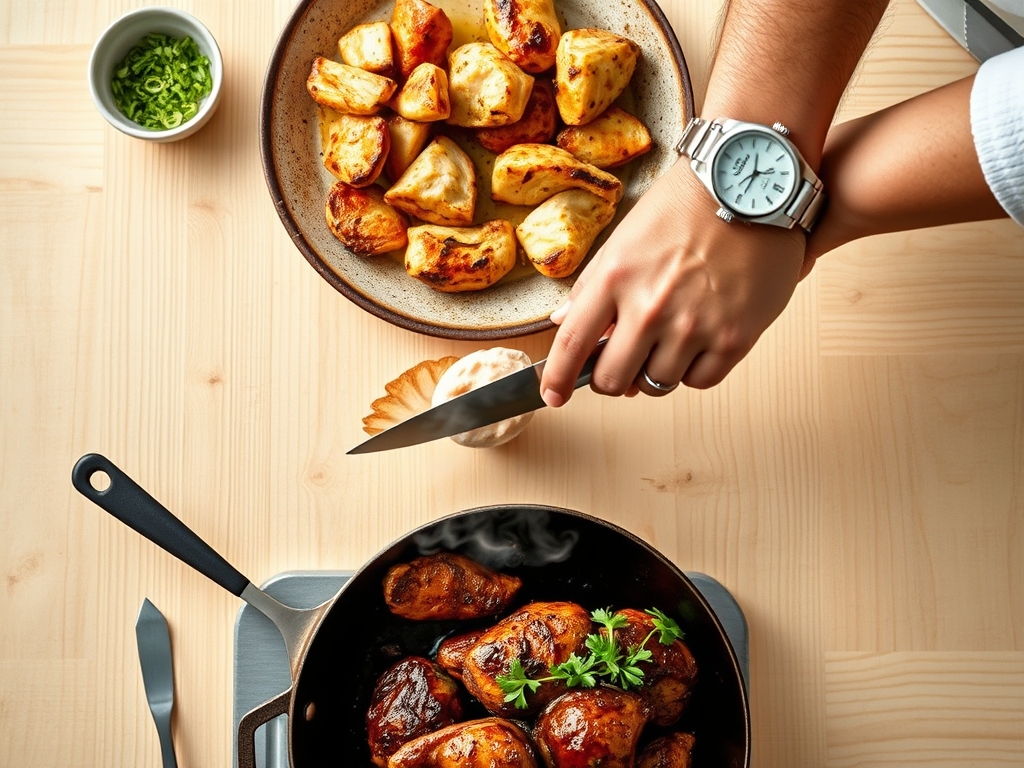
The flow begins with the marinade. While the acid works its way into the protein, you prep your sides. By the time the grill is screaming hot, your chicken has reached room temperature, ensuring an even cook from edge to center.
The Masterclass
1. The Brine and Infusion
Place your chicken in a non-reactive bowl or a heavy-duty zip bag. Whisk your oil, acid, and aromatics in a saucier or small bowl until the mixture is slightly emulsified. Pour it over the chicken, ensuring every crevice is coated.
Pro Tip: This process uses osmosis to pull seasoned liquid into the cells of the meat. Salt denatures the coiled proteins, allowing them to hold onto more water during the high-heat cooking process.
2. Tempering the Protein
Remove your chicken from the refrigerator at least 20 minutes before grilling. Use a bench scraper to clear your workspace and keep your station sanitary.
Pro Tip: Cold meat causes the muscle fibers to seize violently when they hit the heat. Tempering ensures a more gradual thermal transition, preventing a rubbery texture and ensuring the center reaches safety before the outside burns.
3. Establishing the Sear
Clean your grates with a wire brush and lightly oil them. Place the chicken skin-side down over direct heat. Use heavy-duty tongs to press the meat firmly against the grate for maximum contact.
Pro Tip: This stage is all about conduction. We are looking for enzymatic browning. Do not move the meat for at least 4 minutes; the chicken will "release" naturally from the grate once the proteins have sufficiently coagulated.
4. Managing the Zones
Once you have achieved a deep golden crust, move the chicken to the cooler side of the grill (indirect heat). Close the lid to create a convection oven environment.
Pro Tip: Using a two-zone fire allows the internal temperature to rise via convection without the exterior carbonizing. This prevents the formation of heterocyclic amines while keeping the juices locked inside.
5. The Glaze and Finish
If your recipe calls for a sugary glaze (like BBQ or honey-mustard), apply it only in the last 3 minutes of cooking. Use a silicone brush to paint a thin, even layer.
Pro Tip: Sugar has a low burning point. By waiting until the end, you allow the sugars to caramelize into a tacky, delicious lacquer rather than turning into bitter, black soot.
6. The Rest and Carve
Transfer the chicken to a warm platter. Tent it loosely with foil and wait.
Pro Tip: This is the most critical step. Thermal carryover will cause the internal temperature to rise another 5 degrees. More importantly, resting allows the agitated juices to redistribute; if you cut it too soon, the moisture will flood the board, leaving the meat dry.
The Deep Dive
Macro Nutrition:
A standard 6-ounce serving of this grilled chicken provides approximately 45 grams of high-quality protein and 12 grams of healthy fats. It is naturally low in carbohydrates, making it a staple for metabolic health.
Dietary Swaps:
- Keto: Eliminate honey or sugar from marinades; use monk fruit sweetener or extra garlic and herbs for depth.
- Vegan: Use the same marinade on thick "steaks" of cauliflower or oyster mushrooms.
- Gluten-Free: Ensure your soy sauce is substituted with tamari or coconut aminos.
The Fix-It:
- Flare-ups: If grease causes flames to lick the meat, move the chicken to the indirect zone immediately. Do not spray water; it creates a soot-filled steam.
- Sticking: If the meat won't budge, it is not ready. Wait another sixty seconds for the crust to fully form.
- Underdone at the Bone: If the breast is done but the bone-in thigh is pink, finish the thighs in a 350-degree oven for five minutes.
Meal Prep:
To maintain "day-one" quality, store leftovers in an airtight glass container. When reheating, avoid the microwave if possible. Instead, use a heavy-bottomed skillet with a tablespoon of water and a lid. This creates a gentle steam that rehydrates the fibers without overcooking them.
The Wrap-Up
Mastering grilled chicken recipes for dinner is your ticket to becoming the most popular person on the block. It is a blend of primal fire and sophisticated science. By understanding how salt, heat, and time interact, you are no longer just following a recipe; you are conducting a delicious experiment. So, fire up that grill, trust your instincts, and remember that the best meals are the ones shared with a bit of wit and a lot of heart.
The Kitchen Table
How do I keep grilled chicken from getting dry?
Always use a digital scale or thermometer to pull the chicken at 160 degrees Fahrenheit. The temperature will rise to the safe 165 mark during the rest. Brining beforehand also adds a moisture buffer to the muscle fibers.
What is the best way to clean grill grates?
Heat the grill to its maximum temperature for 15 minutes to carbonize any residue. Use a high-quality stainless steel brush to scrub the grates, then wipe them with an oil-soaked paper towel using tongs to create a non-stick surface.
Can I grill chicken that is still partially frozen?
It is not recommended. The exterior will char and dry out long before the interior reaches a safe temperature. Always thaw protein completely in the refrigerator or a cold water bath to ensure even heat distribution and food safety.
How long can I leave chicken in an acidic marinade?
Limit marination to 6 hours for citrus or vinegar-based liquids. Excessive exposure to acid will begin to "cook" the protein chemically, resulting in a mealy and mushy texture rather than the tender, juicy bite you are aiming for.