
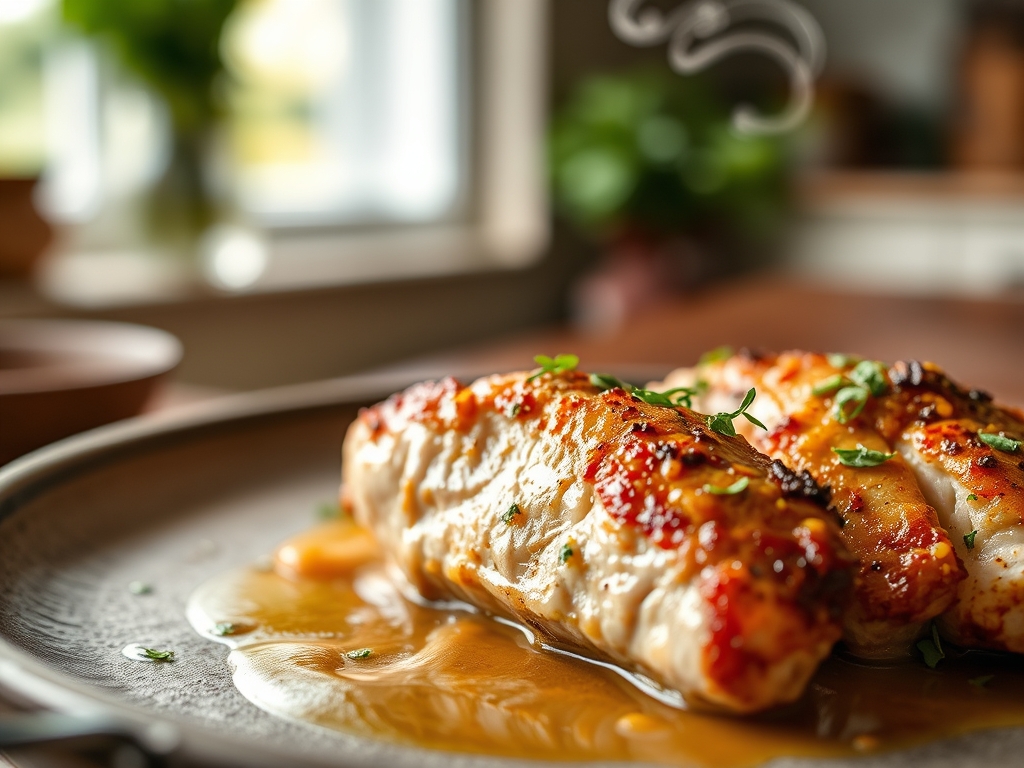
Picture the sharp, citrusy mist hitting your face as you zest a cold Persian lime over a sizzling, heavy-bottomed skillet. That immediate, piquant aroma is not just a smell; it is the opening act for the most vibrant lime chicken recipes you will ever master. We are moving beyond the dry, uninspired poultry of your past. We are diving into a world where acidity meets amino acids to create a crust so golden and a center so succulent that you will never look at a chicken breast the same way again.
The magic of lime chicken recipes lies in the chemical interaction between the citric acid and the muscle fibers of the bird. When we introduce lime juice to chicken, we are not just adding flavor; we are initiating a process of denaturing proteins that allows moisture to stay trapped within the cellular walls during the high-heat application of the Maillard reaction. It is a delicate balance of bright, high-note acidity and the deep, savory umami of rendered poultry fat. Whether you are craving a charred street taco vibe or a sophisticated pan-seared piccata, these techniques will transform your kitchen into a high-end bistro. Let us get your mise-en-place ready because we are about to engineer some serious flavor.
The Gathers:
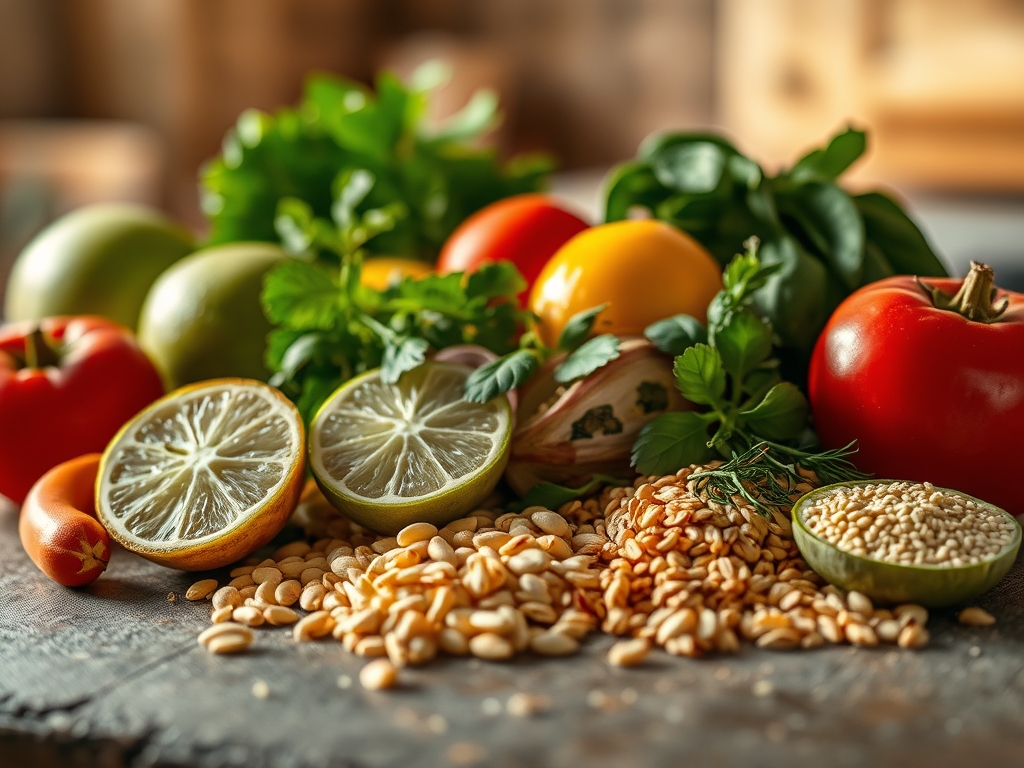
To execute these lime chicken recipes with precision, your workstation must be organized with scientific intent. Start with your protein: organic, air-chilled chicken thighs or breasts. Air-chilled poultry is superior because it has not absorbed excess water during processing, meaning it will sear rather than steam. You will need a high-quality microplane to harvest the zest; remember, the essential oils are trapped in the flavedo (the green part), while the white pith is bitter and should be avoided.
For the liquids, keep a bottle of high-smoke-point oil like avocado or grapeseed oil nearby. Extra virgin olive oil is lovely for finishing, but it will smoke and degrade during the high-heat searing required for a perfect crust. Grab your digital scale to measure out your kosher salt and cracked black pepper; consistency is the hallmark of a pro.
Smart Substitutions: If you find yourself out of fresh limes, do not reach for the bottled juice concentrate. It lacks the volatile aromatic compounds found in fresh fruit. Instead, use a combination of lemon juice and a splash of white balsamic vinegar to mimic that sharp, complex acidity. For a vegan twist on the base marinade, firm tofu pressed for thirty minutes can stand in for chicken, though you must reduce the marinating time to fifteen minutes to prevent the texture from becoming overly soft.
The Clock
Efficiency in the kitchen is all about "Chef's Flow." For these lime chicken recipes, your active prep time is approximately 20 minutes, while the cook time varies between 12 and 18 minutes depending on the thickness of your cut. However, the most critical "hidden" time is the marination period. You need at least 30 minutes for the acid to penetrate the surface, but never exceed two hours. Over-marinating in high-acid environments will actually "cook" the protein chemically, resulting in a mealy, mushy texture.
The flow should be: Prep the marinade, submerge the chicken, prep your side dishes while the protein rests, and then execute the sear. This staggered approach ensures that everything hits the table at the same time, maintaining the thermal integrity of the dish.
The Masterclass
1. The Surface Preparation
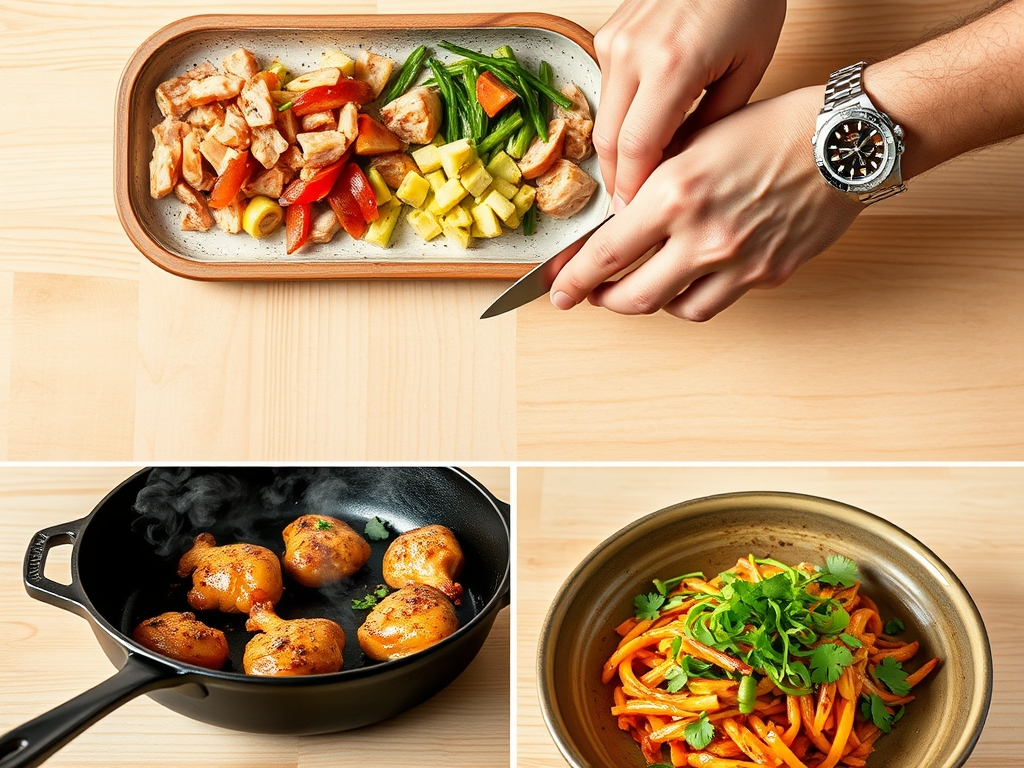
Pat your chicken bone-dry using paper towels. Moisture is the enemy of the Maillard reaction. If the surface is damp, the heat of the pan will be wasted evaporating water instead of browning the meat. Once dry, season aggressively with kosher salt from a height of about twelve inches to ensure even distribution.
Pro Tip: This is known as surface dehydration. By removing external moisture, you allow the surface temperature to rise rapidly above 285 degrees Fahrenheit, which is the threshold for enzymatic browning and the development of complex flavor compounds.
2. The Acidic Infusion
Whisk your lime juice, zest, minced garlic, and oil in a small saucier until the mixture is viscous and emulsified. Place the chicken in a shallow glass dish and pour the mixture over it. Use your hands to massage the marinade into every crevice, ensuring total coverage.
Pro Tip: The citric acid acts as a denaturant, breaking down the tightly wound protein coils. This allows the marinade to "tether" to the fibers, ensuring the lime flavor is infused deeply rather than just sitting on the surface.
3. The High-Heat Sear
Heat your heavy-bottomed skillet until a drop of water flicked onto the surface dances and evaporates instantly. Add your high-smoke-point oil. Use tongs to lay the chicken away from you to avoid oil splatter. Do not crowd the pan; if you drop the pan temperature too much, the chicken will boil in its own juices.
Pro Tip: Avoid the urge to move the chicken for at least four minutes. This allows for crust stabilization. Moving it too early will tear the delicate proteins that are currently bonding with the hot metal of the pan.
4. The Deglaze and Emulsify
Once the chicken is flipped and cooked through, remove it to a warm plate. You will see brown bits stuck to the pan; this is "fond," and it is pure gold. Pour in a splash of chicken stock and more lime juice. Use a wooden spoon or bench scraper to scrape up those bits.
Pro Tip: This process is called deglazing. The liquid dissolves the caramelized proteins, creating a concentrated sauce base. Whisking in a cold pat of butter at the very end will create a glossy, stable emulsion known as mounting with butter (beurre monte).
5. The Thermal Rest
Transfer the chicken to a cutting board and let it sit for at least five to seven minutes before slicing. This is the hardest part, but it is the most vital for a juicy result.
Pro Tip: This accounts for thermal carryover. The internal temperature will continue to rise by 5 degrees after leaving the pan. More importantly, resting allows the internal juices to redistribute. If you cut it immediately, the liquid will rush out, leaving you with dry meat.
The Deep Dive
From a macro perspective, lime chicken recipes are a nutritional powerhouse. A standard 6-ounce serving provides roughly 42 grams of high-quality protein with minimal carbohydrates, making it a staple for Keto and Paleo lifestyles. To keep it Gluten-Free, ensure your chicken stock is certified and avoid using flour to thicken your pan sauce; the reduction method mentioned in the masterclass is naturally GF and provides a cleaner flavor profile.
The Fix-It:
- The Chicken is Rubber: You likely overcooked it. Use a digital thermometer to pull the chicken at 160 degrees Fahrenheit; carryover cooking will bring it to the safe 165 mark.
- The Sauce is Broken: If your lime butter sauce looks greasy and separated, it got too hot. Remove from heat and whisk in a teaspoon of heavy cream or a splash of water to re-emulsify the fats.
- The Flavor is Dull: You probably forgot the zest. The juice provides the "sour," but the zest provides the "floral aroma." Add a fresh sprinkle of zest right before serving to brighten the profile.
Meal Prep Science: To maintain "day-one" quality when reheating, avoid the microwave, which vibrates water molecules and toughens the protein. Instead, reheat in a covered skillet with a tablespoon of water or stock over medium-low heat. This creates a steam chamber that rehydrates the fibers without overcooking the exterior.
The Wrap-Up
Mastering lime chicken recipes is about more than just following a list of steps; it is about understanding the chemistry of your kitchen. When you combine the sharp, bright notes of citrus with the technical precision of a perfect sear, you elevate a simple weeknight staple into a culinary event. Go grab your tongs, find the heaviest pan you own, and let those limes work their magic. You have got the science, the tools, and the talent to make this the best meal of your week.
The Kitchen Table
Can I use lime juice from a bottle?
Fresh is always superior. Bottled juice is pasteurized, which destroys the bright, volatile oils and enzymes that give lime its signature "zing." For the best lime chicken recipes, always squeeze fresh fruit right before use to ensure peak acidity.
Why did my chicken stick to the pan?
The chicken likely wasn't dry enough or the pan wasn't hot enough. Protein bonds to metal at low temperatures. Ensure your skillet is shimmering hot and your chicken is patted dry to create an immediate non-stick sear.
How long should I marinate lime chicken?
Aim for 30 minutes to two hours. Because lime juice is highly acidic, marinating longer than four hours will begin to break down the protein fibers too much, resulting in a mushy, unpleasant texture rather than a tender one.
Is lime chicken keto-friendly?
Absolutely. Chicken and lime are naturally low in carbohydrates. To keep it keto, avoid adding honey or sugar to your marinade. Use fats like avocado oil or butter to build a rich, satisfying sauce without adding any unnecessary sugars.