
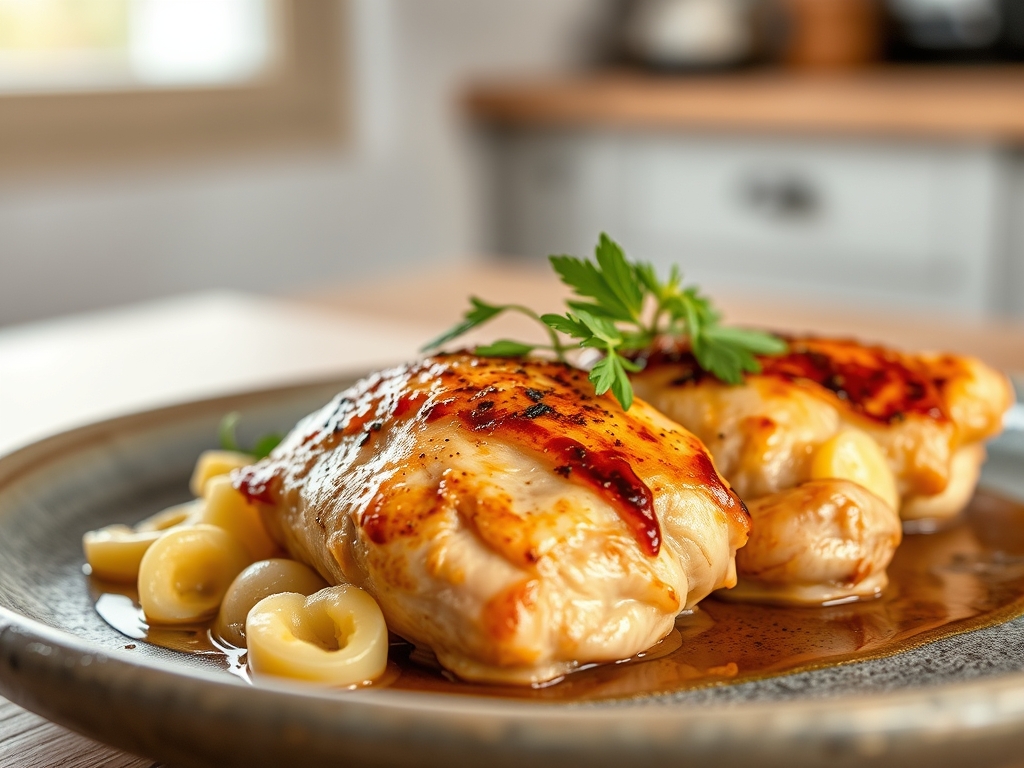
Imagine the sound of a heavy bottomed skillet hitting the burner; a resonant, metallic ring that signals the start of something glorious. Within minutes, the air transforms. You are smelling the Maillard reaction in real time as amino acids and reducing sugars dance in a pan of shimmering fat. Finding reliable chicken recipes for family dinners is not just about survival; it is about reclaiming the twenty minutes between the commute and the chaos. We are moving past the era of rubbery, uninspired poultry. Instead, we are leaning into the chemistry of high heat and the luxury of silk-smooth sauces. Whether you are craving a piquant lemon butter glaze or a deep, earthy braise, these six methods turn a standard bird into a masterpiece of texture and flavor. We are talking about crispy skin that shatters like glass and meat so tender it practically surrenders to the fork. This is where high-concept culinary science meets the reality of a Tuesday night.
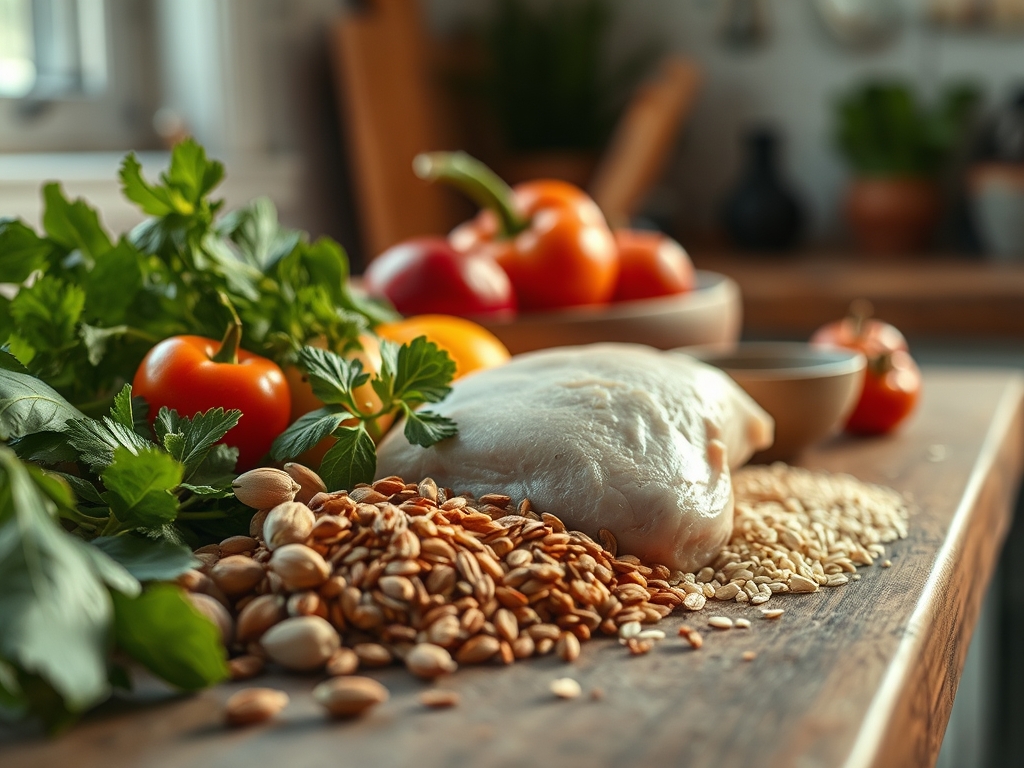
The Gathers:
Before we ignite the flame, look at your workspace. Professional cooking starts with mise-en-place; everything in its place. Your chicken should be patted dry with paper towels to ensure no surface moisture interferes with the searing process. You will need a high quality digital scale to measure your aromatics; precision beats guesswork every time. Gather your fats: unsalted butter for flavor and a high smoke point oil like avocado or grapeseed for the initial sear. Your aromatics should include fresh garlic cloves, shallots for a more delicate pungency, and woody herbs like rosemary or thyme.
Smart Substitutions: If you lack shallots, use the white parts of green onions for a similar sulfurous profile. If a recipe calls for heavy cream but you want to keep it light, a dollop of Greek yogurt can provide that viscous mouthfeel, though you must whisk it in off the heat to prevent curdling. For a gluten free crunch, swap panko for crushed pork rinds or almond flour; both offer excellent thermal insulation for the meat while providing a satisfying snap.
The Clock
Efficiency in the kitchen is all about the Chef's Flow. This is the art of overlapping tasks so that no second is wasted. These chicken recipes for family are designed to move from fridge to table in thirty to forty five minutes. Your prep phase should take exactly ten minutes. During this time, you are not just chopping; you are preheating your pans. A cold pan is the enemy of a good crust.
The cooking phase typically lasts twenty minutes. While the chicken renders in the skillet, you use that "dead time" to whisk your vinaigrettes or steam your greens. The final five to ten minutes are reserved for the most important step: the rest. Thermal carryover means your chicken continues to cook after it leaves the heat. If you cut it immediately, the internal pressure will force all those precious juices onto the cutting board. Patience is a culinary tool just as vital as your chef's knife.
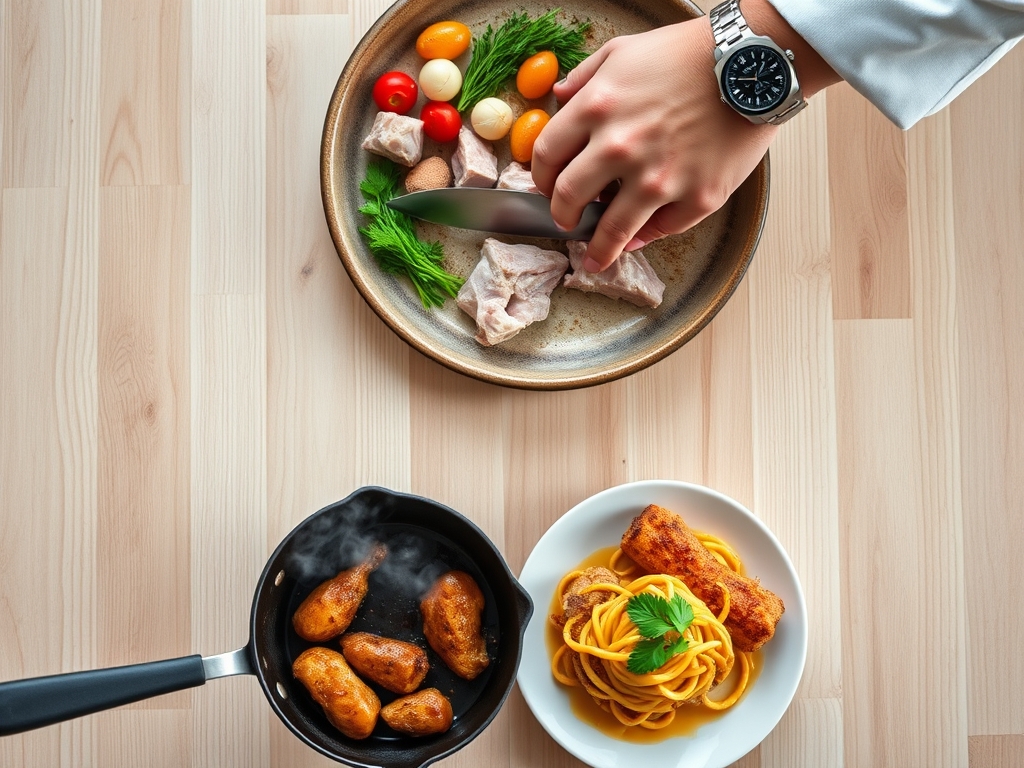
The Masterclass
1. The Perfect Sear
Place your seasoned chicken skin side down into a preheated heavy bottomed skillet. Use your tongs to press the meat firmly against the metal to maximize surface contact. Do not move the meat for at least four minutes. You are waiting for the proteins to denature and release naturally from the pan.
Pro Tip: This is the science of adhesion and release. When the Maillard reaction is complete, the proteins structurally change and "unstick" themselves. If you have to tug, it is not ready.
2. Deglazing the Fond
Once the chicken is removed, you will see brown bits stuck to the pan. This is called "fond." Pour in a splash of dry white wine or chicken stock. Use a wooden spoon or a bench scraper to lift these caramelized particles into the liquid.
Pro Tip: Deglazing uses solvent extraction to pull concentrated flavor compounds back into your sauce. These bits contain the highest density of umami in the entire dish.
3. Emulsifying the Sauce
Reduce your heat to low. Whisk in cold cubes of butter or a splash of heavy cream. Move your whisk in a rapid circular motion to integrate the fats into the water based liquid.
Pro Tip: You are creating a stable emulsion. The cold temperature of the butter prevents the fat from separating too quickly, resulting in a glossy, viscous sauce that coats the back of a spoon.
4. Aromatics Infusion
Add your minced garlic and herbs during the final two minutes of sauce reduction. If you add them too early, the delicate volatile oils will evaporate, leaving behind a bitter taste.
Pro Tip: This is lipid-based infusion. Many flavor compounds in garlic and herbs are fat soluble; they need the fat in your sauce to "carry" the flavor to your taste buds.
5. The Internal Temp Check
Use a digital thermometer to check the thickest part of the meat. You are looking for 160 degrees Fahrenheit. Remove it from the heat immediately.
Pro Tip: Thermal carryover will bridge the gap. The residual heat on the surface of the meat will continue to travel inward, bringing the final internal temperature to a safe and juicy 165 degrees.
6. The Rest and Slice
Place the chicken on a warm plate and tent it loosely with foil. Let it sit for five to seven minutes before slicing against the grain.
Pro Tip: Resting allows the muscle fibers to relax. As the temperature drops slightly, the fibers reabsorb the moisture they squeezed out during the high heat of cooking.
The Deep Dive
From a macro perspective, chicken is a lean protein powerhouse. A standard six ounce breast provides roughly 50 grams of protein with minimal saturated fat. To keep these chicken recipes for family keto friendly, simply omit the flour dredging and use heavy cream or butter for your sauces. For a vegan twist, these same sauce techniques work beautifully with "chicken" style soy proteins or thick slices of cauliflower, though you should use olive oil or coconut milk to maintain the emulsion.
The Fix-It: If your sauce "breaks" and looks oily, whisk in a teaspoon of warm water to re-emulsify the fats. If your chicken is dry, you likely skipped the resting phase or overcooked it; next time, use a dry brine of salt for thirty minutes before cooking to help the cells retain water. If the skin is soggy, your pan wasn't hot enough or you crowded the skillet, creating steam instead of a sear.
Meal Prep: When reheating, do not use the microwave on high power. It agitates water molecules too violently, toughening the protein. Instead, use a low oven or a skillet with a splash of broth. This "low and slow" approach preserves the cellular structure for "day-one" quality.
The Wrap-Up
Mastering chicken recipes for family is the ultimate kitchen flex. It is the perfect marriage of technical precision and soulful comfort. By understanding the physics of the sear and the chemistry of the emulsion, you move from following a script to improvising like a pro. Your kitchen is now a laboratory of flavor where every deglaze and every rest contributes to a superior dining experience. Now, grab your tongs and get to work; that skillet isn't going to heat itself!
The Kitchen Table
How do I get the skin extra crispy?
Pat the skin completely dry and salt it early. Use a heavy bottomed skillet with high heat oil. Do not crowd the pan; moisture from too many pieces will steam the skin instead of frying it to a golden crunch.
Can I use chicken thighs instead of breasts?
Absolutely. Thighs have more connective tissue and fat, making them more forgiving. They require a slightly longer cook time but stay much juicier. Aim for an internal temperature of 175 degrees for the best texture in dark meat.
What is the best way to mince garlic quickly?
Use a microplane for a fine paste that melts into sauces, or smash the clove with the flat of your knife first. This breaks the cell walls, releasing the enzymes that create that signature piquant bite we all love.
Why does my chicken always turn out rubbery?
Rubbery chicken is usually a result of overcooking or "shocking" the meat by cooking it straight from the fridge. Let the meat sit at room temperature for fifteen minutes before cooking to ensure even heat distribution through the fibers.