
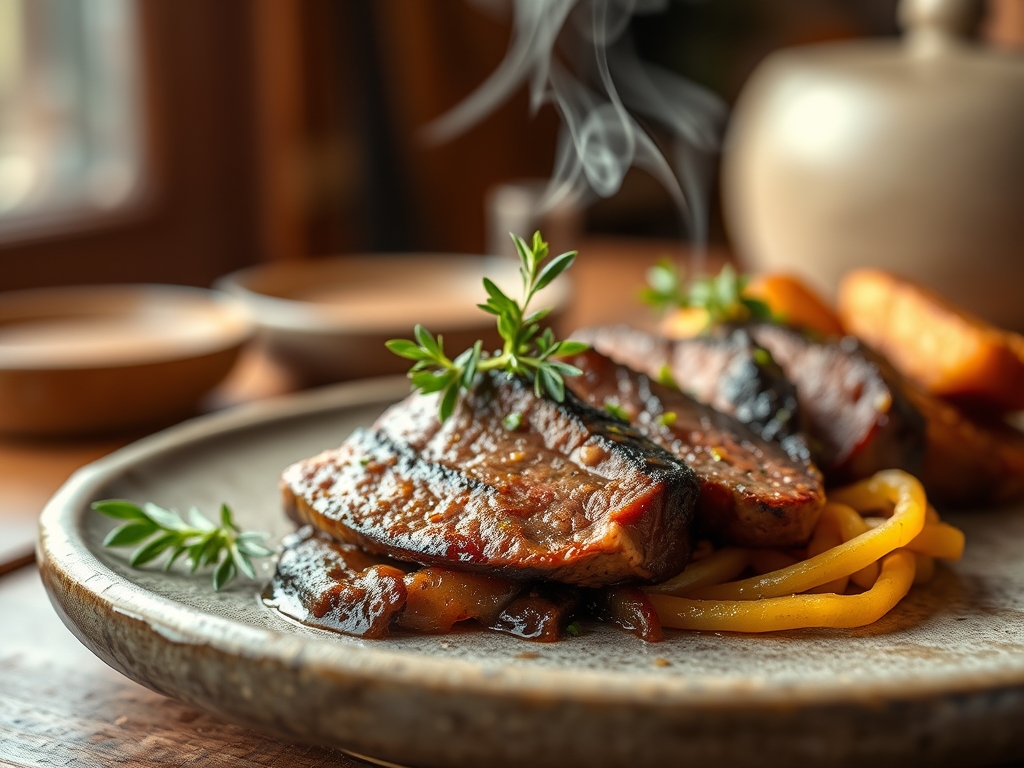
Picture the sizzle of a cast iron pan as it meets a cold-pressed oil; then, imagine the deep, mineral rich aroma of a pasture raised steak hitting that surface. Mastering grass-fed beef recipes requires more than just a heat source; it demands an understanding of lean muscle fibers and the delicate yellow fat that carries high levels of beta-carotene.
The difference between conventional grain-finished beef and its grass-fed counterpart is foundational. Grass-fed cattle produce meat that is leaner and higher in Omega-3 fatty acids, which means your cooking technique must pivot from high-heat endurance to precision temperature management. If you treat a grass-fed ribeye like a standard supermarket cut, you will end up with a tough, overcooked result. Instead, we are going to harness the power of low-and-slow rendering followed by a high-intensity sear to lock in moisture and maximize the Maillard reaction. This guide will walk you through ten versatile preparations, from silky tartare to robust braises, ensuring every bite is a testament to sustainable agriculture and culinary excellence.
The Gathers:
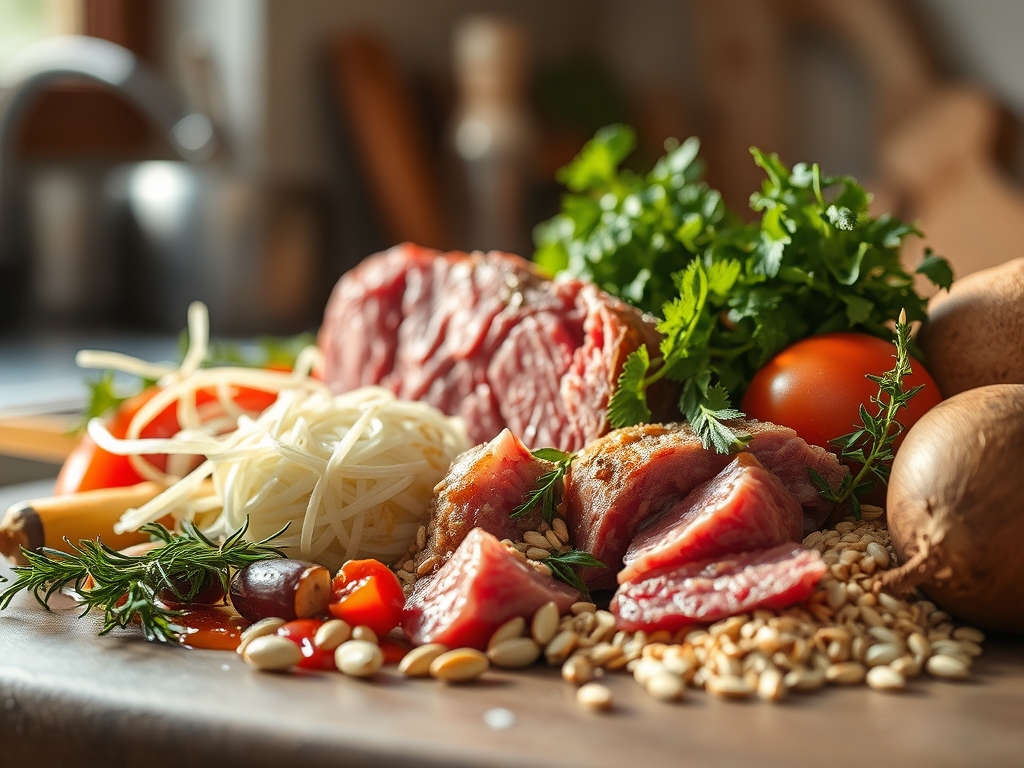
Your mise-en-place is the laboratory bench for your kitchen. To execute these grass-fed beef recipes, start with high-quality protein that is dry-aged if possible. You will need a digital scale to measure your aromatics; precision here prevents the piquant notes of garlic or shallots from overwhelming the beef's natural earthy profile.
Gather your fats: tallow, ghee, or avocado oil are preferred because they have high smoke points and do not introduce water, which would hinder browning. For the herbaceous components, look for resinous herbs like rosemary and thyme. Their volatile oils infuse the fat during the basting process. You will also need coarse kosher salt to draw out moisture and create a brine on the surface, plus a microplane for zesting citrus or grating fresh horseradish to provide a bright acidic counterpoint to the rich lipids.
Smart Substitutions:
If you cannot find tallow, use duck fat for a similarly high-smoke point and savory depth. For those avoiding nightshades, swap red pepper flakes for cracked long pepper to achieve a floral heat. If you are out of fresh herbs, a high-quality dried bay leaf can provide the necessary woody backbone to a slow-simmered stew.
The Clock:
Efficiency in the kitchen is about "Chef's Flow," a concept where tasks are layered to minimize downtime. For these grass-fed beef recipes, expect a total active prep time of 30 minutes, but the "Clock" varies wildly based on the cut. A quick-sear flank steak takes 8 minutes of heat, while a collagen-rich brisket requires 6 to 8 hours of gentle braising.
The "Flow" begins with "Tempering." You must pull your beef from the refrigerator at least 45 minutes before cooking. This allows the internal temperature to rise, ensuring even heat penetration. While the beef tempers, use your bench scraper to clear your workspace and prep your mirepoix. Remember that grass-fed beef cooks approximately 30 percent faster than grain-fed beef due to its lower fat insulation. Always set your timer for 5 minutes less than a standard recipe suggests to account for this thermal sensitivity.
The Masterclass:
1. The Tempering Phase
Place your beef on a wire rack over a sheet pan. This allows air to circulate around the entire cut, drying the surface. A dry surface is non-negotiable for a perfect crust.
Pro Tip: This phase utilizes evaporative cooling. By drying the exterior, you ensure the energy of the pan goes toward browning the meat rather than boiling off surface moisture.
2. The Seasoning Layer
Apply salt generously from a height of ten inches to ensure even distribution. Use your hands to press the crystals into the grain of the meat.
Pro Tip: Salt triggers denaturation, where protein strands unwind and then trap water, resulting in a juicier final product despite the lean nature of grass-fed cuts.
3. The High-Sear Execution
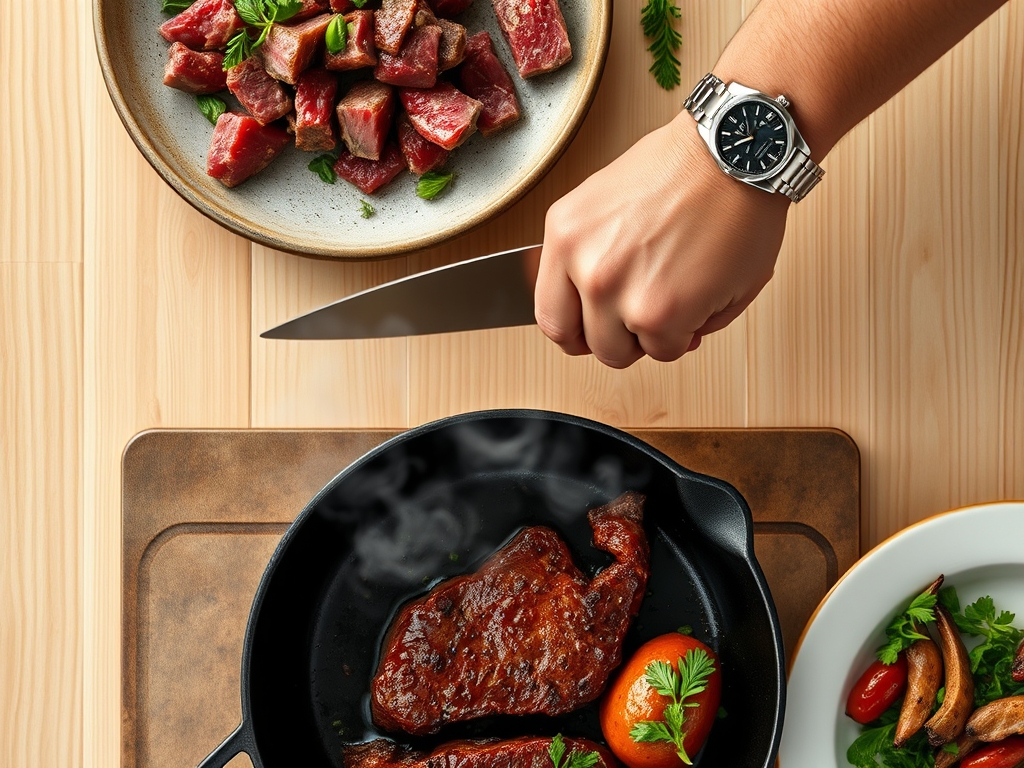
Heat a heavy-bottomed skillet until it reaches approximately 425 degrees Fahrenheit. Add your high-smoke point oil and wait for it to shimmer. Lay the beef away from you to avoid splashes.
Pro Tip: This is the Maillard reaction in action. Amino acids and reducing sugars rearrange to create hundreds of flavor compounds that give beef its savory, "roasty" profile.
4. The Aromatic Baste
Once you flip the beef, add a knob of butter, smashed garlic, and thyme. Use a large spoon to continuously bathe the meat in the foaming fat.
Pro Tip: This technique, known as arroser, uses the butter as a heat transfer medium to cook the nooks and crannies of the meat while adding a nutty, viscous mouthfeel.
5. The Carryover Rest
Remove the beef from the pan when it is 5 degrees below your target temperature. Place it on a warm plate and tent loosely with foil.
Pro Tip: Thermal carryover occurs as the exterior heat continues to move toward the center. Resting also allows the muscle fibers to relax and reabsorb juices.
The Deep Dive:
Macro Nutrition
Grass-fed beef is a nutritional powerhouse. It typically contains fewer total calories than grain-fed beef but offers significantly more Conjugated Linoleic Acid (CLA) and Vitamin E. For every 4-ounce serving, you are looking at roughly 22 grams of protein and 0 grams of carbohydrates, making it a staple for metabolic health.
Dietary Swaps
- Keto: Ensure you are basting with grass-fed butter or tallow to hit your fat macros.
- Paleo/Whole30: Swap any soy-based marinades for coconut aminos and use ghee instead of butter.
- Vegan "Beef": While not grass-fed, if cooking for a mixed crowd, use king oyster mushrooms seared in the same "Masterclass" style to mimic the umami texture.
The Fix-It
- The Problem: The meat is gray and "steamed" instead of browned. The Fix: Your pan wasn't hot enough or you crowded it. Cook in smaller batches and use a digital thermometer to ensure the pan stays above 400 degrees.
- The Problem: The beef is tough and chewy. The Fix: You likely skipped the rest period or sliced with the grain. Always slice against the muscle fibers to shorten them for the palate.
- The Problem: The fat didn't render. The Fix: For cuts like picanha, use tongs to hold the fat cap directly against the pan surface for 2 minutes before searing the meat sides.
Meal Prep
To maintain "day-one" quality, never reheat grass-fed beef in a microwave, which vibrates water molecules and toughens the protein. Instead, use a saucier to gently warm a sauce or au jus, then submerge the sliced beef for 60 seconds just to take the chill off.
The Wrap-Up:
You are now equipped to handle the most sustainable, flavorful protein on the market. By respecting the lean anatomy of grass-fed beef and utilizing professional tools like the heavy-bottomed skillet and digital scale, you transform a simple meal into a culinary event. Remember that heat is your tool, but moisture management is your goal. Go forth, sear with confidence, and enjoy the deep, complex flavors that only pasture-raised cattle can provide.
The Kitchen Table:
Why is grass-fed beef often tougher than grain-fed?
Grass-fed beef is leaner because the cattle are more active. Without the insulating fat of grain-fed cows, the muscle fibers can tighten quickly. Using low-heat methods or shorter searing times prevents this structural toughening.
Can I use a slow cooker for grass-fed beef recipes?
Yes, but you must add extra fat. Since grass-fed cuts like chuck roast have less internal marbling, adding a tablespoon of tallow or olive oil ensures the meat remains moist during the long breakdown of collagen.
How do I know when grass-fed beef is perfectly done?
Use a digital meat thermometer. Because grass-fed beef cooks faster, you should pull steaks at 125 degrees Fahrenheit for medium-rare. The temperature will rise to the ideal 130 degrees during the mandatory five-minute resting period.
Does grass-fed beef need a marinade?
While not strictly necessary, an acidic marinade with lemon or vinegar can help tenderize the leaner muscle fibers. However, a simple dry brine of kosher salt for two hours is often more effective for enhancing the natural beef flavor.