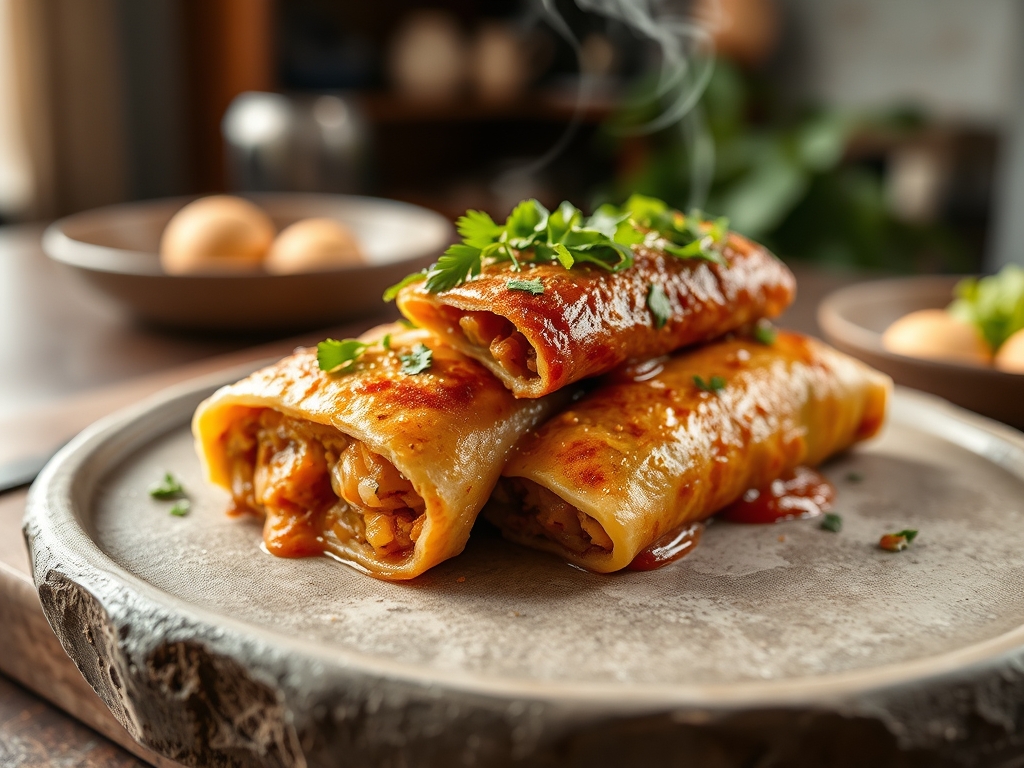
Picture the sound of a shattering glass ornament; that is the exact auditory feedback you should get from the first bite of a masterfully fried tortilla. We are moving beyond the soggy, microwave-reheated burritos of your collegiate years and stepping into the realm of high-end Tex-Mex engineering. When searching for chimichanga chicken recipes, most people settle for basic fillings wrapped in flour, but we are chasing the Maillard reaction. This chemical process occurs when amino acids and reducing sugars meet heat, creating that golden-brown crust and complex, nutty aroma that makes fried food irresistible.
The secret to a world-class chimichanga lies in the moisture management of the interior versus the dehydration of the exterior. If your filling is too watery, the steam will migrate outward, turning your structural integrity into a soggy mess before it even hits the plate. We are going to build a filling that is rich, viscous, and deeply seasoned, then seal it inside a flour vessel that has been optimized for a rapid thermal transition. This is the ultimate comfort food, elevated by a bit of kitchen physics and a lot of bold, piquant flavor. Grab your apron; we are about to turn your kitchen into the best cantina in town.
The Gathers:
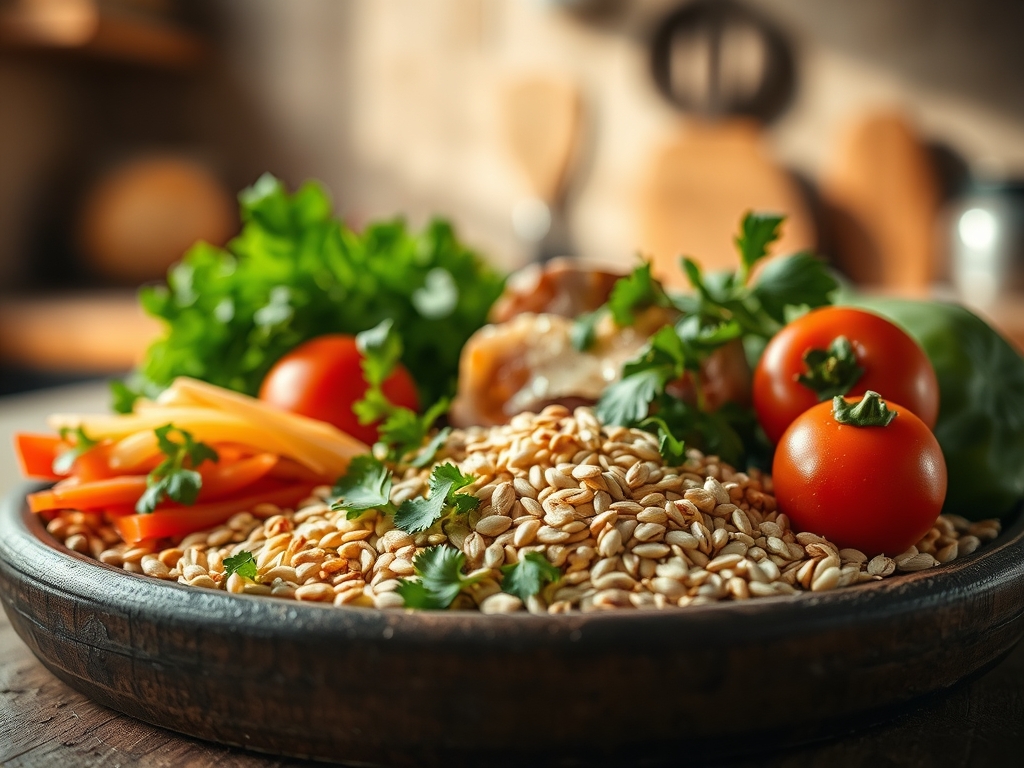
To execute this properly, your mise-en-place must be precise. We are using 1.5 pounds of boneless, skinless chicken thighs rather than breasts. Thighs contain more connective tissue, specifically collagen, which breaks down into gelatin during the cooking process to provide a superior mouthfeel. You will need ten large, room-temperature flour tortillas; cold tortillas have less elasticity and are prone to structural failure.
For the aromatic base, gather one white onion, three cloves of garlic, and a single jalapeño. Your spice cabinet should yield cumin, smoked paprika, dried oregano, and chili powder. To achieve the perfect internal texture, keep four ounces of full-fat cream cheese and a cup of shredded Monterey Jack on standby. The cheese acts as an emulsifier, binding the shredded protein and spices into a cohesive unit. Finally, you need a high smoke-point oil for frying. Avocado oil or refined peanut oil is ideal here, as they can withstand the 375 degree Fahrenheit requirement without oxidizing or imparting bitter off-flavors.
Smart Substitutions: If you are looking to lighten the caloric load, Greek yogurt can replace cream cheese, though you will lose some of the silky stability. For a smoky variation, swap the fresh jalapeño for a chipotle pepper in adobo sauce. If you are out of fresh garlic, use a microplane to grate frozen garlic ginger cubes directly into the pan for an instant flavor infusion.
The Clock
Prep Time: 20 Minutes
Cook Time: 25 Minutes
Total Time: 45 Minutes
The "Chef's Flow" for this recipe relies on overlapping tasks. While your chicken is simmering and rendering its fat in the heavy-bottomed skillet, you should be prepping your garnishes. By the time the chicken is ready to be shredded with two forks or a stand mixer, your oil should be preheating. This synchronization ensures that the filling is still warm when it is encased, preventing the "cold center" syndrome often found in amateur chimichanga chicken recipes.
The Masterclass
1. Sauté and Infuse the Aromatics
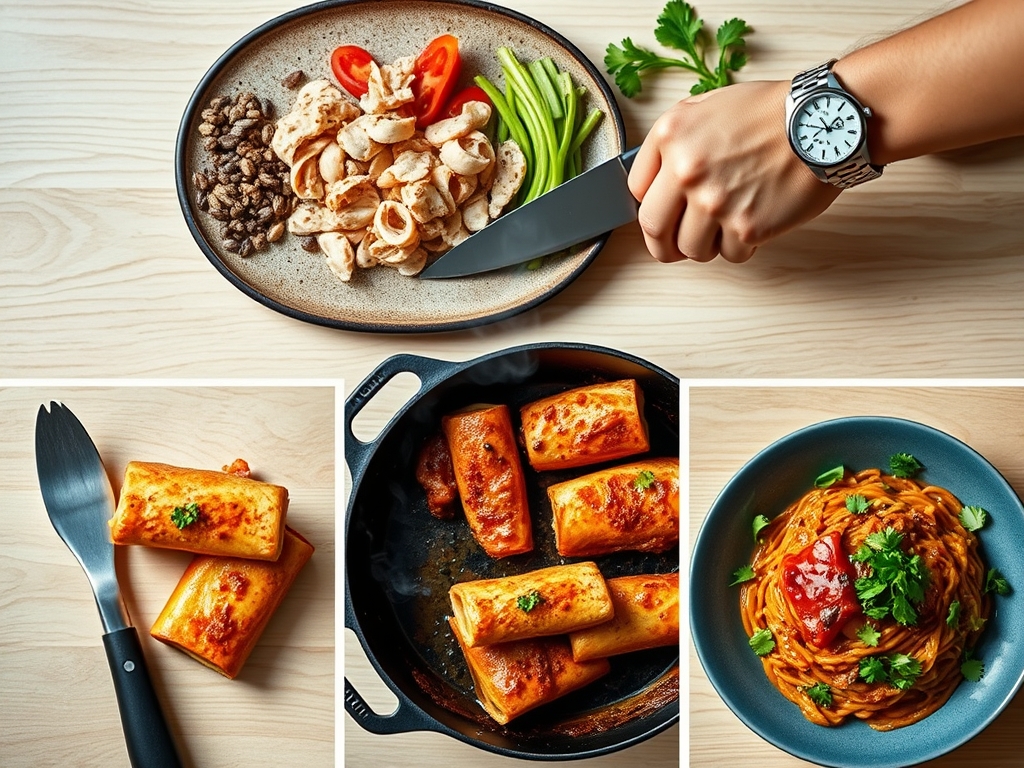
Begin by dicing your onion and jalapeño into a fine brunoise. Heat a tablespoon of oil in a heavy-bottomed skillet over medium-high heat. Add the vegetables and sauté until the onions become translucent. Use a microplane to grate the garlic directly into the pan during the last thirty seconds to prevent the delicate sulfur compounds from burning and becoming acrid.
Pro Tip: This stage is about sweating the vegetables to release their volatile oils. By keeping the heat moderate, you allow the moisture to evaporate slowly, concentrating the natural sugars without premature browning.
2. Poach and Shred the Protein
Add your chicken thighs to the skillet along with a half-cup of chicken stock and your spice blend. Cover and simmer for 12 to 15 minutes. Once the internal temperature hits 165 degrees Fahrenheit, remove the chicken and use a bench scraper or forks to shred it into fine ribbons.
Pro Tip: Utilize thermal carryover. If you pull the chicken at 160 degrees and let it rest, the residual heat will bring it to the safety zone while preserving the moisture within the protein fibers.
3. Emulsify the Filling
Return the shredded chicken to the skillet. Stir in the cream cheese and shredded Monterey Jack until the mixture is thick and viscous. The goal is a filling that holds its shape on a spoon; it should not be runny. This ensures the tortilla stays crisp during the frying stage.
Pro Tip: The cream cheese acts as a stabilizer. It prevents the oils from the melted Monterey Jack from separating, ensuring every bite has a uniform, creamy distribution of fat and flavor.
4. The Structural Fold
Place a generous portion of the chicken mixture in the center of a room-temperature tortilla. Fold the sides inward, then roll from the bottom up, keeping the tension tight. Use a small amount of "flour glue" (flour mixed with a drop of water) to seal the seam if necessary.
Pro Tip: This is an exercise in tension and geometry. A tight roll prevents air pockets, which can expand during frying and cause the chimichanga to burst or absorb excess oil.
5. The Golden Fry
Heat two inches of oil in your skillet to 375 degrees Fahrenheit. Use tongs to carefully lower the chimichangas into the oil, seam-side down. Fry for 2 to 3 minutes per side until the exterior is a deep, uniform gold.
Pro Tip: This is the Maillard reaction in action. The high heat rapidly dehydrates the surface of the tortilla, creating a crisp crust while the interior remains succulent and protected from the direct heat.
The Deep Dive
Macro Nutrition: Each chimichanga provides approximately 420 calories, 28g of protein, 32g of carbohydrates, and 22g of fat. While calorie-dense, the high protein content from the chicken thighs provides significant satiety.
Dietary Swaps: For a Vegan version, utilize jackfruit "carnitas" and cashew-based cream cheese. For Keto enthusiasts, skip the tortilla and serve the filling over a bed of shredded cabbage, or use a low-carb wrap. Gluten-Free diners should look for high-quality almond flour tortillas, though these require extra care as they are more fragile under heat.
The Fix-It:
- The Soggy Bottom: If your chimichangas are greasy, your oil temperature was too low. Use a digital thermometer to ensure you stay at 375 degrees.
- The Blowout: If the filling leaks, you likely overstuffed the tortilla. Keep the filling to roughly 1/2 cup per large wrap.
- The Cold Center: If the outside is brown but the inside is cold, your filling was refrigerated before rolling. Always use warm filling for immediate frying.
Meal Prep: To maintain "day-one" quality, do not fry the chimichangas ahead of time. Store the filling in an airtight container for up to four days. When ready to eat, roll and fry fresh. If you must reheat a pre-fried chimichanga, use an air fryer at 350 degrees for 5 minutes to re-aerate the crust.
The Wrap-Up
There you have it; a masterclass in the science of crunch. By understanding how to manage moisture and heat, you have elevated a humble Tex-Mex staple into a culinary triumph. These chimichanga chicken recipes are more than just a meal; they are a testament to the beauty of the Maillard reaction and the joy of a perfectly executed fold. Serve these with a side of zesty lime crema and a sharp salsa verde to cut through the richness. Now, go forth and fry with confidence!
The Kitchen Table
Can I bake these instead of frying?
Yes, you can bake them at 400 degrees Fahrenheit for 20 minutes. Brush the exteriors generously with melted butter or oil first to encourage browning, though the texture will be more like a crisp burrito than a traditional fried chimichanga.
What is the best cheese for melting?
Monterey Jack is the gold standard because of its high moisture content and superior meltability. It creates a smooth, viscous texture without the oil separation often seen in aged cheddars or pre-shredded cheeses containing anti-caking starches.
How do I stop my tortillas from tearing?
Always warm your tortillas before folding. You can microwave them for 20 seconds under a damp paper towel. This hydrates the starches and increases the elasticity of the gluten, allowing you to fold tightly without any structural failure.
Why use chicken thighs instead of breasts?
Chicken thighs contain more fat and connective tissue. When shredded, they remain juicy and tender even after the double-cook process of simmering and frying. Breasts tend to dry out and become stringy when subjected to high heat.