
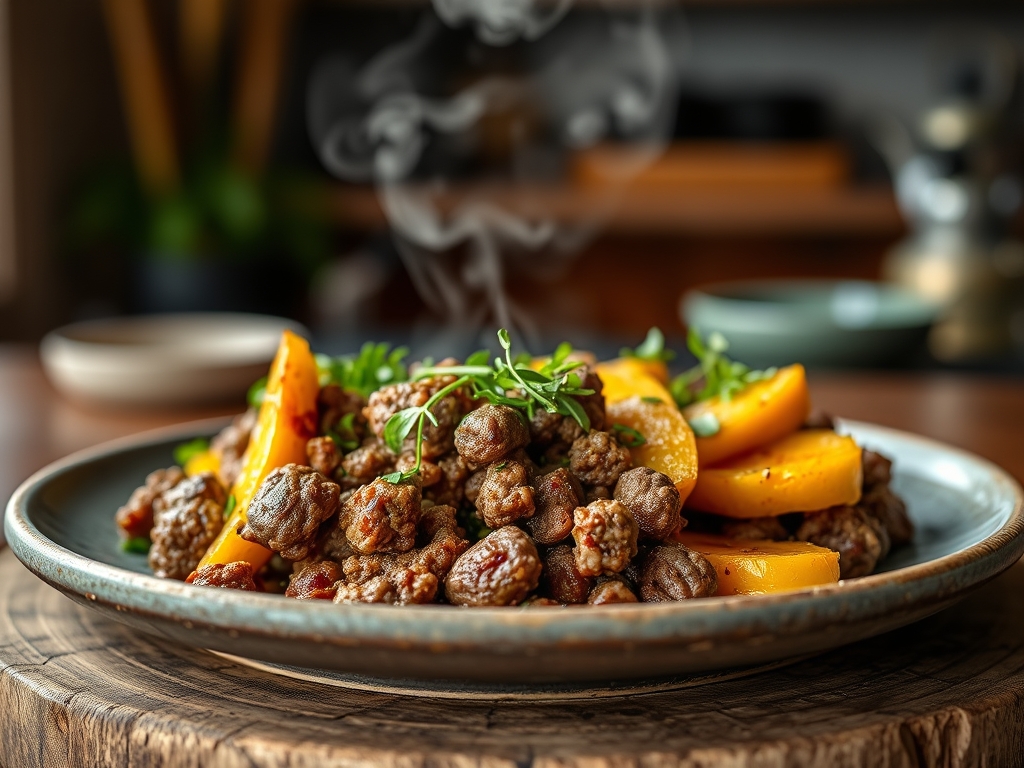
The sizzle of cold fat hitting a preheated heavy-bottomed skillet is the siren song of a home cook who knows exactly what she is doing. There is a primal satisfaction in watching protein transform into a deep, mahogany crust while the honeyed scent of roasting gourds fills the kitchen. Mastering squash and ground beef recipes is not just about filling a bowl; it is about the elegant collision of earthy sweetness and savory depth. We are moving beyond the basic skillet scramble into a territory where texture is king and every ingredient serves a structural purpose. Whether you are working with the buttery silk of a butternut or the fibrous, noodle-like strands of a spaghetti squash, the objective remains the same: a balanced, nutrient-dense masterpiece that feels like a warm hug from a very smart friend. Let us dive into the molecular magic that makes these two humble ingredients a powerhouse duo for your weeknight rotation.
The Gathers:
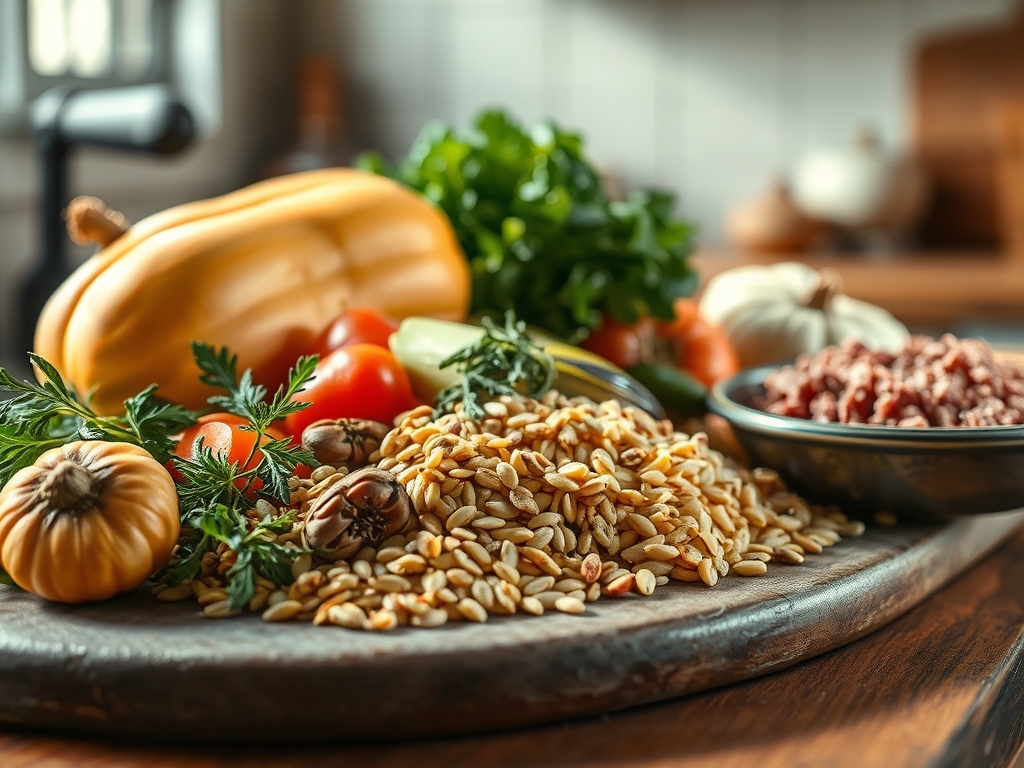
To execute these squash and ground beef recipes with precision, your mise-en-place must be impeccable. Start with your protein; look for an 80/20 blend of ground chuck. This specific ratio ensures enough fat to render and coat the squash flesh, preventing it from becoming arid during the roasting process. On your cutting board, you should have a variety of seasonal gourds. Delicata is the "lazy girl" favorite because its skin is thin and edible, while Acorn squash provides a natural, bowl-like vessel for stuffing.
You will need a sharp chef knife to navigate the dense cellular structure of the squash and a sturdy metal spoon to scrape out the fibrous pith and seeds. Do not toss those seeds; they contain healthy oils and can be toasted for a piquant garnish. For aromatics, keep yellow onions, fresh garlic, and perhaps a sprig of rosemary or sage nearby. Use a digital scale to ensure your ratios are consistent, especially if you are balancing the sweetness of the squash against acidic components like balsamic vinegar or crushed tomatoes.
Smart Substitutions: If you are looking to lighten the caloric load, swap the ground beef for ground bison or lean turkey, but add a teaspoon of olive oil to mimic the mouthfeel of beef fat. For those avoiding nightshades, replace the tomato base in a chili-style squash dish with a savory pumpkin puree infused with beef bone broth. If you find yourself without fresh squash, frozen cubed butternut works in a pinch, though you will sacrifice the crisp edges of fresh-cut produce.
The Clock: Timing Your Culinary Flow
Efficiency in the kitchen is about managing the "Chef's Flow." Most squash and ground beef recipes require approximately 15 minutes of active prep and 35 to 45 minutes of thermal application. The squash is almost always the "long pole in the tent." It requires a head start in the oven to soften its complex carbohydrates into simple sugars.
While the squash undergoes caramelization in a 400-degree Fahrenheit oven, you utilize that dead time to brown your beef. This staggered approach ensures that both components reach their peak texture simultaneously. If you try to cook them in the same pan from the start, you will likely end up with steamed, gray beef and crunchy, undercooked squash. Use a timer to track the squash, but use your nose to track the beef; when the aroma shifts from raw to nutty, you have achieved the perfect sear.
The Masterclass:
1. Prep the Vessel
Bisect your squash and remove the seeds using a heavy-duty spoon or a bench scraper to clean the edges. Brush the interior with a high-smoke-point oil like avocado oil.
Pro Tip: This prevents enzymatic browning and creates a barrier that allows the dry heat of the oven to penetrate the flesh without evaporating all the internal moisture.
2. The Maillard Sear
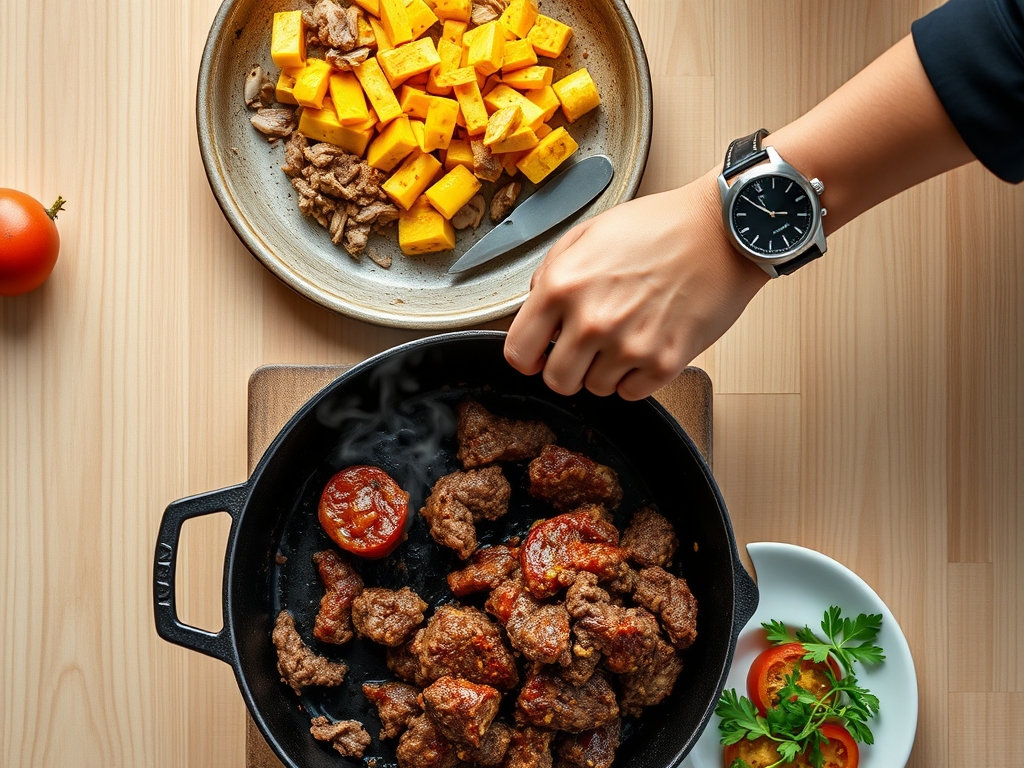
Heat your heavy-bottomed skillet until it is shimmering. Add the ground beef in a single layer and leave it untouched for three minutes.
Pro Tip: Resisting the urge to stir allows the Maillard reaction to occur, creating those brown, flavorful compounds that provide the savory backbone for the entire dish.
3. Deglaze and Infuse
Once the beef is browned, move it to the perimeter of the pan and add your aromatics to the center. Once the onions are translucent, pour in a splash of red wine or beef stock to deglaze the pan.
Pro Tip: This process lifts the "fond" (the stuck bits) from the bottom of the pan, incorporating concentrated flavor back into the meat.
4. The Marriage of Flavors
Toss the roasted squash cubes or the shredded spaghetti squash strands into the skillet with the beef mixture. Fold them gently using tongs to avoid breaking the delicate squash structure.
Pro Tip: This final toss allows the squash to absorb the viscous pan juices, ensuring every bite is infused with savory beef fat.
5. Resting and Carryover
Remove the dish from the heat and let it sit for five minutes before serving.
Pro Tip: Thermal carryover will continue to cook the squash slightly, softening any remaining firm bits while allowing the juices to redistribute so they do not run out onto the plate.
The Deep Dive:
From a nutritional standpoint, squash and ground beef recipes are a goldmine. You are getting high-quality heme iron and B12 from the beef, paired with the beta-carotene and fiber of the squash. It is a low-glycemic way to feel full without the heavy "carb crash" associated with pasta or white rice.
Dietary Swaps: To make this Keto-friendly, stick to zucchini or yellow summer squash, which have a lower sugar content than winter varieties. For a Vegan version, replace the beef with a mixture of crumbled tempeh and walnuts, using a dash of liquid smoke to replicate the depth of animal protein.
The Fix-It:
- Watery Squash: If your squash is weeping liquid, you likely salted it too early. Salt draws out moisture via osmosis. Fix it by roasting it at a higher temperature on a wire rack to increase airflow.
- Bland Beef: If the meat tastes flat, it needs acidity. A squeeze of lemon or a teaspoon of apple cider vinegar will brighten the fats and make the flavors pop.
- Burnt Bottoms: If the squash is browning too fast, move it to a lower rack in the oven and tent it with foil to trap steam and finish the interior.
Meal Prep: To maintain "day-one" quality, store the beef and squash in airtight glass containers. When reheating, avoid the microwave if possible. Instead, use a small skillet with a tablespoon of water or broth. Cover with a lid to create a steam chamber; this rehydrates the fibers of the meat and the squash without making them rubbery.
The Wrap-Up:
You are now officially equipped to turn a humble gourd and a package of beef into a gourmet experience. Remember that cooking is as much about chemistry as it is about heart. By respecting the sear of the meat and the natural sugars of the squash, you are creating a meal that is sophisticated yet deeply comforting. Go grab your microplane, zest some fresh parmesan over the top, and enjoy the fruits of your scientific labor. Your kitchen is your lab; make it delicious!
The Kitchen Table:
Can I use frozen squash for these recipes?
Yes, but do not thaw it first. Roast frozen squash directly from the freezer at high heat to prevent it from becoming mushy. This maintains the structural integrity of the vegetable cells during the heating process.
What is the best ground beef for squash?
An 80/20 or 85/15 lean-to-fat ratio is ideal. The rendered fat acts as a natural sauce for the squash, enhancing the fat-soluble vitamins like Vitamin A found in the orange flesh.
How do I prevent spaghetti squash from being watery?
Salt the raw squash and let it sit for 15 minutes, then pat dry before roasting. This removes excess moisture through osmosis, ensuring your "noodles" stay firm and al dente rather than soggy.
Can I cook the beef and squash together in one pan?
It is better to roast squash and sear beef separately. Squash requires dry, circulating heat to caramelize, while beef needs direct contact with a hot surface to develop a proper crust through the Maillard reaction.