
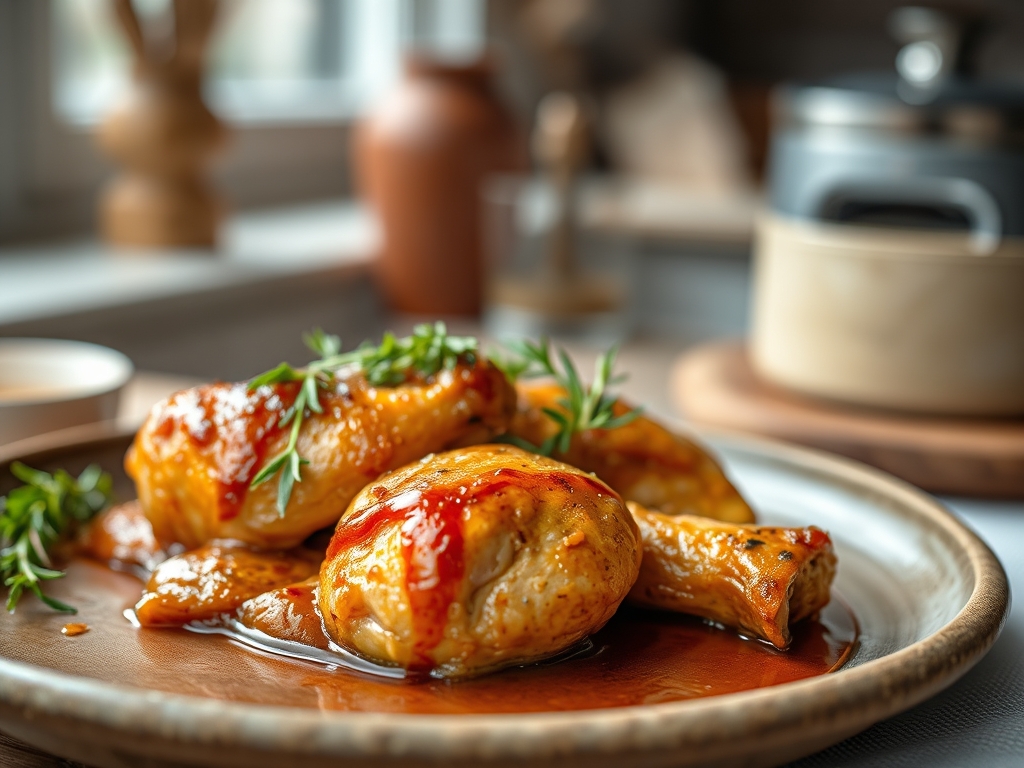
The moment you lift the lid on a properly braised crock pot chicken, you meet a wall of aromatic steam: caramelized onion sweetness, garlic turned mellow and almost nutty, and the unmistakable scent of collagen surrendering into silk. This is not boiled poultry. These are the best ever crock pot chicken recipes, built on slow, moist-heat physics that coax out layers of flavor impossible to achieve in a thirty-minute skillet rush. Each dish below represents a different flavor architecture, from sticky-sweet Asian glaze to herbaceous Mediterranean comfort, all engineered for maximum taste with minimal active labor. You will learn why high heat ruins slow-cooked chicken, how to layer aromatics for compound flavor release, and which cuts deliver fork-tender results without drying out. Whether you are meal-prepping for a week or feeding a last-minute crowd, these nine recipes transform humble chicken into restaurant-caliber centerpieces using nothing more than your countertop slow cooker.
The Gathers
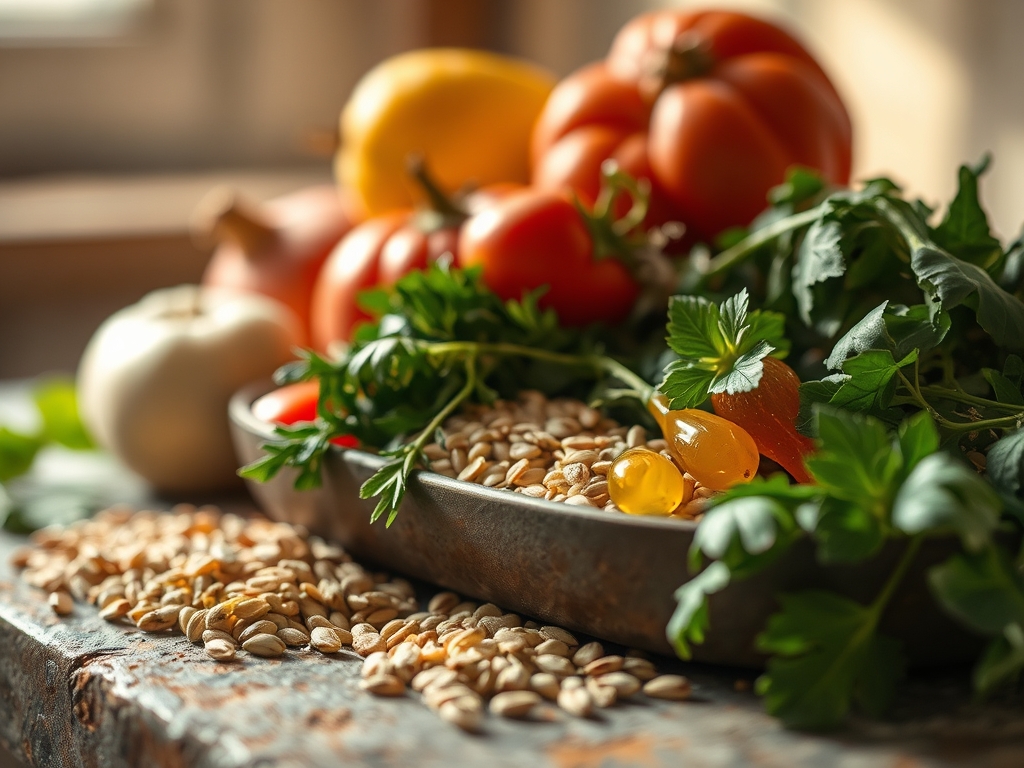
As you see in the ingredient spread below, the foundation begins with bone-in, skin-on chicken thighs (about 1.8 kg / 4 lbs). Thighs contain more intramuscular fat and connective tissue than breasts, meaning they resist overcooking and deliver deeper flavor as collagen hydrolyzes into gelatin. You will need yellow onions (two medium, sliced into half-moons), garlic cloves (eight, smashed but not minced), and low-sodium chicken stock (480 ml / 2 cups) to create the braising liquid. Fresh thyme sprigs (six) and bay leaves (two) provide aromatic backbone, while tomato paste (three tablespoons) adds umami depth and a touch of acidity to balance richness.
For the glaze or sauce finish, gather honey (60 ml / quarter cup), soy sauce (90 ml / six tablespoons), Dijon mustard (two tablespoons), and apple cider vinegar (30 ml / two tablespoons). A tablespoon of cornstarch slurried in cold water will become your thickening agent at the end.
Smart Substitutions: Swap thighs for drumsticks if you prefer even more forgiving meat. Replace honey with maple syrup or agave for different sugar profiles. Use coconut aminos instead of soy sauce for gluten-free and lower-sodium results. If fresh herbs are unavailable, substitute one teaspoon dried thyme per three sprigs fresh.
The Clock
Prep Time: 15 minutes
Cook Time: 6 hours on low (or 3.5 hours on high)
Total Time: 6 hours 15 minutes
Chef's Flow: Use your prep window to sear the chicken skin-side down in a hot skillet for three minutes per side. This Maillard browning, done before the crock pot, builds a flavor base that slow, wet heat alone cannot achieve. While the skillet cools, slice onions and smash garlic. Deglaze the skillet with a splash of stock to capture fond, then pour that liquid into the crock pot. This fifteen-minute investment pays compound interest over the long cook, layering roasted notes beneath the braise.
The Masterclass
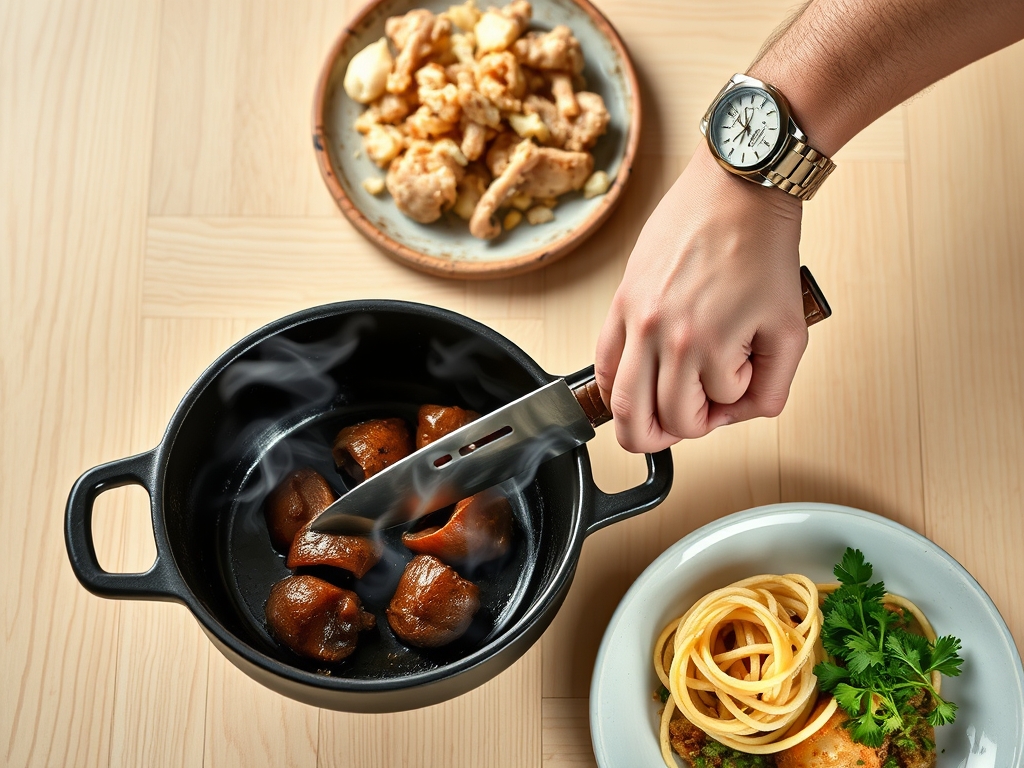
Step 1: Sear the Chicken
Heat a heavy skillet over medium-high (about 190°C / 375°F surface temp). Pat chicken thighs dry with paper towels, season with salt and black pepper, then lay skin-side down. Sear for three minutes without moving.
Chef's Secret: Moisture is the enemy of browning. Dry skin plus a hot, dry pan triggers the Maillard reaction, creating hundreds of new flavor compounds. Skipping this step results in pale, one-dimensional meat.
Step 2: Build the Aromatic Base
Transfer seared chicken to the crock pot, skin-side up. Add onion slices, smashed garlic, thyme sprigs, and bay leaves around and beneath the thighs.
Why It Works: Placing chicken on top of aromatics prevents direct contact with the ceramic base, reducing the risk of scorching and allowing even heat distribution through steam convection.
Step 3: Create the Braising Liquid
In a bowl, whisk together chicken stock, tomato paste, soy sauce, honey, Dijon, and vinegar until smooth. Pour over the chicken, aiming for the liquid to come halfway up the thighs, not submerge them.
Chef's Secret: Submerging poultry in liquid poaches it; half-submerging braises it. The exposed skin firms up slightly, while the submerged portion absorbs flavor and stays moist.
Step 4: Set and Forget
Cover and cook on low for six hours. Internal temperature should reach 88°C / 190°F, well above the safety threshold, allowing collagen to fully convert.
Why It Works: At 77°C / 170°F, collagen begins to denature. By 88°C / 190°F, it transforms into gelatin, giving you that pull-apart texture. High heat accelerates this but risks drying out the exterior.
Step 5: Reduce and Glaze
Remove chicken to a platter. Strain the braising liquid into a saucepan, discarding solids. Boil over high heat until reduced by half (about eight minutes). Whisk in the cornstarch slurry, simmer for two minutes until glossy.
Chef's Secret: Reduction concentrates flavor and evaporates excess water. The cornstarch slurry provides body without flour's raw taste, creating a sauce that clings to meat instead of pooling.
Step 6: Finish and Serve
Brush the reduced glaze over chicken thighs. Optional: broil for two minutes to caramelize the surface.
Why It Works: The broiler's radiant heat caramelizes sugars in the glaze, adding a final layer of complexity and textural contrast.
Nutritional Info
Per serving (one thigh with skin, plus two tablespoons sauce):
Calories: 420
Protein: 38 g
Fat: 22 g (saturated: 6 g)
Carbohydrates: 14 g (sugars: 10 g)
Fiber: 1 g
Sodium: 780 mg
The high protein content supports muscle maintenance, while moderate fat delivers satiety. Reduce sodium by using unsalted stock and low-sodium soy alternatives.
Dietary Swaps
Keto: Replace honey with erythritol or monk fruit sweetener. Use full-fat coconut milk instead of stock for added richness. Thicken with xanthan gum instead of cornstarch.
Gluten-Free: Verify that soy sauce is certified gluten-free or use tamari. Ensure stock and Dijon contain no wheat additives.
Vegan Pivot: Substitute chicken with king oyster mushrooms or jackfruit chunks. Replace stock with mushroom broth and add miso paste for umami. Cooking time drops to four hours on low.
Serving & Presentation
Rustic Family Style: Arrange thighs on a deep platter, pour glaze over, and scatter fresh thyme leaves. Serve with creamy polenta or mashed Yukon Golds to soak up sauce.
Elevated Plating: Slice each thigh into medallions, fan on the plate, drizzle reduced glaze in a zigzag, and garnish with microgreens and a lemon zest curl.
Bowl Build: Shred the meat, toss with glaze, and serve over jasmine rice with steamed bok choy, pickled radish, and toasted sesame seeds for an Asian-inspired grain bowl.
The Pro-Dodge
Problem: Rubbery, tough chicken after six hours.
Fix: You cooked on high instead of low, or your crock pot runs hot. Next time, use low setting and check at five hours. Invest in an inexpensive probe thermometer to monitor internal temp.
Problem: Watery, flavorless sauce.
Fix: You skipped the sear and the reduction. Always brown first and always reduce the braising liquid. If already cooked, strain liquid, boil hard for ten minutes, and re-glaze.
Problem: Skin turns slimy instead of crisp.
Fix: Slow cookers steam, not roast. After cooking, transfer chicken to a foil-lined baking sheet and broil skin-side up for three minutes. The radiant heat renders remaining fat and crisps the surface.
The Meal Prep Corner
Storage: Cool chicken and sauce separately. Store in airtight containers for up to four days in the refrigerator or three months in the freezer.
Reheating for Day-One Quality: Thaw overnight in the fridge if frozen. Place chicken in a baking dish, spoon sauce over, cover with foil, and reheat at 160°C / 325°F for twenty minutes. The foil traps steam, preventing dryness. Remove foil for the last five minutes to restore surface texture.
Batch Cooking: Double the recipe using a seven-quart crock pot. Layer chicken in two tiers, rotating halfway through for even cooking. Freeze individual portions in vacuum-sealed bags for quick weeknight dinners.
The Wrap-Up
You now hold nine blueprints for transforming chicken thighs into deeply flavored, fall-apart masterpieces using the most forgiving appliance in your kitchen. Each recipe leverages the science of slow, moist heat to break down collagen, concentrate flavors, and free up your schedule. Master the sear, respect the low setting, and always reduce your braising liquid. Your crock pot is not a compromise tool. It is a precision instrument for building layers of flavor while you focus elsewhere. Try one recipe this week, share your results, and tag us with your favorite variation. The best cooking happens when technique meets community.
The Kitchen Table
Can I use chicken breasts instead of thighs?
Yes, but reduce cook time to four hours on low. Breasts contain less fat and collagen, so they dry out faster. Consider brining them for thirty minutes in a 5% salt solution before cooking to improve moisture retention.
Why is my sauce too thin even after reducing?
Your braising liquid may have too much water content. Next time, use only 360 ml (1.5 cups) of stock. If already cooked, whisk in a cornstarch slurry (one tablespoon cornstarch to two tablespoons cold water) and simmer for two minutes.
Can I cook this on high to save time?
High setting works in 3.5 hours, but texture suffers slightly. Collagen converts faster, but moisture loss accelerates. If time-pressed, use high but check internal temp at three hours to avoid overcooking.
How do I prevent the garlic from burning?
Smash cloves but leave skins on, or nestle them beneath the chicken and onions. Garlic burns above 150°C / 300°F, but crock pot temperatures rarely exceed 100°C / 212°F, so burning is rare if cloves are submerged or shielded.
Can I add vegetables to the crock pot?
Root vegetables (carrots, potatoes, parsnips) work well if cut into large chunks and placed at the bottom. Avoid delicate greens or quick-cooking vegetables; add those in the last thirty minutes. Dense vegetables need the full cook time to soften.