
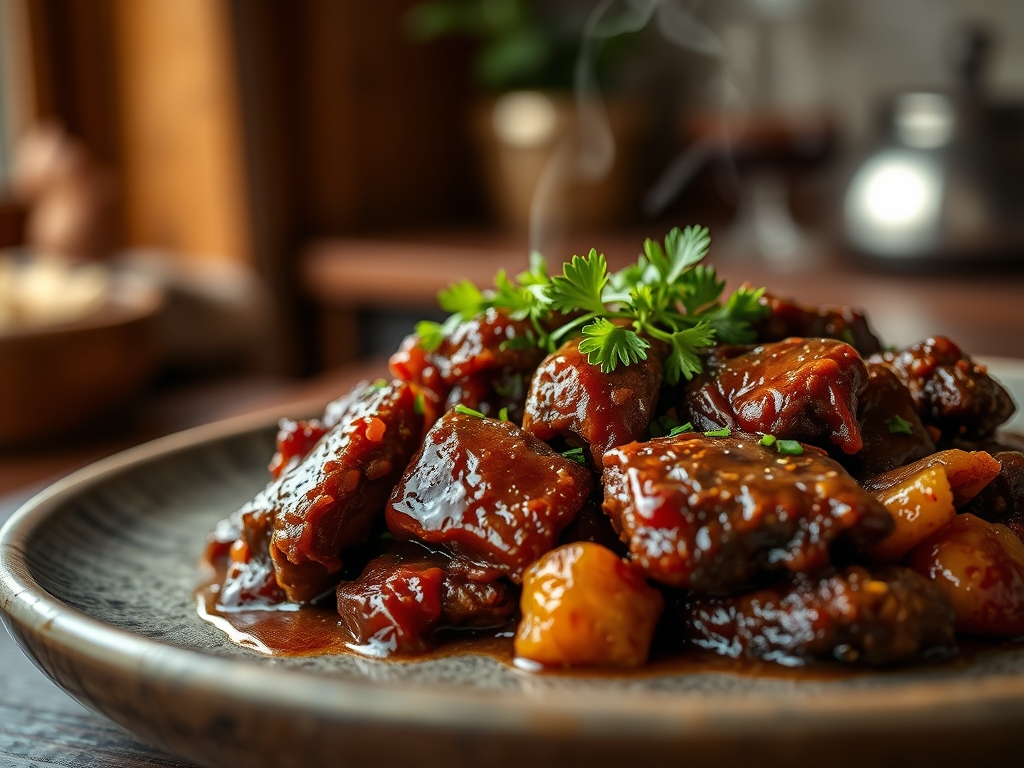
Imagine walking through your front door after a long day and being hit by a wall of smoky, sweet, and savory perfume. That is the magic of slow cooker bbq beef recipes; they transform a humble, tough hunk of protein into a fork-tender masterpiece while you are busy conquering the world. We are talking about beef that gives up the ghost at the mere suggestion of a fork, bathed in a sauce so viscous and rich it coats the back of a spoon like velvet.
The secret to a truly transcendent meal lies in the chemistry of the braise. When we lean into slow cooker bbq beef recipes, we are not just heating food; we are orchestrating a long-term thermal breakdown of collagen into gelatin. This process requires patience and a few scientific shortcuts to ensure your meat does not just become soft, but stays structurally succulent. Grab your favorite apron and clear some counter space. We are about to dive into the technical alchemy that turns a standard Tuesday dinner into a five-star culinary event.
The Gathers:
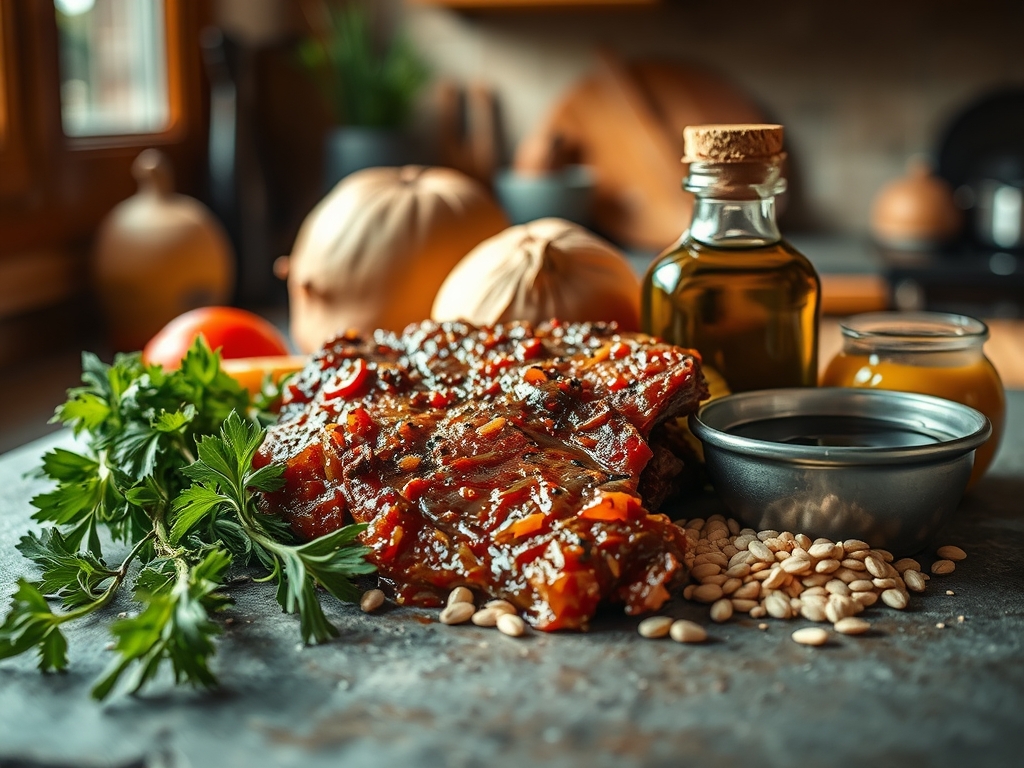
To begin, we must assemble our mise-en-place with precision. You will need a three to four pound chuck roast; this specific cut is prized for its intramuscular fat and connective tissue. Place it on your digital scale to ensure accurate seasoning ratios. For the aromatics, gather two large yellow onions, four cloves of garlic, and a thumb of ginger. You will also need your piquant elements: apple cider vinegar for acidity, Worcestershire sauce for umami depth, and a high-quality liquid smoke if you lack a backyard smoker.
For the dry rub, use a microplane to zest a bit of orange peel into a mixture of smoked paprika, dark brown sugar, mustard powder, and kosher salt. The sugar is vital; it aids in the Maillard reaction during the initial sear. If you are looking for smart substitutions, swap the brown sugar for coconut sugar or monk fruit sweetener for a lower glycemic index. If you find yourself out of beef stock, a splash of dry red wine or even a dark stout beer provides a complex, malty base that helps deglaze the pan and infuse the meat with incredible character.
The Clock
Efficiency in the kitchen is all about the "Chef's Flow." Your active prep time is a brisk twenty minutes. This includes the time to trim excess silver skin, season the beef, and perform a high-heat sear in a heavy-bottomed skillet. Once the beef is nestled into the ceramic insert of your slow cooker, the passive phase begins.
For the ultimate texture, set your device to "Low" for eight to ten hours. While the "High" setting can get the job done in five to six hours, the rapid temperature spike can cause muscle fibers to contract too quickly, squeezing out precious moisture before the collagen has a chance to melt. By choosing the long game, you allow the internal temperature to rise slowly and steadily. This ensures the finished product is moist rather than stringy. Plan to start your prep by 8:00 AM to have dinner hitting the table by 6:30 PM, allowing for a twenty-minute resting period.
The Masterclass
1. The Maillard Sear
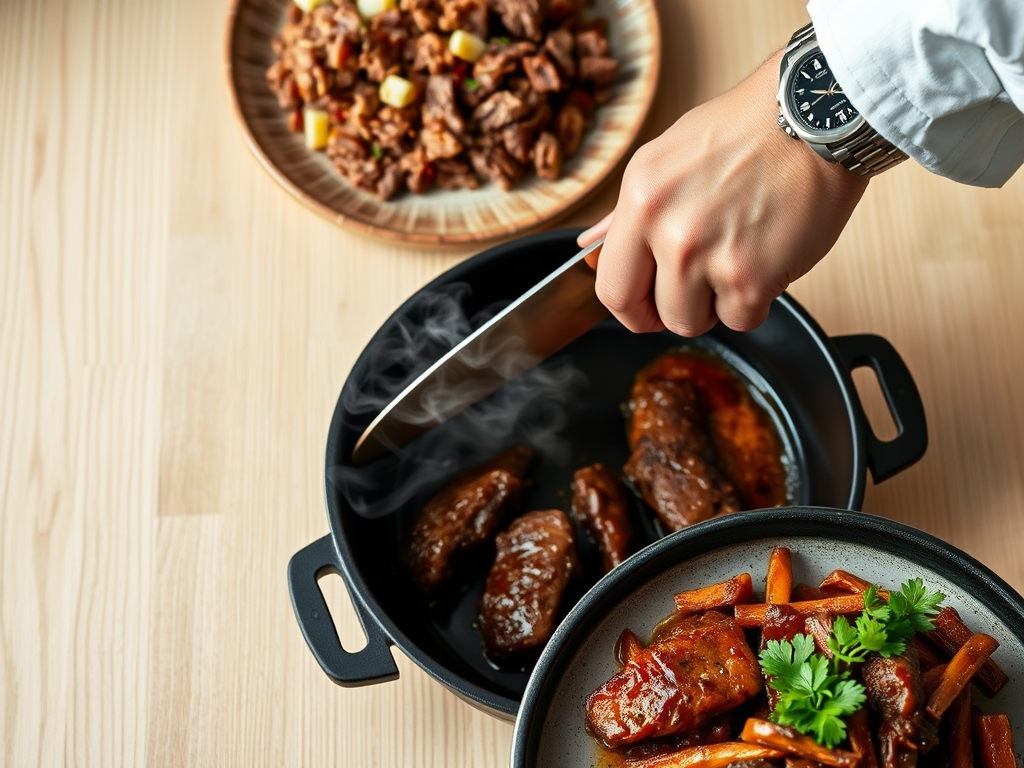
Pat the beef bone-dry with paper towels before seasoning. Heat a heavy-bottomed skillet with a high-smoke-point oil until it shimmers. Use heavy-duty tongs to press the beef into the pan, searing every side until a deep, dark crust forms.
Pro Tip: This is not just for color. The Maillard reaction is a chemical reaction between amino acids and reducing sugars that creates hundreds of different flavor compounds. Skipping this step results in a "boiled" flavor profile that lacks complexity.
2. Deglaze the Fond
After removing the beef, the bottom of your skillet will be covered in "fond," those delicious caramelized brown bits. Pour in a half cup of liquid (stock or wine) and use a wooden spoon to scrape the bottom.
Pro Tip: Deglazing captures the concentrated essence of the meat. This liquid acts as a flavor bridge, carrying the roasted notes from the pan directly into the slow cooker liquid.
3. Layering the Aromatics
Place your sliced onions at the very bottom of the slow cooker to act as a natural trivet. This prevents the bottom of the roast from scorching and allows the onions to confit in the rendering beef fat.
Pro Tip: Onions contain natural sugars that undergo enzymatic browning even at lower temperatures. Placing them at the bottom ensures they soften into a jam-like consistency that thickens your final sauce.
4. The Low and Slow Braise
Pour your BBQ sauce mixture over the beef, ensuring it is partially submerged but not drowning. The goal is a braise, not a soup. Cover the lid tightly and resist the urge to peek.
Pro Tip: Every time you lift the lid, you lose significant heat and moisture. This can add twenty minutes to your cook time and disrupt the steady thermal breakdown of the connective tissues.
5. The Rest and Shred
Once the timer dings, use your tongs to transfer the beef to a rimmed baking sheet. Let it rest for at least fifteen minutes before using two forks or a bench scraper to shred the meat.
Pro Tip: Resting allows for carryover cooking and lets the muscle fibers reabsorb the internal juices. If you shred it immediately, the steam escapes and the meat dries out instantly.
6. Sauce Reduction
While the meat rests, pour the remaining liquid into a saucier. Simmer it over medium-high heat until it reduces by half and becomes glossy.
Pro Tip: Reducing the liquid concentrates the flavors and creates a natural emulsion. The gelatin rendered from the beef acts as a thickener, giving the sauce a professional, silky mouthfeel.
7. The Final Marriage
Toss the shredded beef back into the reduced sauce. Taste and adjust with a final squeeze of lime or a pinch of salt to brighten the heavy flavors.
Pro Tip: This final step ensures every strand of beef is encapsulated in a protective layer of sauce. It prevents oxidation and keeps the meat succulent until the moment it hits the bun.
The Deep Dive
From a nutritional standpoint, this dish is a protein powerhouse. A standard six-ounce serving provides roughly 40 grams of protein and is rich in zinc and B12. To make this Keto-friendly, simply ensure your BBQ sauce is sugar-free and serve it over cauliflower rice. For a Gluten-Free version, double-check that your Worcestershire sauce and liquid smoke are certified.
If you encounter the "tough meat" pitfall, it usually means the beef needed more time; simply put it back in for another hour. If the sauce is too thin, whisk in a small cornstarch slurry. If the flavor is flat, add a teaspoon of apple cider vinegar to provide a necessary acidic lift. For meal prep, store the beef in its sauce in airtight containers. When reheating, use a gentle simmer on the stove rather than the microwave to avoid "rubbery" proteins; this preserves the "day-one" quality beautifully.
The Wrap-Up
Mastering slow cooker bbq beef recipes is like having a secret superpower in your culinary arsenal. By understanding the science of the sear, the patience of the braise, and the art of the reduction, you have elevated a simple meal into something truly extraordinary. Whether you are piling it onto toasted brioche buns or serving it over creamy polenta, this beef is guaranteed to be the star of the show. Now, go forth and let that slow cooker do the heavy lifting while you take all the credit!
The Kitchen Table
What is the best cut for slow cooker BBQ beef?
The beef chuck roast is the undisputed champion. Its high collagen and fat content break down over several hours; this creates a self-basting environment that results in incredibly moist, shredded meat that leaner cuts like sirloin simply cannot match.
Can I put frozen beef in the slow cooker?
It is not recommended for safety reasons. A slow cooker takes too long to bring frozen meat out of the "danger zone" (40 to 140 degrees Fahrenheit); this allows bacteria to multiply. Always thaw your beef completely in the refrigerator first.
Why is my slow cooker beef tough?
If the meat is tough, it likely hasn't cooked long enough. Connective tissue only melts into gelatin after several hours at a steady heat. Give it another hour on low and check the texture again; it should eventually give way.
Do I need to add water to the slow cooker?
No, you do not need much added water. The beef and onions will release a significant amount of liquid as they cook. Rely on your BBQ sauce and a small splash of stock or wine to provide the necessary braising base.