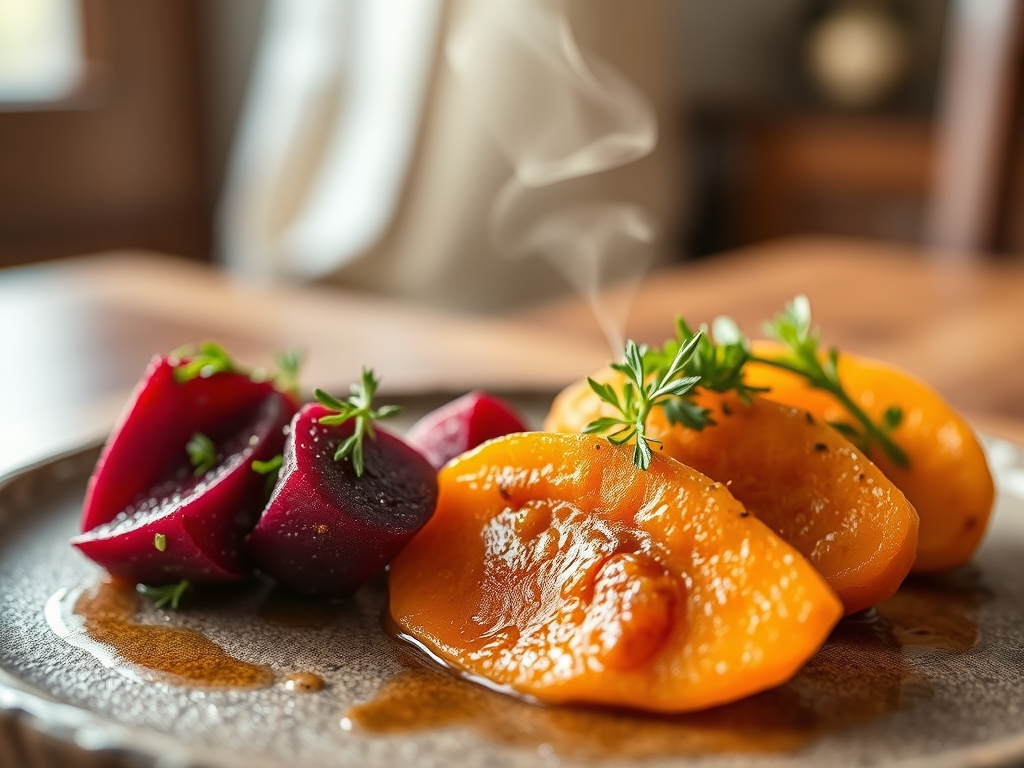
Imagine the scent of caramelized sugars drifting through your kitchen as deep ruby juices mingle with golden, velvety starches. Finding the perfect balance in beets and sweet potato recipes is less about luck and more about mastering the alchemy of root vegetables. We are talking about a marriage of earthy geosmin and creamy maltose that transforms humble tubers into a vibrant, high-performance feast.
Whether you are looking for a silky puree that holds its shape on a plate or a crisp, charred roast that shatters under the fork; these two ingredients are your culinary playground. Beets offer a robust, almost mineral depth, while sweet potatoes provide the smooth, beta-carotene-rich foundation that rounds out the palate. Together, they create a visual and nutritional powerhouse that feels like a warm hug but tastes like a five-star bistro side dish.
In this guide, we are diving deep into the molecular magic of these roots. We will explore how to manipulate heat to unlock hidden sweetness and how to use acidity to keep those colors popping. Grab your favorite apron and let's get into the grit of it.
The Gathers:
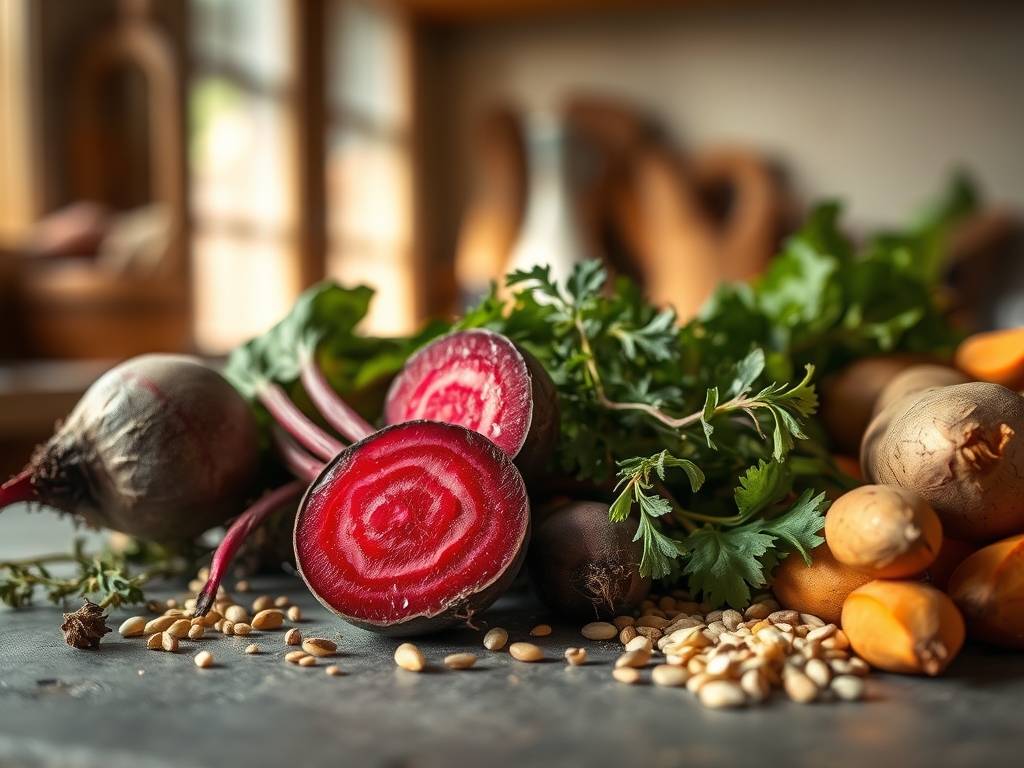
To execute these beets and sweet potato recipes with precision, your mise-en-place must be impeccable. Start with firm, heavy-for-their-size red or golden beets. You want roots that feel dense; this indicates high water content, which prevents them from becoming woody during roasting. For the sweet potatoes, look for the Jewel or Garnet varieties; their high moisture content ensures a viscous interior after the starch-to-sugar conversion.
You will need a sharp chef's knife and a bench scraper to move your uniform cubes without bruising the cell walls. A digital scale is essential here because the ratio of sugar to fiber varies by weight, not volume. Have your fats ready: a high-smoke-point oil like avocado oil for the initial roast, and cold, unsalted butter or a high-quality tahini for the finishing emulsification.
Smart Substitutions: If you find beets too "earthy," swap half the volume for parsnips to maintain the sweetness while lightening the flavor profile. If you are out of sweet potatoes, butternut squash provides a similar glycemic load and texture. For a piquant kick, always have fresh ginger or zest from a microplane on hand to cut through the density of the starch.
The Clock
Efficiency in the kitchen is all about the "Chef's Flow." For most beets and sweet potato recipes, you are looking at a 15-minute prep window followed by 35 to 45 minutes of active thermal processing. The flow begins with the beets; because they are denser and contain more complex cellulose, they require a head start or a smaller dice than the potatoes.
By staggering your entry into the oven or the saucier, you ensure that both vegetables reach the "fork-tender" stage simultaneously. Use the roasting time to prepare your garnishes or a bright vinaigrette. This prevents the "dead air" in cooking where you are waiting on the timer while your kitchen stays messy.
The Masterclass
1. The Uniform Dice
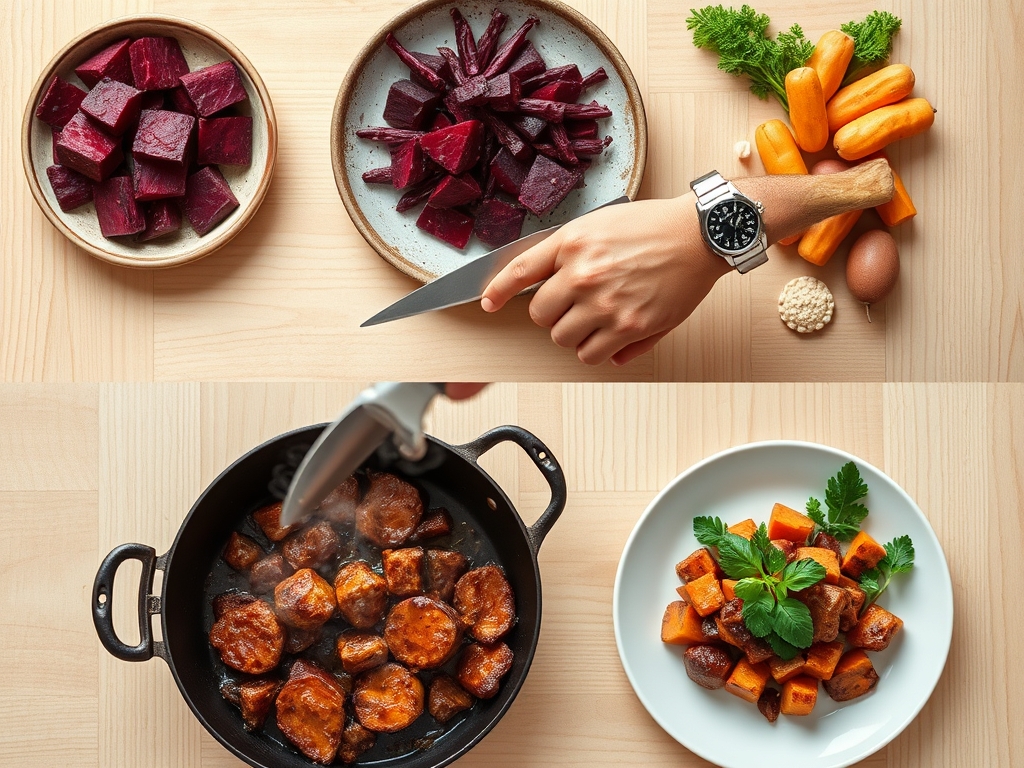
Use your chef's knife to create consistent 1-inch cubes. Uniformity is not just for aesthetics; it ensures an even rate of heat penetration. If pieces vary in size, the small ones will carbonize before the large ones render their starches.
Pro Tip: This prevents "hot spots" in the pan and ensures the Maillard reaction occurs evenly across the entire batch rather than just on a few outliers.
2. The Oil Coating and Aeration
Toss your roots in a large bowl with your fat of choice. You want a thin, glistening sheen, not a puddle. Use tongs to lift and drop the vegetables, which helps aerate the mixture and ensures every millimeter of surface area is coated.
Pro Tip: Oil acts as a heat conductor; without a complete coating, the dry air of the oven will dehydrate the skin before the interior sugars can caramelize.
3. High-Heat Roasting
Spread the vegetables on a heavy-bottomed baking sheet. Do not crowd the pan. If the pieces are touching, they will steam instead of roast, leading to a mushy texture rather than a crisp exterior.
Pro Tip: Leave at least half an inch of space between pieces to allow moisture to escape as steam, which facilitates the crisping of the outer pectin layer.
4. The Deglaze and Toss
Halfway through the cooking process, use a metal spatula to flip the roots. If you are pan-searing, this is when you might deglaze with a splash of apple cider vinegar or citrus juice to lift the browned bits (fond) from the bottom.
Pro Tip: This acidity prevents the beets from turning a dull brown by stabilizing the betalain pigments through a shift in pH levels.
5. The Rest and Carryover
Remove the tray when the vegetables are just slightly resistant to a fork. Move them to a cooling rack or a room-temperature bowl immediately.
Pro Tip: Thermal carryover will continue to cook the interior for another 3 to 5 minutes; pulling them early prevents the sweet potatoes from collapsing into a mash.
The Deep Dive
When we look at the macro nutrition of beets and sweet potato recipes, we are looking at a fiber goldmine. A single serving provides nearly 40 percent of your daily Vitamin A and a significant hit of potassium. Because these are complex carbohydrates, they provide sustained energy without the insulin spike associated with refined grains.
For dietary swaps, these recipes are naturally gluten-free. To make them vegan, replace butter with a cold-pressed nut oil or coconut manna. If you are leaning toward a keto-friendly version, increase the ratio of beets and add roasted pecans to bump up the healthy fats while keeping the net carbs in check.
The Fix-It:
- The Soggy Bottom: If your vegetables are limp, your oven temperature was likely too low. Fix it by cranking the heat to 425 degrees Fahrenheit for the last five minutes.
- The Bleed: If the beet juice is staining everything pink, roast the beets in a separate foil packet before tossing them with the potatoes at the very end.
- The Bitter Bite: If the beets taste like dirt, you likely didn't peel them deeply enough. A quick toss in honey or maple syrup can neutralize those earthy pyrazines.
For meal prep, reheating is a science. Avoid the microwave, which turns starches gummy. Instead, use a heavy-bottomed skillet over medium heat with a teaspoon of water and a lid. This creates a mini-steamer that refreshes the moisture before the dry heat recrisps the edges.
The Wrap-Up
Mastering beets and sweet potato recipes is like learning a new language where the vocabulary is flavor and the grammar is technique. By understanding how heat interacts with these root stars, you turn a simple side dish into the highlight of the meal. Remember to respect the dice, embrace the acidity, and never crowd your pan. Your kitchen is now a laboratory of vibrant color and deep, caramelized satisfaction. Go forth and roast with confidence.
The Kitchen Table
Can I roast beets and sweet potatoes on the same tray?
Yes, but dice the beets slightly smaller than the sweet potatoes. Beets are denser and take longer to soften. A smaller cut ensures both vegetables reach perfect tenderness at the exact same time.
How do I stop beets from staining my hands?
Rub a small amount of vegetable oil on your hands before handling, or wear food-safe gloves. If staining occurs, use a mixture of lemon juice and salt to gently scrub the pigment off your skin.
Why are my roasted sweet potatoes mushy?
Mushiness usually results from overcrowding the pan or using too much oil. When vegetables are too close, they trap steam. Space them out on a large baking sheet to allow moisture to evaporate quickly.
What is the best way to store leftovers?
Store in an airtight glass container for up to four days. To maintain texture, reheat in an air fryer or oven at 350 degrees Fahrenheit rather than using a microwave, which can make them rubbery.