
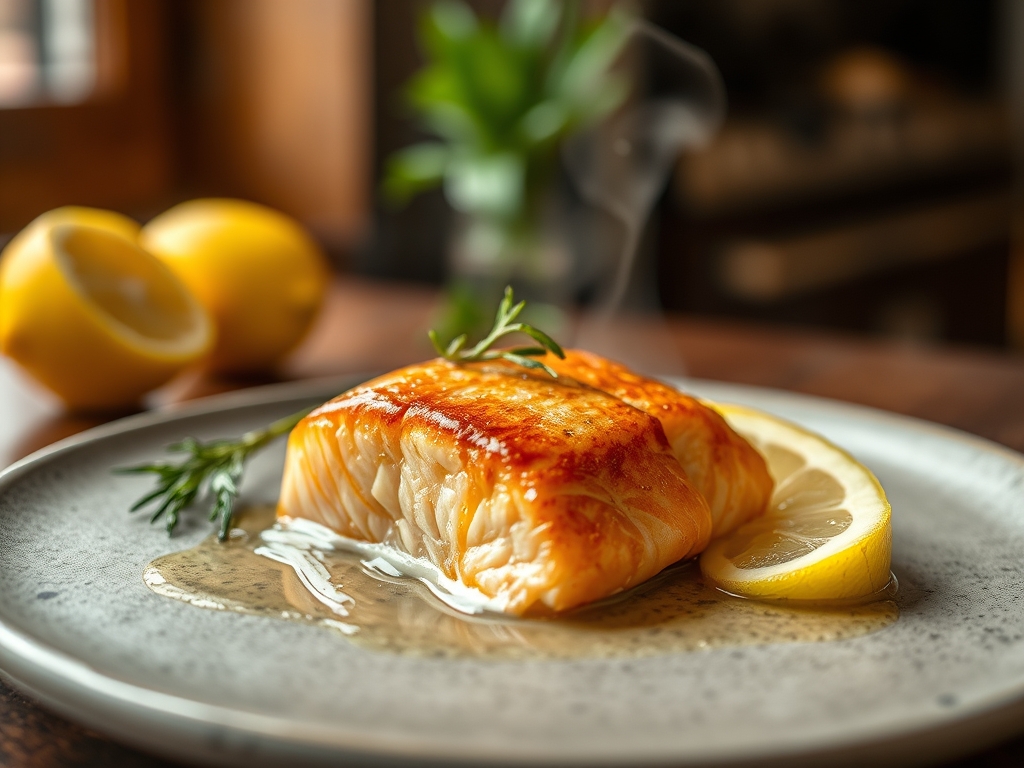
Picture a heavy-bottomed skillet resting on a low flame while the scent of caramelizing sugars begins to dance through your kitchen. There is a specific, almost magical alchemy that occurs when the piquant acidity of citrus meets the viscous, floral depth of honey. If you have been searching for the ultimate honey lemon salmon recipes to elevate your weeknight rotation, you have arrived at the right place. We are moving past basic seasoning and diving into the molecular mechanics of the perfect sear. Salmon is a fatty, cold-water fish that requires a delicate balance of heat and acid to cut through its richness. By understanding how these ingredients interact with the proteins in the fish, you can transform a simple fillet into a restaurant-quality centerpiece. We will explore nine distinct pairings that range from herbaceous garden blends to spicy, heat-forward glazes. Each variation relies on the same fundamental principles of flavor balancing. Whether you prefer a crisp skin or a butter-poached texture, these honey lemon salmon recipes offer a masterclass in modern home cooking. Let us get your apron on and your pans prepped.
The Gathers:
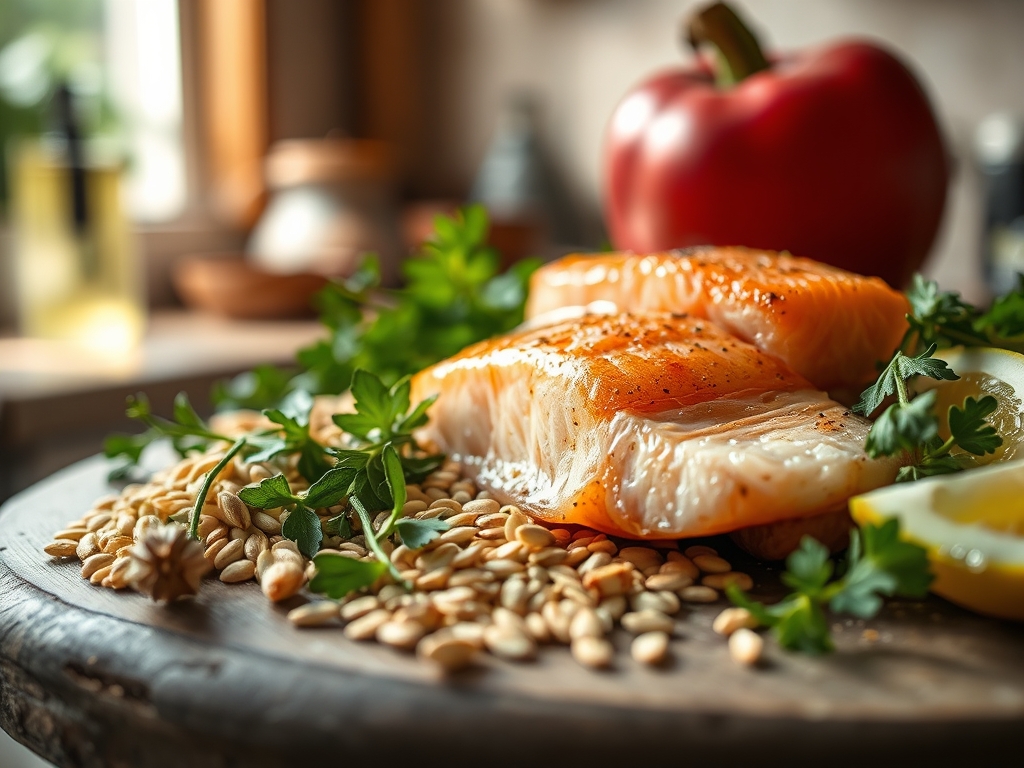
The secret to a flawless dish lies in the mise-en-place. For our core honey lemon salmon recipes, you will need high-quality Atlantic or Sockeye fillets. Ensure they are patted bone-dry with a paper towel to prevent steaming. You will also need a microplane for harvesting zest without the bitter white pith. Your pantry should yield raw clover honey for its neutral sweetness and fresh, heavy lemons that feel weighted for their size, indicating a high juice yield.
For the fat component, reach for unsalted European-style butter or a high-smoke-point oil like avocado oil. To add depth, gather fresh thyme, minced garlic, and flaky sea salt. If you need smart substitutions, swap honey for agave nectar or maple syrup if you prefer a lower glycemic index or a woodier flavor profile. If lemons are unavailable, a splash of white wine vinegar or verjus can provide the necessary acidity to balance the lipids in the fish. Always use a digital scale to measure your glaze ingredients if you want consistent, repeatable results every single time.
The Clock
Efficiency in the kitchen is about the Chef's Flow. This is the art of overlapping tasks so that nothing sits idle for too long. For these honey lemon salmon recipes, expect a total commitment of twenty-five minutes. Your prep time will take roughly ten minutes; this includes zesting, juicing, and portioning your fillets using a sharp bench scraper or chef's knife.
The cooking phase is a swift ten to twelve minutes. The "flow" dictates that you should prepare your side dishes, such as blanched asparagus or quinoa, while the skillet preheats. Salmon cooks rapidly, and the window between translucent and overdone is narrow. By having your glaze whisked and your garnishes chopped before the fish even touches the pan, you ensure that the salmon is the final element to finish, allowing it to be served at the peak of its thermal glory.
The Masterclass
1. Tempering and Seasoning
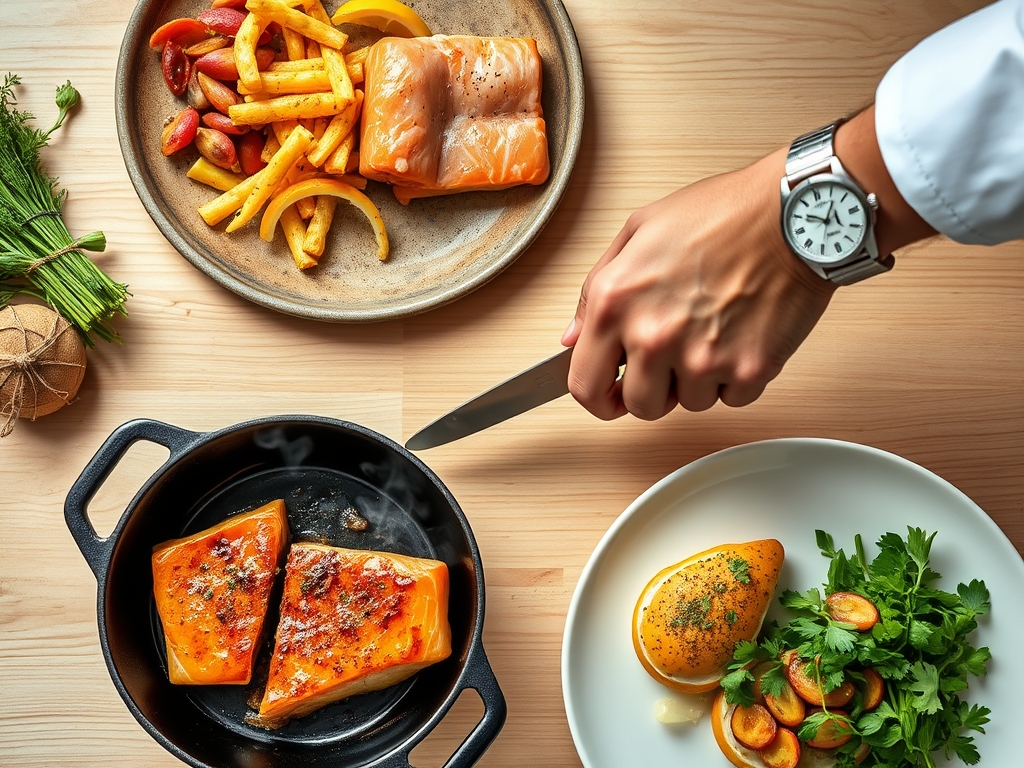
Remove your salmon from the refrigerator fifteen minutes before cooking. Season generously with kosher salt and cracked black pepper. Note the vibrant color of the flesh in the step-by-step photos below; this indicates freshness and high astaxanthin content.
Pro Tip: This process prevents thermal shock. If cold fish hits a hot pan, the muscle fibers contract violently, squeezing out moisture and leaving you with a dry, tough fillet.
2. The High-Heat Sear
Heat your heavy-bottomed skillet until a drop of water dances and evaporates instantly. Add your oil and place the salmon skin-side down. Press firmly with a fish spatula for thirty seconds to ensure even contact.
Pro Tip: This initiates the Maillard reaction. This chemical reaction between amino acids and reducing sugars creates the savory, browned crust that defines a professional sear.
3. Emulsifying the Glaze
Once the salmon is flipped, reduce the heat to medium. Add your honey, lemon juice, and cold butter cubes to the pan. Use a small saucier or spoon to continuously baste the fish as the sauce thickens and becomes glossy.
Pro Tip: This is an emulsification. The cold butter contains milk solids that bind with the lemon juice and honey, creating a stable, velvety coating rather than a broken, greasy mess.
4. The Rest and Carryover
Remove the salmon when the internal temperature reaches 125 degrees Fahrenheit. Place it on a warm plate and pour the remaining pan sauce over the top. Let it sit for three minutes before serving.
Pro Tip: This accounts for thermal carryover. The residual heat trapped in the dense muscle fibers will continue to cook the fish, bringing it to a perfect 135 degrees Fahrenheit while it rests.
The Deep Dive
From a macro nutrition perspective, these honey lemon salmon recipes are powerhouses. A standard six-ounce serving provides roughly 34 grams of high-quality protein and is rich in Omega-3 fatty acids, which are essential for brain health. The honey adds about 15 grams of carbohydrates per serving, primarily in the form of glucose and fructose.
For dietary swaps, those on a Keto protocol should replace honey with a monk fruit-based liquid sweetener. Vegan guests can enjoy the same glaze over a firm block of pressed tofu or a "steak" of roasted cauliflower. If you are Gluten-Free, ensure your spices are certified, though the core ingredients are naturally safe.
The Fix-It: Common Pitfalls
- The Skin Sticks: This usually happens because the pan was not hot enough or the fish was moved too early. Fix it by letting the fish "release" naturally once the proteins have fully denatured.
- The Honey Burns: Honey has a low smoke point. If your glaze turns black, you have exceeded 320 degrees Fahrenheit. Fix it by adding a tablespoon of water or broth to lower the temperature immediately.
- Albumin Leakage: That white goo appearing on the fish is albumin. It happens when salmon is cooked too fast at too high a temperature. Fix it by lowering your heat and pulling the fish off the burner sooner.
For Meal Prep, reheating salmon can be tricky. To maintain "day-one" quality, avoid the microwave. Instead, place the fillet in a covered dish with a splash of water and heat in a 275-degree oven for eight minutes. This gentle steam prevents the fats from oxidizing and becoming "fishy."
The Wrap-Up
Mastering honey lemon salmon recipes is less about following a strict script and more about understanding the harmony of flavor. You now have the technical knowledge to sear with confidence, emulsify with precision, and troubleshoot like a pro. Whether you are hosting a formal dinner or just treating yourself after a long day, these nine pairings offer a sophisticated, nutrient-dense solution. Remember that the best cooking comes from a place of curiosity; do not be afraid to adjust the lemon-to-honey ratio to suit your specific palate. Now, grab those tongs and let the skillet sing.
The Kitchen Table
How do I get the skin extra crispy?
Pat the skin completely dry and start in a cold pan with a small amount of oil. Gradually increase the heat to medium-high. This allows the fat to render slowly, resulting in a glass-like, crunchy texture.
Can I use bottled lemon juice?
Fresh is always superior. Bottled juice often contains preservatives like sodium benzoate which can alter the flavor profile. Fresh lemons provide essential oils from the zest that add a vibrant, aromatic dimension bottled versions lack.
What is the best way to tell if salmon is done?
Use a digital thermometer to check for an internal temperature of 130 to 135 degrees Fahrenheit. Alternatively, press the top of the fillet gently; if the flakes begin to separate or "give," it is perfectly cooked.
Why does my honey lemon sauce separate?
Separation occurs when the fat and acid do not bind. To fix this, whisk in a teaspoon of cold butter or a tiny bit of Dijon mustard. The mustard acts as a natural stabilizer to pull the emulsion back together.