
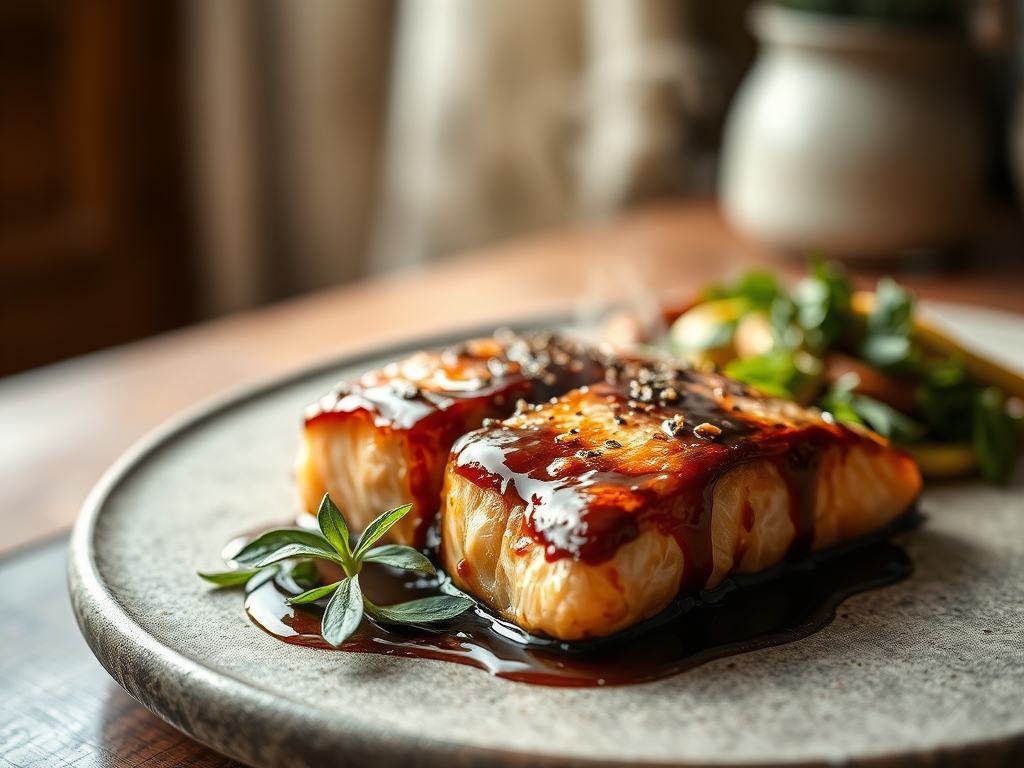
Imagine the hiss of a heavy-bottomed skillet as cold protein meets a shimmering layer of oil. Within seconds, the kitchen fills with the scent of wood-aged vinegar and caramelizing sugars. This is the magic of balsamic glazed salmon recipes; a culinary intersection where acidic brightness meets the rich, buttery lipids of cold-water fish. It is the ultimate weeknight flex for the home cook who wants five-star results without the five-star labor.
The secret to a perfect glaze lies in the reduction. We are not just pouring liquid over fish; we are creating a viscous, mahogany coating that clings to every flake. When you master the balance of sweetness and tang, you unlock a flavor profile that feels both sophisticated and deeply comforting. Whether you are hosting a dinner party or meal prepping for a high-octane week, these recipes provide a reliable template for excellence. Let us dive into the chemistry of the perfect sear and the velvet texture of a true reduction.
The Gathers:
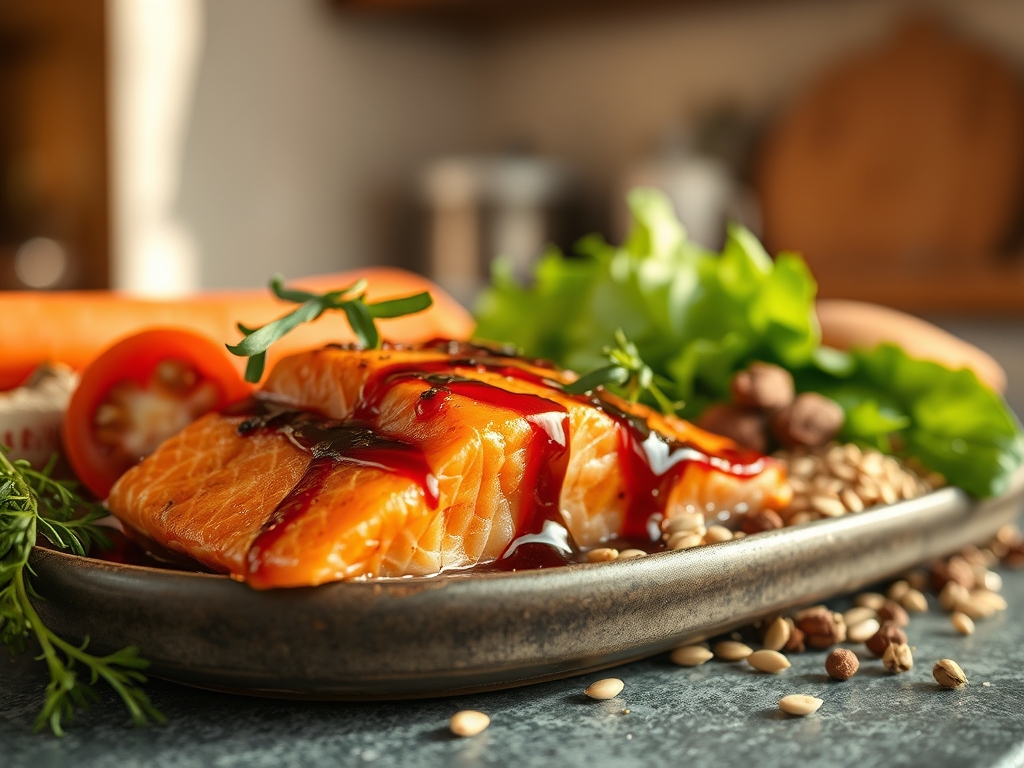
To execute these balsamic glazed salmon recipes with precision, your mise-en-place must be flawless. Start with six-ounce center-cut fillets. Look for vibrant color and firm flesh; this indicates high myoglobin levels and structural integrity. You will need a high-quality balsamic vinegar of Modena. Check the label for "Must" as the first ingredient to ensure a thick, piquant base rather than a thin, watery imitation.
For the glaze, gather honey or maple syrup to provide the glucose necessary for the Maillard reaction. Fresh garlic and ginger should be processed with a microplane to create a fine paste that infuses the liquid without burning. You will also need a high-smoke-point fat, such as avocado oil or clarified butter, to facilitate a hard sear.
Smart Substitutions:
If you are avoiding refined sugars, use a reduction of pomegranate juice for a similar tart-sweet profile. For those with a soy allergy, coconut aminos offer the same umami depth as soy sauce without the legumes. If fresh salmon is unavailable, steelhead trout is an excellent biological stand-in due to its similar fat content and flake structure.
The Clock
Efficiency in the kitchen is about "Chef's Flow." This means aligning your tasks so that no heat is wasted. Prep time for these balsamic glazed salmon recipes is roughly 10 minutes, primarily focused on whisking the glaze and patting the fish dry. Cooking takes a mere 8 to 12 minutes depending on the thickness of the fillets.
The flow works like this: start your glaze reduction in a small saucier while the skillet preheats. By the time the vinegar has thickened to a nappe consistency (meaning it coats the back of a spoon), your pan is at the perfect temperature for searing. Total time from pantry to plate is under 25 minutes.
The Masterclass
1. The Desiccation Phase
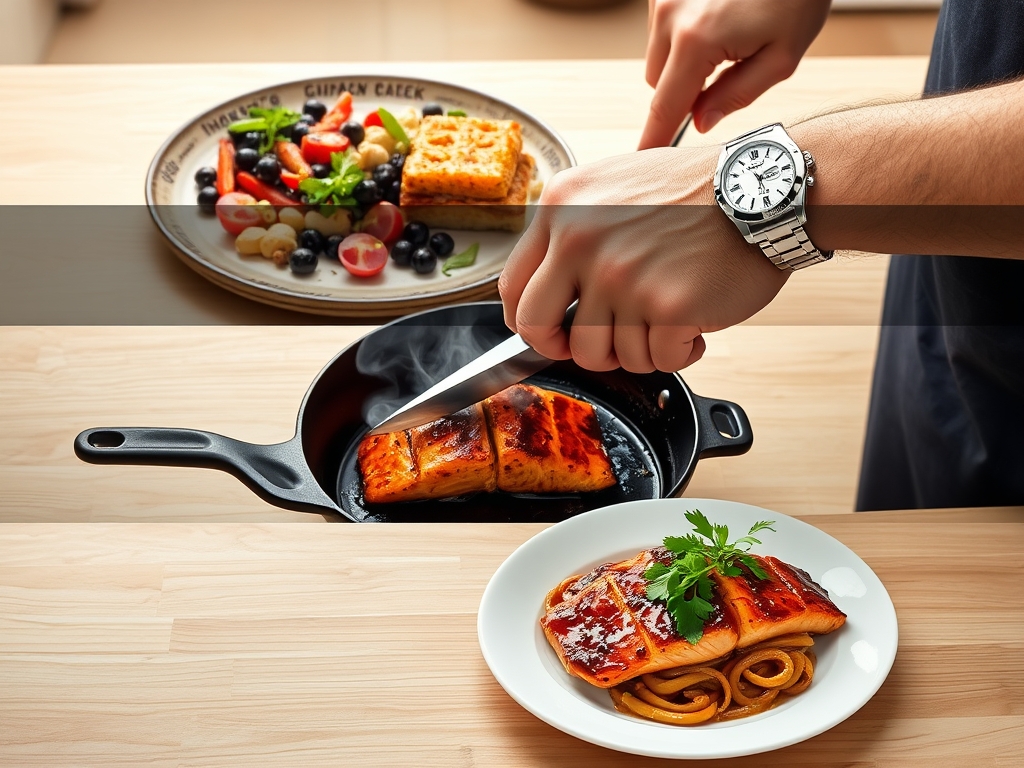
Use a paper towel to remove every trace of surface moisture from the skin and flesh. Use a bench scraper to move the fillets to a dry cutting board.
Pro Tip: Moisture is the enemy of the sear. When water hits hot oil, it turns to steam, which prevents the surface temperature from rising high enough to trigger enzymatic browning. Dry fish equals a crispy crust.
2. The Temperature Spike
Heat your heavy-bottomed skillet over medium-high heat. Add your oil and wait for it to shimmer and reach its smoke point before introducing the fish.
Pro Tip: This prevents the fish from sticking. The Leidenfrost effect creates a tiny vapor barrier between the fish and the metal, allowing for a clean flip with your fish spatula.
3. The Sear and Render
Place the salmon skin-side down. Press firmly with a weight or your tongs for the first 30 seconds to prevent the protein fibers from curling.
Pro Tip: Skin-down cooking renders the subcutaneous fat, which acts as a self-basting mechanism for the delicate flesh above. This protects the protein from toughening.
4. The Glaze Application
Flip the fish and immediately pour your balsamic reduction into the pan. Use a spoon to continuously baste the fillets as the liquid bubbles.
Pro Tip: This is called "arroser." The hot glaze creates a concentrated flavor shell while the residual heat finishes the interior through thermal carryover.
5. The Resting Period
Remove the fish from the heat when the internal temperature hits 125 degrees Fahrenheit. Let it rest on a warm plate for three minutes.
Pro Tip: Resting allows the muscle fibers to relax and reabsorb the juices. If you cut into it immediately, the moisture will purge, leaving the fish dry.
The Deep Dive
Macro Nutrition:
Salmon is a powerhouse of Omega-3 fatty acids, specifically EPA and DHA, which support brain health. A standard serving provides approximately 34 grams of high-quality protein and zero fiber. The balsamic glaze adds roughly 8 to 12 grams of carbohydrates, depending on your choice of sweetener.
Dietary Swaps:
For a Keto-friendly version, replace the honey with an allulose-based syrup; it browns similarly without the glycemic spike. For a Vegan "salmon" alternative, use thick slabs of roasted cauliflower or firm tofu, pressing them heavily before glazing to mimic the dense texture of fish.
The Fix-It:
- The Glaze is Too Thin: Continue to simmer in a saucier until it coats a spoon. Do not add cornstarch; it dulls the flavor.
- The Fish is Sticking: You likely tried to flip it too early. The fish will naturally release from the pan once the crust has fully formed.
- The Garlic is Bitter: You added it too early. Add aromatics during the last two minutes of glazing to prevent carbonization.
Meal Prep:
To reheat without turning your salmon into rubber, avoid the microwave. Use a low-temperature oven (275 degrees) with a splash of water and a foil cover. This creates a gentle steam environment that preserves the lipids and prevents the glaze from burning.
The Wrap-Up
Mastering balsamic glazed salmon recipes is a rite of passage for any home chef. It teaches you the importance of heat management, the chemistry of reductions, and the beauty of simple, high-quality ingredients. Once you understand how the acidity of the vinegar cuts through the richness of the fish, you can experiment with additions like rosemary, orange zest, or red pepper flakes. Now, grab your skillet and get searing!
The Kitchen Table
How do I know when the salmon is done?
The most accurate method is using a digital thermometer. Aim for an internal temperature of 125 to 130 degrees Fahrenheit for medium-rare. The fish should also easily flake apart when gently pressed with a fork.
Can I use bottled balsamic glaze?
While convenient, bottled glazes often contain thickeners and preservatives that alter the flavor. Making your own reduction using high-quality vinegar and honey results in a cleaner, more vibrant taste profile and a superior glossy finish.
What are the best side dishes for this?
Balance the rich, acidic salmon with a neutral base like jasmine rice or quinoa. For greens, charred asparagus or a bitter arugula salad work beautifully to complement the sweetness of the balsamic reduction.
Why did my glaze turn bitter?
Bitterness usually occurs if the sugars in the glaze are overheated and begin to burn. Always reduce your glaze over medium heat and add it to the pan during the final stages of cooking to avoid over-caramelization.