
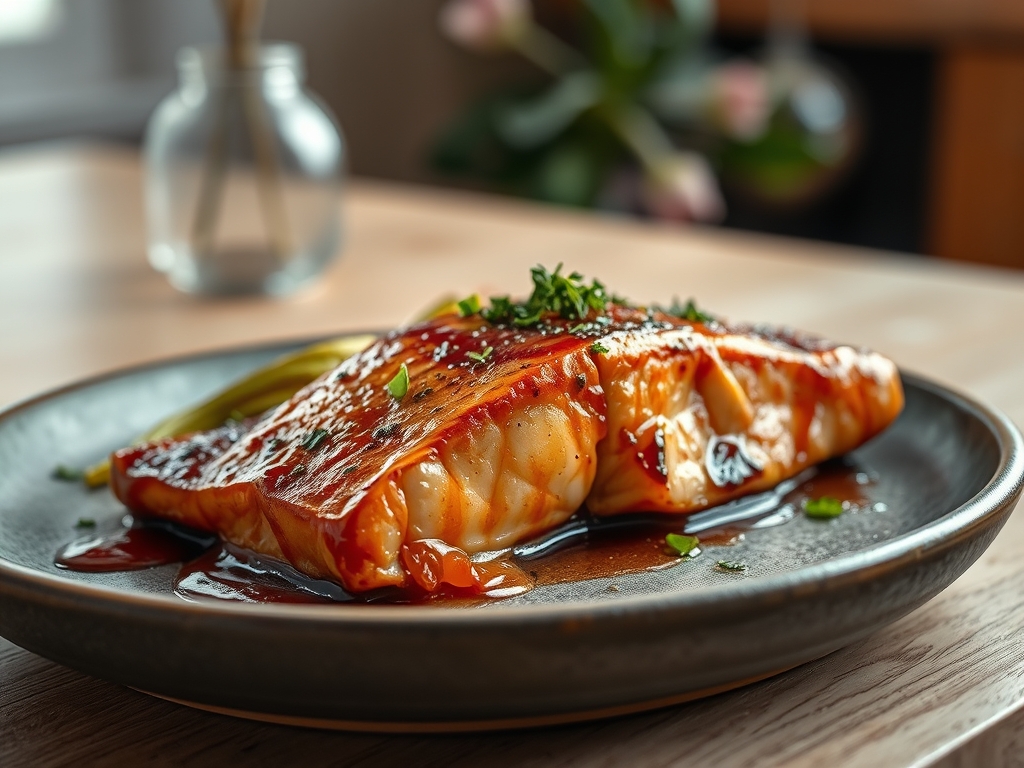
Picture the scene: you are standing in your kitchen after a long day, craving that specific, high-gloss finish of a restaurant-quality glaze. You want the snap of caramelized sugars against the buttery, velvet flake of a perfectly rendered fish. This is the magic of teriyaki salmon recipes air fryer enthusiasts rave about; it is the intersection of high-speed convection and Japanese-inspired soul food. We are moving past the days of soggy, oil-laden stovetop messes. Instead, we are harnessing the power of rapid air circulation to create a crust so lacquered it looks like polished mahogany. This guide is not just about a meal; it is about mastering the physics of the Maillard reaction in a compact countertop environment. We are going to manipulate heat, sugar concentrations, and protein structures to ensure every bite is a masterclass in texture. Grab your favorite apron and clear your workspace. We are about to transform a simple fillet into a decadent, savory-sweet masterpiece that rivals any high-end bistro in the city.
The Gathers:
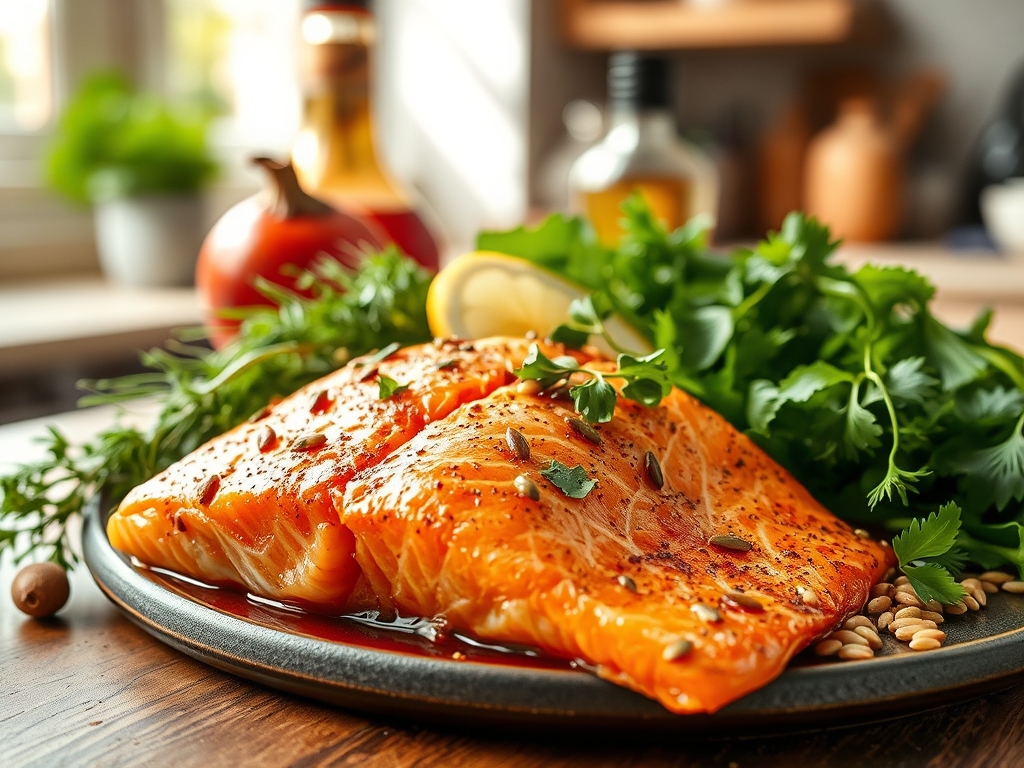
Setting the stage requires more than just opening the fridge. You need a mise-en-place that respects the delicate nature of the fish. Start with center-cut Atlantic or King salmon fillets; these have the highest fat content, which is essential for surviving the intense heat of an air fryer. You will need a high-quality, viscous soy sauce or tamari to provide the umami base. To achieve that signature piquant kick, gather fresh ginger and garlic. Use a microplane to grate these into a fine paste; this increases the surface area and allows the aromatics to infuse the marinade more deeply than chopping ever could.
For the sweetness, reach for dark brown sugar or honey. These contain complex sugars that caramelize at different temperatures, providing a layered flavor profile. You will also need toasted sesame oil for its high smoke point and nutty aroma, plus a splash of mirin to add acidity and shine. Smart Substitutions: If you are watching your sugar intake, monk fruit sweetener mimics the bulk of sugar without the glycemic spike. For a soy-free version, coconut aminos offer a similar salty-sweet profile with a lower sodium count. Always use a digital scale to measure your liquid ingredients if you want consistent, repeatable results every single time.
The Clock
Efficiency in the kitchen is about the Chef's Flow. This is the art of overlapping tasks so that no second is wasted. Your total active prep time is exactly twelve minutes. This includes the five minutes it takes to whisk your marinade in a small saucier and the seven minutes the salmon needs to sit and absorb the flavors. The air fryer requires a three-minute preheat period. While the machine reaches its target temperature of 400 degrees Fahrenheit, you can prepare your garnishes.
The actual cook time is a tight window of eight to ten minutes, depending on the thickness of your fillets. During this period, the air fryer acts as a miniature convection oven, stripping moisture from the surface to create a crust while keeping the interior at a perfect medium-rare. Total time from counter to table is under twenty-five minutes. This rapid pace is why teriyaki salmon recipes air fryer methods are the ultimate weeknight weapon for the busy professional who refuses to sacrifice quality for speed.
The Masterclass
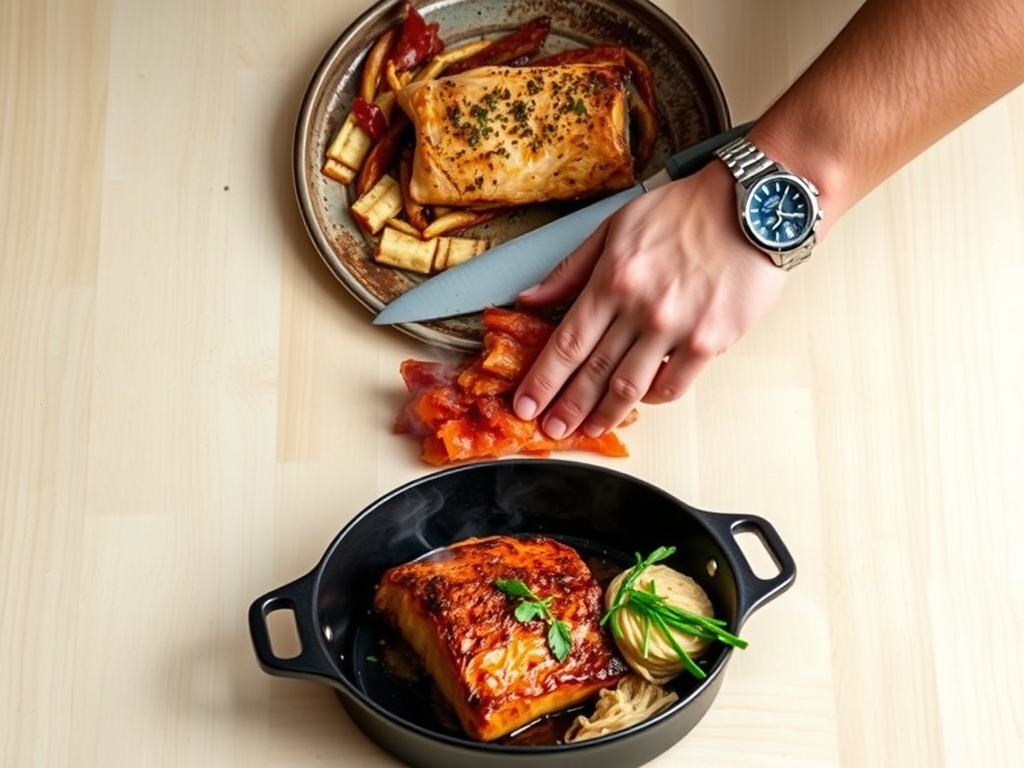
1. The Marinade Emulsion
In a small bowl, combine your soy sauce, aromatics, and sweeteners. Use a small whisk to emulsify the sesame oil into the mixture. This ensures the fats do not separate during the cooking process, allowing for an even coating on the fish.
Pro Tip: This step relies on solubility. By whisking thoroughly, you ensure the salt in the soy sauce breaks down the protein strands on the surface of the salmon, allowing the flavors to penetrate rather than just sit on top.
2. The Surface Prep
Pat your salmon fillets bone-dry with a paper towel before applying the marinade. Any excess surface moisture will turn into steam, which prevents the fish from crisping up. Use a pastry brush to apply a generous layer of the glaze.
Pro Tip: This is the secret to the Maillard reaction. Reducing surface moisture allows the temperature to rise rapidly above 285 degrees Fahrenheit, which is the threshold where sugars and amino acids react to create complex savory flavors.
3. The Preheated Launch
Slide your fillets into the preheated air fryer basket. Ensure there is at least an inch of space between each piece to allow the air to aerate the sides of the fish.
Pro Tip: Preheating creates an immediate thermal shock. This sears the bottom of the fish instantly, preventing it from sticking to the basket and ensuring the skin (if left on) becomes incredibly brittle and delicious.
4. The Mid-Point Glaze
At the five-minute mark, open the basket and apply a second layer of marinade using your pastry brush. This builds a "lacquer" effect, creating layers of flavor.
Pro Tip: This technique is known as successive reduction. As the water in the marinade evaporates in the high-heat environment, the sugar concentration increases, forming a thick, sticky coating that clings to the protein.
5. The Internal Check
Use a digital meat thermometer to check the thickest part of the fillet. You are looking for an internal temperature of 125 to 130 degrees Fahrenheit for a moist, tender result.
Pro Tip: Account for thermal carryover. The internal temperature will continue to rise by about five degrees after you remove the fish from the heat. Pulling it early ensures you do not end up with chalky, overcooked salmon.
6. The Final Rest
Transfer the salmon to a warm plate using silicone-tipped tongs to avoid breaking the delicate flakes. Let it rest for three minutes before serving.
Pro Tip: Resting allows the muscle fibers to relax and reabsorb the internal juices. If you cut into it immediately, the moisture will flood out, leaving the fish dry despite your best efforts.
The Deep Dive
From a nutritional standpoint, this dish is a powerhouse. A standard six-ounce fillet provides roughly 34 grams of high-quality protein and is rich in Omega-3 fatty acids, which are essential for brain health. If you are following a Keto lifestyle, replace the brown sugar with erythritol and serve the salmon over a bed of cauliflower rice. For a Vegan alternative, this exact same marinade and air fryer technique works beautifully with extra-firm tofu that has been pressed to remove excess water.
Even the best chefs hit snags. If your glaze is burning before the fish is cooked, your sugar content is too high or your basket is too close to the heating element; simply tent the fish with a small piece of foil. if the fish is sticking, you likely skipped the preheating phase or did not use enough oil. If the salmon is "white and goopy" on the outside, that is albumin. It is harmless, but it means you cooked the fish too fast at too high a temperature. Lower the heat by twenty degrees next time.
For meal prep, the air fryer is actually the best tool for reheating. To maintain "day-one" quality, air fry leftovers at 350 degrees Fahrenheit for three minutes. This reactivates the fats and recrisps the exterior without turning the interior into rubber, a feat the microwave simply cannot achieve.
The Wrap-Up
Mastering teriyaki salmon recipes air fryer style is about more than just following a list of ingredients; it is about understanding how heat and chemistry work together in your kitchen. By focusing on the viscous nature of your glaze and the precision of your timing, you have elevated a simple dinner into a culinary event. This method is fast, clean, and yields results that are consistently impressive. Whether you are hosting a dinner party or just treating yourself after a long shift, these hacks ensure your salmon is always the star of the show. Go ahead, take that first bite and savor the crunch.
The Kitchen Table
Can I use frozen salmon for this recipe?
Yes, but you must thaw it completely in the refrigerator first. Pat the fillets extremely dry to remove ice crystals; otherwise, the excess moisture will steam the fish and prevent the glaze from adhering to the surface properly.
Why is my teriyaki sauce not getting thick?
The thickness comes from sugar reduction. If your sauce is too thin, simmer it in a heavy-bottomed skillet for three minutes before brushing it onto the fish. This evaporates excess water and creates a more concentrated, sticky consistency.
Is it better to leave the skin on or off?
Keep the skin on. It acts as a thermal barrier that protects the delicate flesh from overcooking. Additionally, the air fryer excels at making salmon skin incredibly crispy, providing a wonderful textural contrast to the soft, flaky meat.
How do I prevent the garlic from burning?
Grate the garlic into a fine paste using a microplane. Large chunks of garlic have a tendency to burn and become bitter in the high-velocity air of the fryer. A paste integrates into the sauce and resists scorching.