
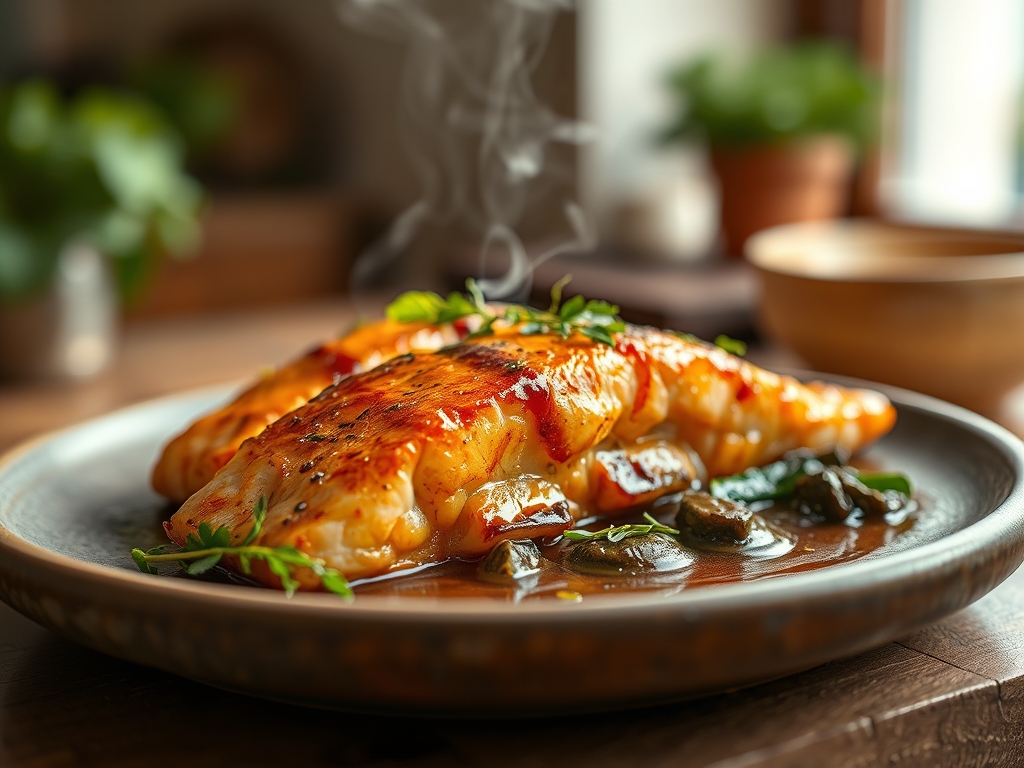
Close your eyes and imagine a fillet of fish so vibrant it glows like a sunset on a plate. We are talking about the ultimate fusion of high-heat intensity and delicate fatty acids. If you have been searching for tandoori salmon recipes that actually deliver that elusive, charred crust without turning the interior into sawdust, you have arrived at the right place. We are diving into the physics of the clay oven, reimagined for your modern kitchen.
The magic of this dish lies in the tension between the cooling properties of lactic acid and the aggressive heat of the grill. Most home cooks fail because they treat salmon like a blank canvas, but we are going to treat it like a structural masterpiece. We are looking for that specific moment where the sugars in the yogurt undergo the Maillard reaction, creating a piquant crust that protects the succulent, omega-3 rich flesh beneath. It is smoky, it is spicy, and it is scientifically designed to be the best thing you eat this week. Let us get your mise-en-place ready because we are about to turn your kitchen into a high-performance culinary lab.
The Gathers:
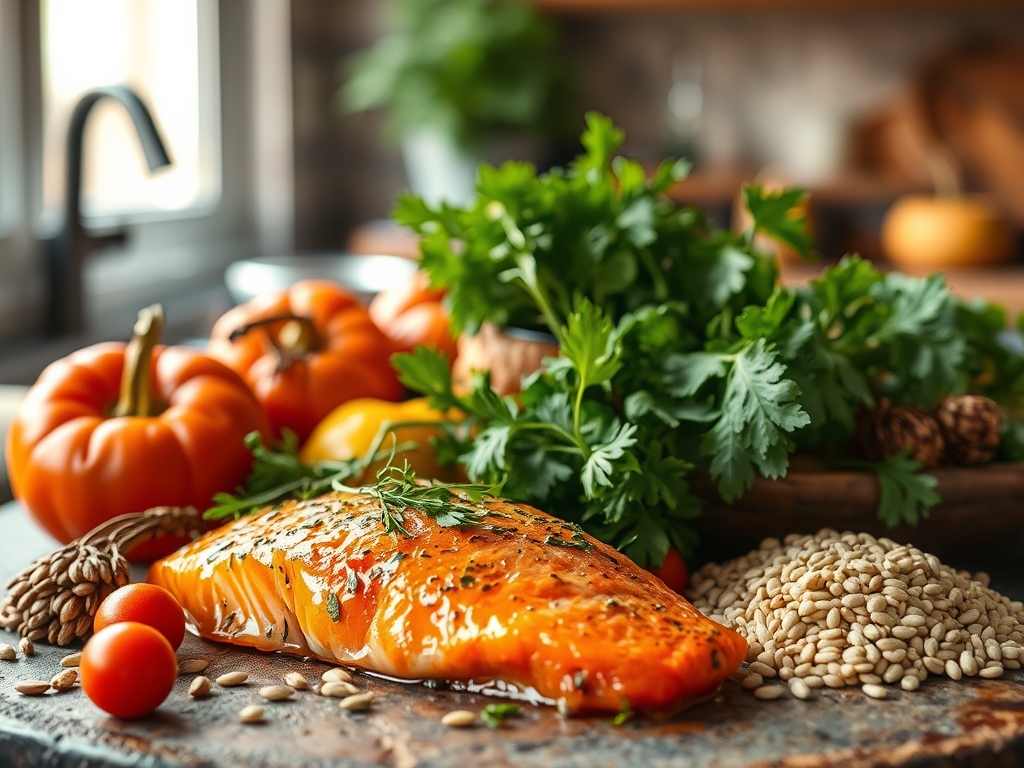
To achieve professional results, your ingredient selection must be intentional. We start with center-cut Atlantic or King salmon. These cuts offer the most uniform thickness, which is vital for even thermal distribution. You will need a microplane to grate fresh ginger and garlic into a fine paste; this increases the surface area for maximum flavor infusion.
The marinade base requires full-fat Greek yogurt. The viscosity of the yogurt is essential for cling; thin, watery yogurts will simply slide off the fish and burn at the bottom of your pan. For spices, we use a blend of smoked paprika, cumin, coriander, and turmeric. If you want that signature crimson hue without artificial dyes, use Kashmiri chili powder or a touch of beet juice.
Smart Substitutions:
If you are dairy-free, a thick cashew cream provides the necessary proteins for browning. For those who find salmon too oily, a firm white fish like halibut works beautifully, though you must reduce the cooking time by twenty percent to account for the lower fat content. Always use a digital scale to measure your spices if you want consistent, repeatable results every single time.
The Clock
Efficiency in the kitchen is about mastering the Chef's Flow. This is the sequence of operations that ensures no minute is wasted.
- Prep Time: 15 minutes. This includes your knife work and the emulsification of the marinade.
- Marination: 30 minutes. Do not exceed sixty minutes, or the acid in the lemon juice will begin to "cook" the fish, resulting in a mushy texture.
- Cook Time: 8 to 12 minutes depending on thickness.
- Resting: 5 minutes. This is non-negotiable for moisture retention.
While the salmon marinates, use that window to prepare your cooling elements, like a cucumber raita or a bright mint chutney. This "parallel processing" ensures that the fish goes from the heat to the plate while the crust is still crisp and the interior is perfectly translucent.
The Masterclass:
1. The Surface Preparation
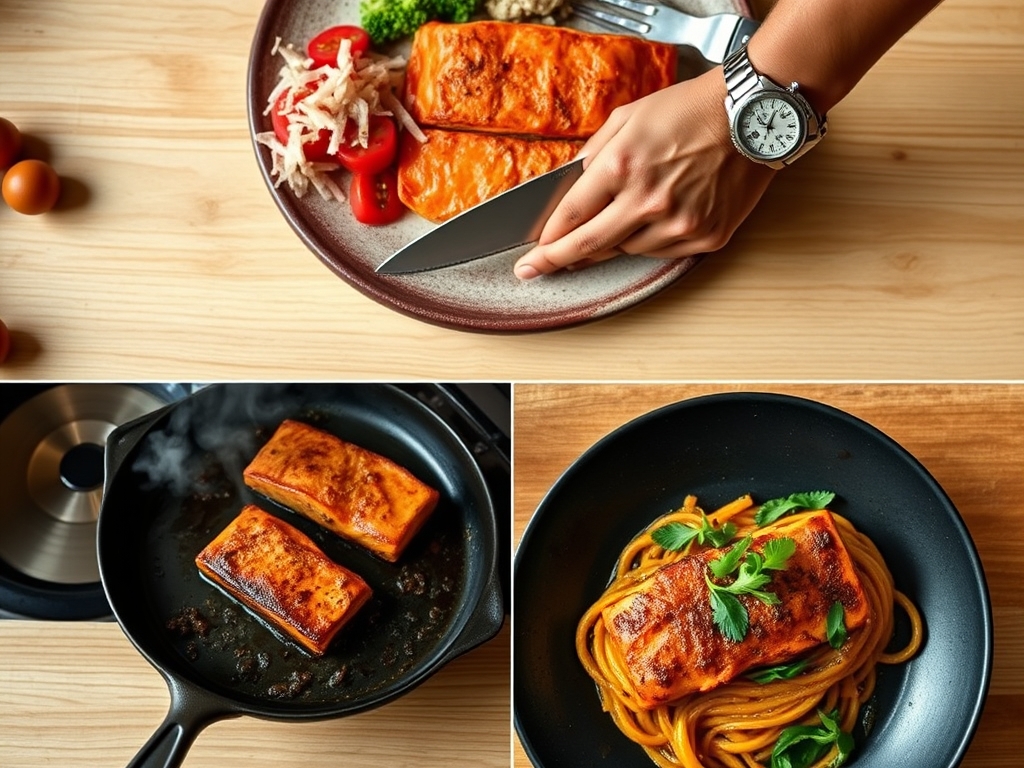
Pat your salmon fillets bone-dry with a paper towel. Moisture is the enemy of a good sear. Use a bench scraper to ensure your workspace is clear before you begin the seasoning process.
Pro Tip: This prevents the formation of steam. If the surface is wet, the energy of the pan goes into evaporating water rather than browning the proteins, a process known as latent heat of vaporization.
2. The Acid-Fat Emulsification
In a small saucier, whisk together your yogurt, spices, lemon juice, and a neutral oil. The oil acts as a solvent for the fat-soluble compounds in the spices, ensuring the flavor penetrates deep into the muscle fibers.
Pro Tip: Adding a teaspoon of chickpea flour (besan) to the marinade acts as a binder. This stabilizes the yogurt under high heat and prevents it from curdling or separating.
3. The Controlled Infusion
Coat the fillets generously and let them sit at room temperature. Cold fish hitting a hot pan causes the muscle fibers to contract violently, squeezing out the juices.
Pro Tip: Room temperature marination encourages enzymatic browning. It allows the spices to hydrate and the salt to begin denaturing the surface proteins for a better crust.
4. The High-Heat Execution
Heat a heavy-bottomed skillet or cast-iron pan until it is wispy with smoke. Use tongs to gently lay the fish away from you to avoid oil splatter.
Pro Tip: The heavy pan provides high thermal mass. This means the temperature does not drop significantly when the cold fish is added, ensuring the Maillard reaction begins instantly.
5. The Flip and Finish
Once a deep crust has formed, flip the fish. Reduce the heat slightly to allow the center to reach an internal temperature of 125 degrees Fahrenheit.
Pro Tip: Utilize thermal carryover. If you pull the salmon at 125 degrees, the residual heat will continue to cook the fish as it rests, bringing it to a perfect 130 degrees without drying it out.
The Deep Dive
From a nutritional standpoint, this is a powerhouse. You are getting high-quality protein, heart-healthy fats, and the anti-inflammatory benefits of turmeric. A standard 6-ounce portion contains roughly 350 calories, 34g of protein, and 18g of fat.
Dietary Swaps:
- Keto: This recipe is naturally keto-friendly. Serve with roasted cauliflower.
- Vegan: Use extra-firm tofu pressed for 30 minutes. The marinade works perfectly on plant-based proteins.
- GF: Ensure your spice blends are certified gluten-free.
The Fix-It:
- Soggy Crust: Your pan wasn't hot enough. Next time, wait for the oil to shimmer and smoke slightly.
- Bitter Spices: You burnt the marinade. Lower the heat slightly after the initial sear.
- Dry Interior: You skipped the resting phase or overcooked it. Use a digital thermometer; 125 degrees is the sweet spot.
Meal Prep:
To reheat without losing quality, avoid the microwave. Use a toaster oven at 300 degrees with a splash of water covered in foil. This creates a mini-steam chamber that restores moisture to the lipids without toughening the protein.
The Wrap-Up
Mastering tandoori salmon recipes is about more than just following a list of ingredients; it is about understanding the physics of heat and the chemistry of flavor. When you combine the bold, smoky spices of the East with the delicate, fatty texture of premium salmon, you create a dish that is both sophisticated and incredibly satisfying. Remember to trust your tools, watch your temperatures, and never skip the rest. You are now equipped to turn a simple piece of fish into a restaurant-quality masterpiece that will leave your guests begging for the secret. Now, get that skillet screaming hot and show them what you can do.
The Kitchen Table
Can I make this in an air fryer?
Yes. Set your air fryer to 400 degrees Fahrenheit and cook for 8 to 10 minutes. The high-velocity hot air mimics the convection of a traditional tandoor oven, creating an exceptionally crispy exterior.
What is the best way to prevent sticking?
Ensure your skillet is properly seasoned and preheated. Use a high-smoke point oil like avocado or grapeseed oil. Do not attempt to flip the fish until it naturally releases from the pan surface.
How long does the marinade last?
The prepared yogurt marinade can be stored in an airtight container for up to three days. However, once the salmon is added, do not exceed sixty minutes of marination to maintain the integrity of the fish.
What should I serve with tandoori salmon?
Balance the heat with a cooling cucumber raita and basmati rice. A bright, citrusy slaw or charred asparagus also provides a necessary textural contrast to the soft, flaky fish and rich marinade.