
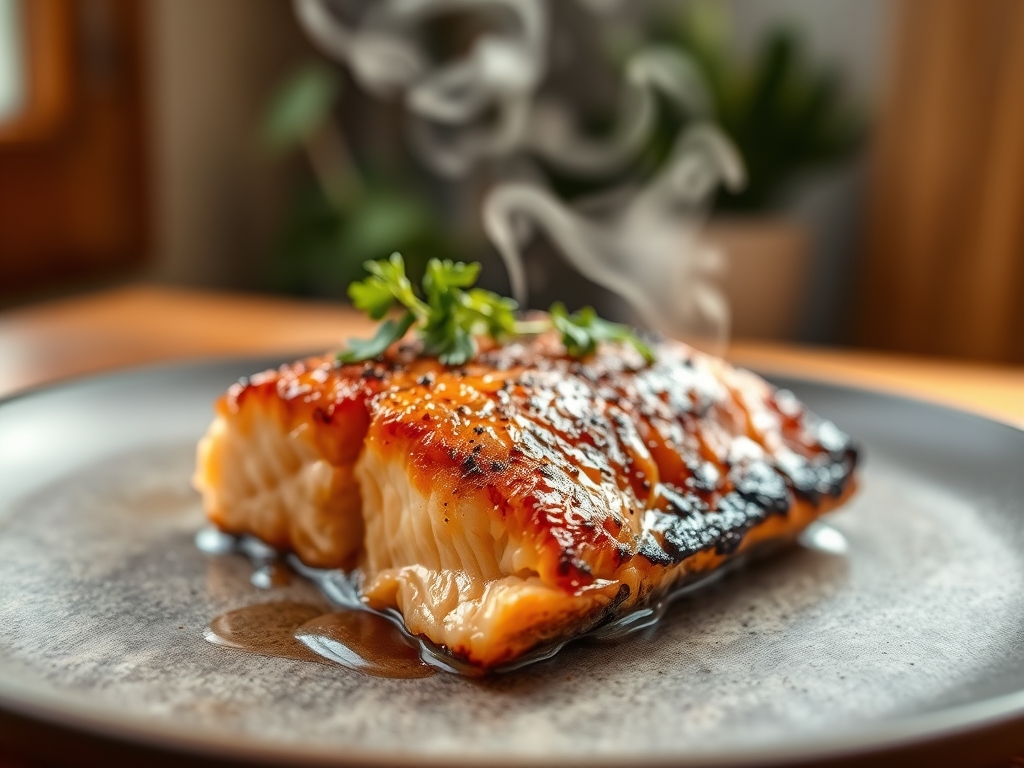
Picture the scene: your kitchen is filled with the intoxicating scent of smoked paprika, toasted cumin, and searing protein. You are about to master the art of the perfect crust. When searching for blackened salmon recipes oven methods, most people fear the smoke alarm or a dried out fillet. We are changing that narrative today. This is not just dinner; it is a masterclass in controlled combustion and moisture retention. We are aiming for that iconic, dark mahogany crust that shatters under a fork to reveal buttery, translucent flakes of pink fish. The secret lies in the synergy between high heat and a precise spice blend.
Blackening is a technique born from the heat of Louisiana, traditionally requiring a screaming hot cast iron skillet and a lot of ventilation. However, by leveraging the convection currents of a modern oven, we can achieve that same soulful depth without turning your kitchen into a localized fog bank. We are going to manipulate the Maillard reaction to our advantage. By the time we are done, you will understand exactly why your previous attempts might have fallen flat and how to ensure every single bite is a piquant explosion of flavor.
The Gathers:
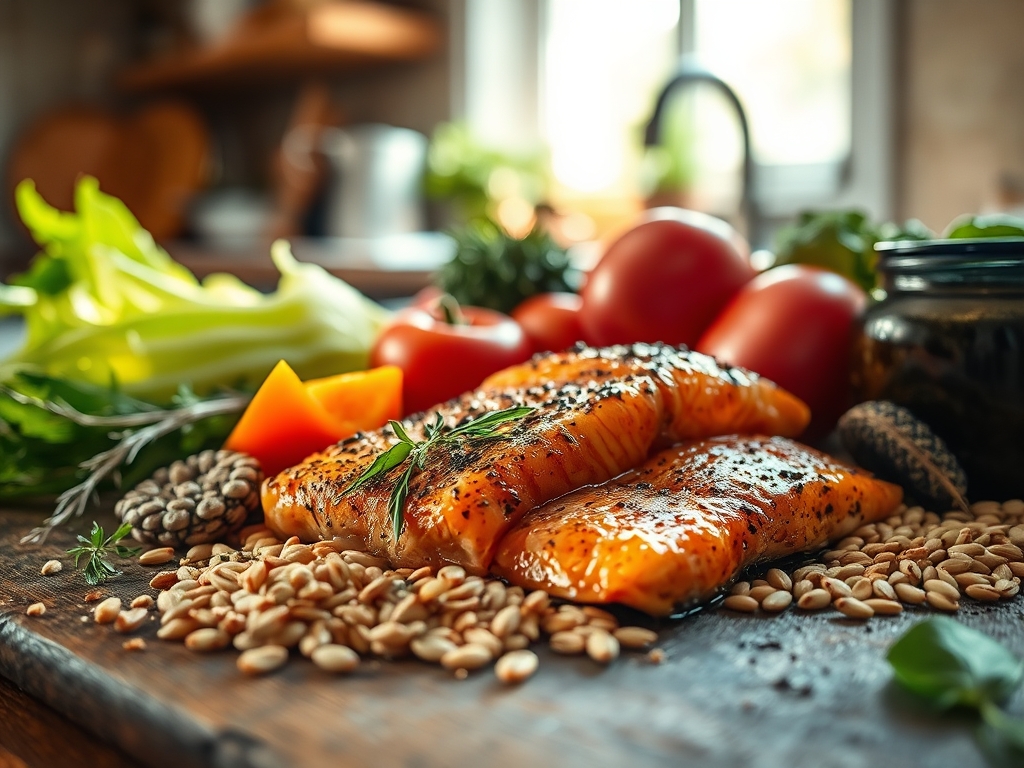
To begin, clear your workstation with a bench scraper to ensure a pristine surface for your mise-en-place. For the salmon, look for center-cut fillets of Atlantic or King salmon; these have the highest fat content, which is essential for withstanding the intense heat of the blackening process. You will need a high-quality fat source to act as a binder for your spices. While melted butter is traditional, an oil with a high smoke point like avocado oil prevents the acrid taste of burnt lipids.
Your spice arsenal is the heart of the operation. You will need smoked paprika for color, cayenne for heat, and dried thyme and oregano for an earthy, herbaceous backbone. Do not forget the aromatics: granulated garlic and onion powder provide a savory base that fresh cloves cannot match in this high-heat environment. Use a digital scale to measure your spices if you want absolute consistency, as even a few extra grams of salt can skew the osmotic balance of the fish.
Smart Substitutions:
If you are watching your sodium, replace the table salt with a high-quality smoked sea salt; it provides more flavor impact with less volume. For those who prefer a "sweet-heat" profile, a teaspoon of coconut sugar added to the rub will encourage faster caramelization. If you find yourself without avocado oil, ghee is a fantastic alternative because the milk solids have been removed, giving it a much higher thermal threshold than standard butter.
The Clock:
Efficiency in the kitchen is all about the "Chef's Flow." This refers to the logical sequencing of tasks to minimize downtime. Your total active prep time is approximately 10 minutes, with a cook time of 12 to 15 minutes depending on the thickness of your fillets.
- The Warm Up (0-5 mins): Preheat your oven and prepare your baking sheet.
- The Rub (5-10 mins): Pat the fish dry and apply the spice crust.
- The Roast (10-22 mins): This is the hands-off phase where the magic happens.
- The Rest (22-27 mins): Vital for moisture redistribution.
By following this flow, you can have a restaurant-quality meal on the table in under thirty minutes. Use this time to prepare a quick side, perhaps a bright slaw or some zesty quinoa, to balance the richness of the blackened crust.
The Masterclass:
1. The Desiccation Phase
Start by using paper towels to aggressively pat the salmon skin and flesh until bone-dry. Moisture is the enemy of the crust. If the surface is damp, the oven heat will go toward evaporating water rather than searing the protein.
Pro Tip: This is known as preventing "steam-shielding." By removing surface water, you allow the heat to immediately trigger the Maillard reaction, which is the chemical reaction between amino acids and reducing sugars that gives browned food its distinctive flavor.
2. The Lipid Barrier
Brush each fillet with a thin, even layer of avocado oil or melted ghee. You want the surface to look viscous and glossy. This oil acts as a heat conductor, ensuring the spices toast evenly rather than burning in isolated spots.
Pro Tip: Oil is a superior thermal conductor compared to air. This layer ensures that the heat from the oven is efficiently transferred into the spices, allowing them to infuse the top layer of the fish with flavor.
3. The Spice Application
Dredge the top of the salmon in your spice mixture. Do not just sprinkle; press the spices into the flesh using the flat side of a knife or your fingers to create a thick, encapsulated layer.
Pro Tip: This creates a physical barrier that protects the delicate fats inside the fish. The spices undergo "pyrolysis," a thermochemical decomposition of organic material, which creates that deep, smoky "blackened" profile without drying out the interior.
4. The High-Heat Roast
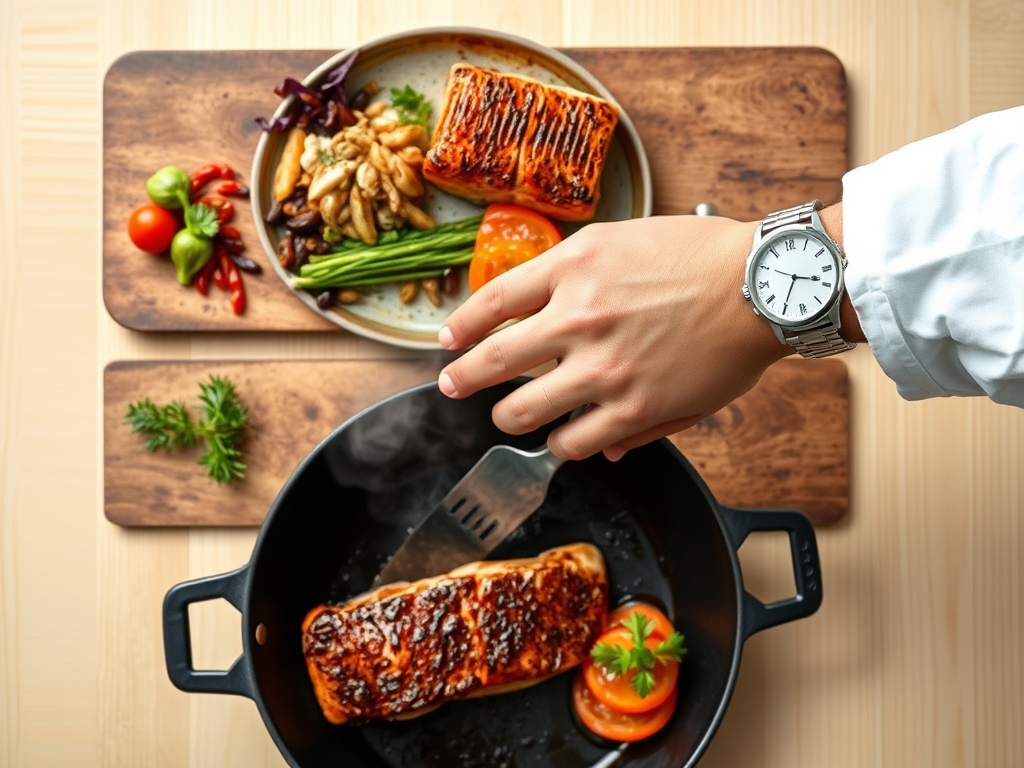
Place your salmon on a preheated heavy-duty baking sheet. Position the rack in the upper third of the oven. If your oven has a convection setting, turn it on to aerate the hot air and ensure even browning.
Pro Tip: Using a heavy baking sheet provides "thermal mass." When the cold fish hits the hot pan, the pan does not lose its temperature, ensuring the bottom of the fish cooks as efficiently as the top.
5. The Broil Finish
During the last two minutes of cooking, switch your oven to the broil setting. Watch the fillets like a hawk. You are looking for the spices to bubble and darken into a beautiful crust.
Pro Tip: Broiling uses infrared radiation. This intense, direct energy source is what creates the "shatter" texture of a perfect blackening rub by rapidly dehydrating the outermost layer of the spice paste.
6. The Carryover Rest
Remove the salmon from the oven when a digital thermometer reads 130 degrees Fahrenheit. Transfer the fillets to a warm plate and let them rest for five minutes.
Pro Tip: This accounts for "thermal carryover." The internal temperature will continue to rise by 5 to 7 degrees after removal. Resting also allows the muscle fibers to relax and reabsorb the internal juices, ensuring a succulent result.
The Deep Dive:
From a nutritional standpoint, blackened salmon is a powerhouse. It is rich in Omega-3 fatty acids, which are essential for brain health, and provides a high density of bioavailable protein. A standard 6-ounce portion contains roughly 340 calories, 0 grams of carbohydrates, and 35 grams of protein, making it a staple for Keto and Paleo lifestyles.
Dietary Swaps:
For a vegan alternative, this same spice rub works beautifully on thick slabs of cauliflower or firm tofu. If you are Gluten-Free, rest easy; this recipe is naturally safe as long as your spices do not contain anti-caking agents derived from grain.
The Fix-It:
- The Spices Tasted Bitter: This usually means the paprika burnt. Next time, move the oven rack one level lower or reduce the broil time.
- The Fish is Dry: You likely skipped the "Rest" phase or overcooked it. Use a thermometer and pull the fish at 130 degrees Fahrenheit.
- The Crust is Soggy: You didn't pat the fish dry enough. Use more paper towels and ensure the oven is fully preheated before the fish goes in.
Meal Prep:
To reheat blackened salmon without losing quality, avoid the microwave. The microwave vibrates water molecules, which turns your crust into mush. Instead, place the fillet in a saucier or small pan with a teaspoon of water, cover it, and heat on low. This creates a gentle steam bath that warms the interior while keeping the crust intact.
The Wrap-Up:
You are now armed with the scientific secrets to the ultimate blackened salmon. By mastering the balance of heat, lipids, and spices, you have elevated a simple weeknight meal into a culinary event. Remember, cooking is as much about physics as it is about flavor. Go forth, use your tongs with confidence, and enjoy the most flavorful, flaky salmon of your life. Your kitchen is your laboratory, and tonight, the experiment is a guaranteed success!
The Kitchen Table:
How do I know when the salmon is done without a thermometer?
Press the top of the fillet gently with a fork. If the flakes separate easily along the white lines of fat (the albumin), the salmon is cooked through. The center should still look slightly translucent for maximum juiciness.
Can I use frozen salmon for this recipe?
Yes, but you must thaw it completely in the refrigerator first. Once thawed, use extra paper towels to remove the excess moisture that freezing often creates; otherwise, you will struggle to achieve a crisp, blackened crust.
Why is my salmon oozing white stuff?
That white substance is called albumin. It is a protein that pushes to the surface when the muscle fibers contract too quickly from high heat. It is perfectly safe to eat, though it indicates the fish is cooking fast.
What is the best way to store leftovers?
Store your blackened salmon in an airtight glass container for up to three days. To preserve the crust, place a piece of parchment paper over the top of the fish before sealing the lid to absorb any rising condensation.