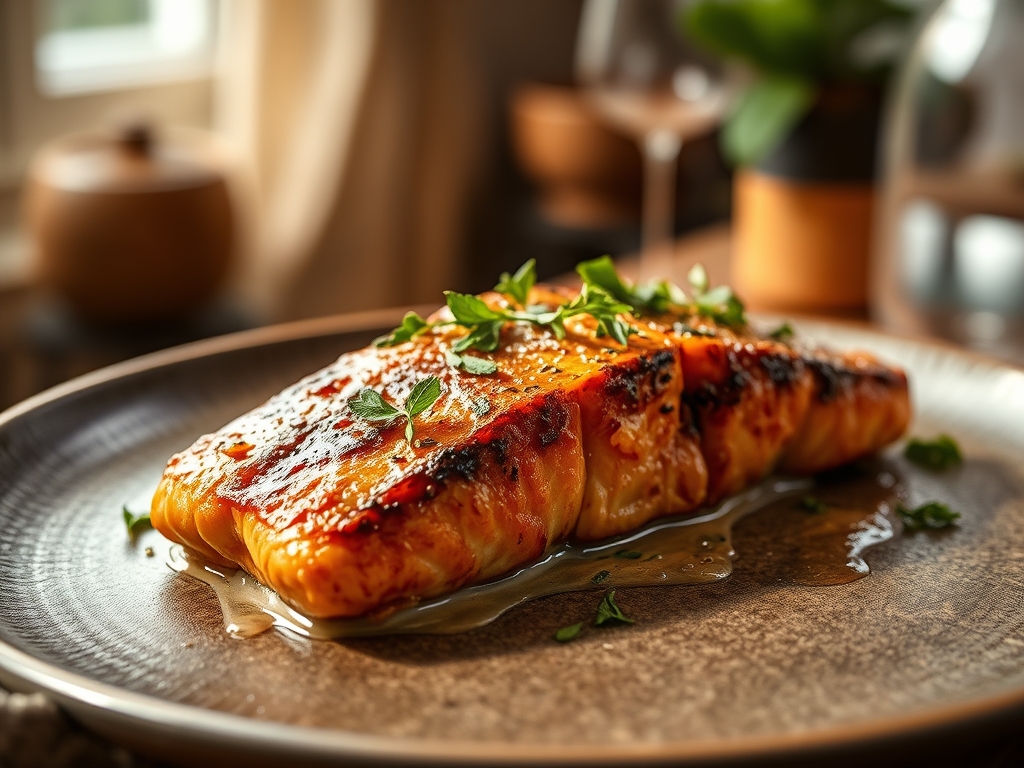
Picture this: you are standing in front of your refrigerator at 6:00 PM, staring at a cold, lonely fillet from last night. It looks a bit dull; the vibrant coral hue has faded, and the texture feels firm. But here is the secret: that chilled protein is actually a culinary goldmine. When you master cooked salmon recipes leftover, you are not just reheating; you are repurposing a high-quality lipid and protein structure. Cold salmon holds its shape better than fresh, making it the perfect candidate for flaking into delicate ribbons or searing into crispy cakes. We are going to transform that static piece of fish into something that tastes like a deliberate, five-star choice.
The beauty of working with pre-cooked fish is that the initial denaturation of proteins has already occurred. This means we are skipping the stressful "is it done yet?" phase and moving straight to the flavor-building stage. We will focus on moisture retention and the Maillard reaction to ensure every bite is as succulent as the first. Whether you want a piquant spread or a crispy hash, we are about to turn yesterday's dinner into today's masterpiece. Grab your favorite apron; we have some science to do.
The Gathers:
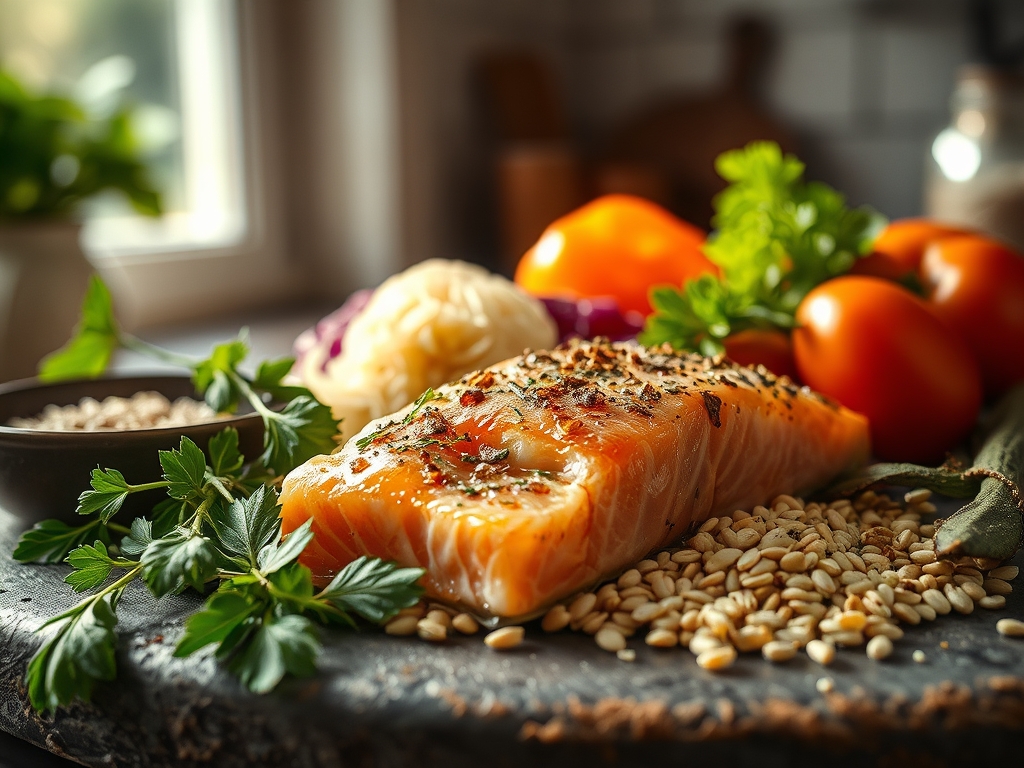
To execute these transformations, your mise-en-place must be precise. Start with your chilled salmon, ideally flaked with a fork to increase the surface area for seasoning. You will need a high-quality fat source, such as unsalted European-style butter or a neutral oil with a high smoke point like avocado oil. To cut through the fatty acids of the fish, gather acidic brighteners: fresh lemons for zest and juice, or perhaps a jar of non-pareil capers for a salty, briny punch.
For texture, reach for panko breadcrumbs or crushed crackers to provide a structural contrast. Aromatics are non-negotiable; have shallots, garlic, and fresh dill or chives ready on your cutting board. Use a microplane to grate your aromatics into a fine paste; this ensures even distribution without chunky bites. If you are leaning into a creamy preparation, ensure your Greek yogurt or crème fraîche is at room temperature to prevent curdling when it hits a warm pan.
Smart Substitutions:
If you find yourself out of fresh herbs, a teaspoon of dried tarragon or dill can work, but rehydrate them in a bit of lemon juice first to wake up the volatile oils. No panko? Use almond flour for a keto-friendly crunch. If the salmon feels particularly dry, a tablespoon of mayonnaise worked into the flakes acts as a brilliant emulsifier and moisture-restorer during reheating.
The Clock
Efficiency in the kitchen is all about the Chef's Flow. This isn't just about the total time; it's about overlapping tasks so you aren't standing around watching a pan heat up.
- Prep Time: 10 minutes. This includes flaking the fish, mincing aromatics with a sharp chef's knife, and measuring out your binders.
- Cook Time: 5 to 15 minutes. Since the salmon is already cooked, you are merely achieving a target internal temperature or creating a crust.
- Total Time: 25 minutes or less.
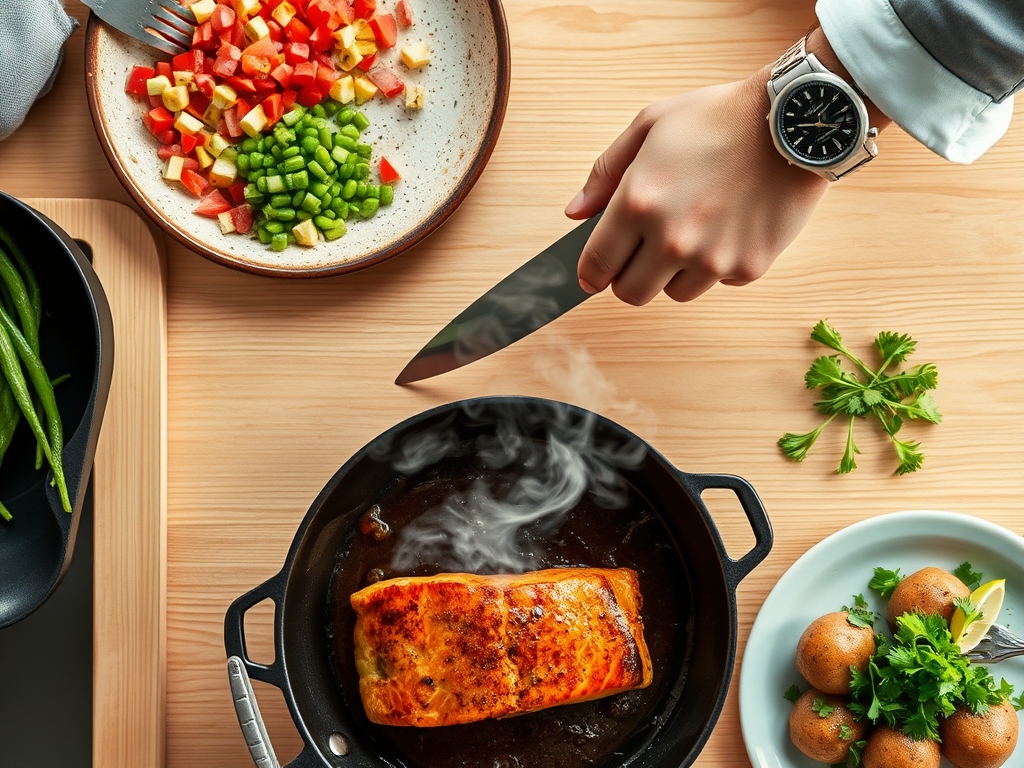
The "Flow" works like this: start by prepping your cold ingredients. While the salmon reaches room temperature (to avoid a cold center), preheat your heavy-bottomed skillet. While the pan gets hot, mix your binders. By the time the oil shimmers, you are ready to sear. This prevents the fish from sitting in a lukewarm pan and becoming "mushy" via slow steam.
The Masterclass
1. The Flake and Inspect
Begin by gently breaking the salmon into bite-sized shards using a bench scraper or your fingers. Ensure you remove any stray pin bones or skin that may have softened overnight.
Pro Tip: This step utilizes surface area physics. Smaller flakes heat faster and more evenly, preventing the outer edges from overcooking while the center remains icy.
2. The Aromatic Infusion
Sauté your shallots and garlic in a saucier with a bit of butter until they are translucent. Do not let them brown yet; you want to infuse the fat with their essential oils.
Pro Tip: This is called sweating. By keeping the temperature low, you release the sugars in the aromatics without triggering the bitter compounds associated with high-heat searing.
3. Binding the Elements
In a stainless steel mixing bowl, combine your salmon with a binder like an egg or a dollop of Greek yogurt. Add your dry elements like zest and herbs.
Pro Tip: This creates an emulsion. The fats in the salmon bond with the proteins in the binder, ensuring your final dish doesn't crumble when it hits the heat.
4. The Golden Sear
Form the mixture into patties or toss the flakes into a hot skillet. Use tongs to flip gently only once you see a golden crust forming on the edges.
Pro Tip: This is the Maillard reaction. The amino acids and reducing sugars react at temperatures above 285 degrees Fahrenheit to create complex, savory flavor compounds that fresh salmon lacks.
5. The Acidic Finish
Just before serving, deglaze the pan with a splash of white wine or a squeeze of lemon juice. This lifts the flavorful "fond" (browned bits) from the bottom of the pan.
Pro Tip: Acid acts as a molecular "brightener." It balances the heavy lipids in the salmon, making the dish feel light and vibrant rather than oily.
The Deep Dive
When we look at the macro profile, leftover salmon remains a powerhouse. It is rich in Omega-3 fatty acids (EPA and DHA), which are heat-stable and survive the second cooking process. You are looking at roughly 20-25 grams of protein per 4-ounce serving.
Dietary Swaps:
- Vegan: If you are cooking for a mixed crowd, you can replicate the texture of salmon using marinated hearts of palm, though the nutrient profile will differ.
- Keto: Skip the breadcrumbs entirely. Use crushed pork rinds or extra parmesan cheese to create a "frico" style crust.
- Gluten-Free: Use certified GF oats or chickpea flour as your structural binder.
The Fix-It:
- Too Dry: If your salmon flakes are resembling sawdust, fold in a teaspoon of viscous olive oil or a spoonful of pesto before reheating.
- Falling Apart: If your salmon cakes won't hold, the mixture is too wet. Add a tablespoon of coconut flour; it is highly absorbent and will tighten the structure instantly.
- Fishy Smell: This happens when fats oxidize. Neutralize it by adding a pinch of ground ginger or extra lemon zest, which masks the trimethylamine (TMA) compounds.
Meal Prep Science:
To achieve "day-one" quality, never use a microwave on high power. The electromagnetic waves agitate water molecules too violently, toughening the protein fibers. Instead, use a steamer basket for 2 minutes or a low-heat oven (275F) covered with foil to create a gentle, humid environment.
The Wrap-Up
Transforming your fridge finds into high-end cooked salmon recipes leftover is truly a superpower. You have moved beyond the basic "reheat" and entered the realm of culinary upcycling. By understanding the science of emulsification and the importance of acidic balance, you can turn a simple leftover into a gourmet salmon pasta, a crispy salad topper, or the best salmon cakes of your life. Remember, the kitchen is your laboratory; don't be afraid to experiment with different textures and aromatics. Now, go turn that cold fillet into something spectacular!
The Kitchen Table
Can I freeze leftover cooked salmon?
Yes, you can freeze it for up to three months. To maintain quality, wrap it tightly in plastic wrap to prevent sublimation (freezer burn) and store it in an airtight silicone bag or container.
How long is cooked salmon safe in the fridge?
According to food safety standards, cooked salmon should be consumed within three to four days. Always store it at or below 40 degrees Fahrenheit to inhibit bacterial growth and maintain the integrity of the fats.
What is the best way to reheat salmon without drying it out?
The most effective method is "low and slow." Place the fish in a shallow dish with a tablespoon of water or broth, cover tightly with foil, and warm at 275 degrees until just heated through.
Can I eat leftover salmon cold?
Absolutely. Cold salmon is a delicacy when flaked into a grain bowl or used in a creamy salad. The chilled temperature allows the natural fats to remain viscous, providing a rich, buttery mouthfeel.