
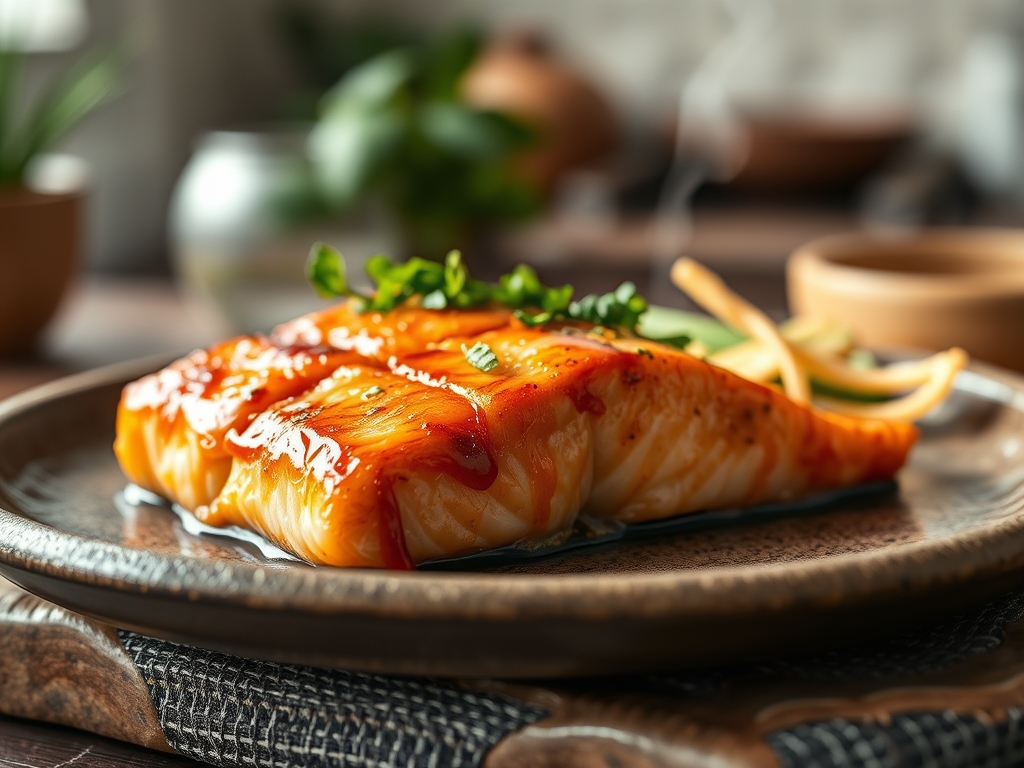
Imagine the sound of a heavy-bottomed skillet meeting a high-flame burner; that sharp, rhythmic hiss as cold protein hits shimmering oil. The air fills with the scent of toasted sesame and the piquant bite of fresh ginger. When you are chasing a deadline but craving something gourmet, teriyaki salmon recipes easy enough for a Tuesday are your absolute secret weapon. It is about that perfect glaze. We are looking for a viscous, mirror-like finish that clings to the flakes of the fish without being cloyingly sweet. This is not just dinner; it is a masterclass in balancing salt, acid, and sugar in under twenty minutes. We are going to transform a simple fillet into a restaurant-quality centerpiece that looks like you spent hours over a saucier, even if you just stepped through the door.
The Gathers:
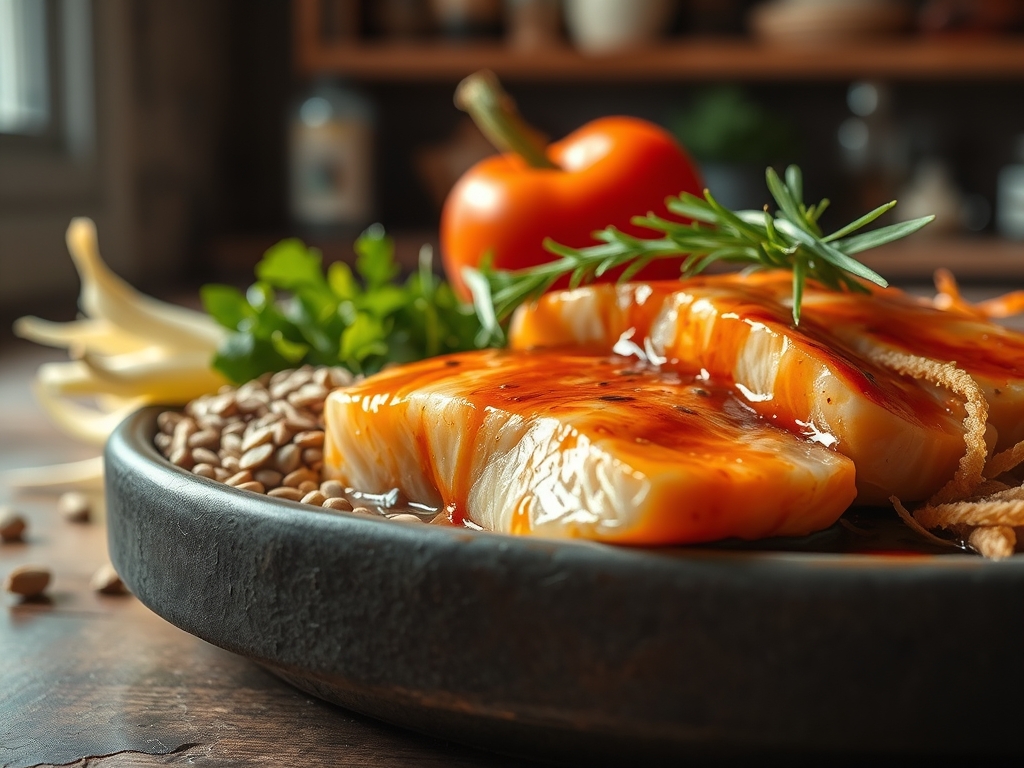
To achieve the ultimate texture, your mise-en-place must be precise. Start with high-quality Atlantic or King salmon fillets; look for vibrant color and firm flesh that bounces back when pressed. You will need a microplane for the aromatics. Grating your ginger and garlic directly into the bowl ensures the essential oils are released and fully infused into the liquid base. For the sauce, gather soy sauce (the primary salt source), mirin for that characteristic sheen, and honey or brown sugar to facilitate the Maillard reaction.
Smart Substitutions: If you are watching your sodium, liquid aminos or coconut aminos provide a similar depth of flavor with a lower salt profile. If you lack mirin, a splash of dry sherry mixed with a pinch of sugar mimics the acidity perfectly. For the fat, choose an oil with a high smoke point like avocado or grapeseed oil; butter will burn too quickly under the high heat required to render the salmon skin to a potato-chip crispness.
The Clock
Efficiency in the kitchen is all about the "Chef's Flow." This refers to the overlap of tasks that minimizes downtime. While your skillet preheats for five minutes, you are whisking the glaze and patting the fish dry. Total preparation time should not exceed ten minutes, with a cooking window of eight to twelve minutes depending on the thickness of the cut.
The goal is to reach an internal temperature of 125 degrees Fahrenheit for a medium-rare finish. Remember, the fish will continue to cook once removed from the heat. This is known as thermal carryover. If you wait until the fish looks "done" in the pan, it will be dry by the time it hits your plate. By timing your sides; perhaps a quick steam of bok choy or a bowl of jasmine rice; to finish exactly as the salmon rests, you ensure a cohesive, hot meal.
The Masterclass
1. Prep the Protein
Remove the salmon from the refrigerator fifteen minutes prior to cooking to take the chill off. Use a paper towel to aggressively pat the skin dry. Moisture is the enemy of a sear; any surface water will turn to steam, preventing the skin from becoming crisp.
Pro Tip: This step utilizes evaporative cooling principles. By removing surface moisture, the energy of the pan goes directly into browning the proteins rather than boiling away water.
2. The Sear
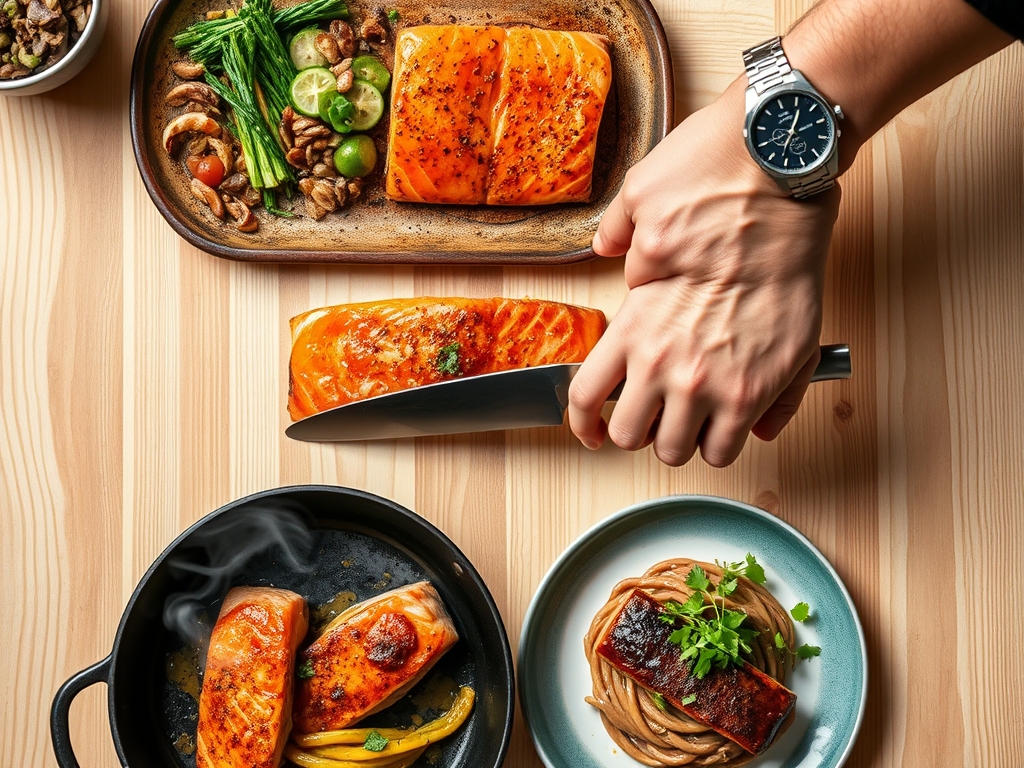
Heat your oil in a stainless steel or cast iron skillet until it shimmers. Place the salmon skin-side down and press firmly with a flexible metal spatula for thirty seconds. This prevents the protein fibers from curling and ensures even contact with the heat source.
Pro Tip: Pressing the fish facilitates conduction, the direct transfer of heat from the metal to the skin. This allows the fat under the skin to render out, resulting in a glass-like crunch.
3. The Deglaze and Glaze
Once the skin is crisp and the flesh is cooked two-thirds of the way up, flip the fillets carefully with tongs. Immediately pour your prepared teriyaki mixture into the pan. The liquid will bubble violently; this is the process to deglaze the pan, lifting the flavorful browned bits (the fond) into the sauce.
Pro Tip: As the water in the sauce evaporates, the sugars concentrate. This creates a viscous reduction that coats the fish through molecular adhesion.
4. The Baste
Use a large spoon to continuously pour the hot, thickening sauce over the top of the fillets. This technique, often used by French chefs with butter, ensures the top of the fish stays moist while the sugars in the glaze undergo enzymatic browning for extra flavor.
Pro Tip: Basting creates a heat jacket around the fish, finishing the top gently without the need for a lid, which would otherwise steam the crisp skin you worked so hard to achieve.
The Deep Dive
From a nutritional standpoint, salmon is a powerhouse of Omega-3 fatty acids and high-quality protein. A standard six-ounce serving provides roughly 34 grams of protein. To keep this keto-friendly, swap the honey for a monk fruit sweetener and use tamari to keep it gluten-free. For a vegan "fix," this same glaze technique works beautifully on thick slabs of firm tofu or cauliflower steaks.
The Fix-It: Common Pitfalls
- The Sauce is Too Runny: If your glaze won't cling, whisk a half-teaspoon of cornstarch with cold water and stir it into the simmering pan. This creates a slurry that thickens the sauce instantly through starch gelatinization.
- The Skin is Stuck: This usually happens because the pan wasn't hot enough or you tried to flip it too early. Protein will naturally release from the pan once the Maillard reaction has occurred. Be patient.
- The Garlic Tastes Bitter: If your aromatics burn, it is because they were added too early. Always add fresh garlic during the final glazing phase, not the initial sear.
Meal Prep Science: If you are making this for the week, undercook the salmon slightly (to about 115 degrees). When you reheat it in the microwave at 50% power, the gentle agitation of water molecules will bring the fish to the perfect final temperature without turning it into rubber.
The Wrap-Up
You now have the technical prowess to turn a few pantry staples into a high-octane, flavor-dense dinner. Teriyaki salmon is the ultimate intersection of chemistry and comfort. By mastering the sear and understanding the reduction of your glaze, you are no longer just following a recipe; you are commanding the kitchen. Go grab your heavy-bottomed skillet and get to work. Your best-ever Tuesday night dinner is less than twenty minutes away!
The Kitchen Table
How do I know when the salmon is done?
Use a digital thermometer to check the thickest part of the fillet. Aim for 125°F to 130°F for a flaky, moist texture. The fish should easily pull away into translucent layers when gently pressed with a fork.
Can I make the glaze ahead of time?
Absolutely. Whisk your soy, ginger, garlic, and sweetener in a jar and store it in the fridge for up to a week. This saves precious minutes and allows the aromatics to deeply infuse the liquid before you even start cooking.
Why is my salmon skin soggy?
Soggy skin is caused by residual moisture or overcrowding the pan. Always pat the fish dry with paper towels and ensure there is plenty of space between fillets so steam can escape rather than softening the skin.
What is the best way to store leftovers?
Store leftovers in an airtight glass container for up to two days. To maintain the best texture, reheat gently in a pan over low heat with a splash of water to loosen the glaze and keep the protein hydrated.