
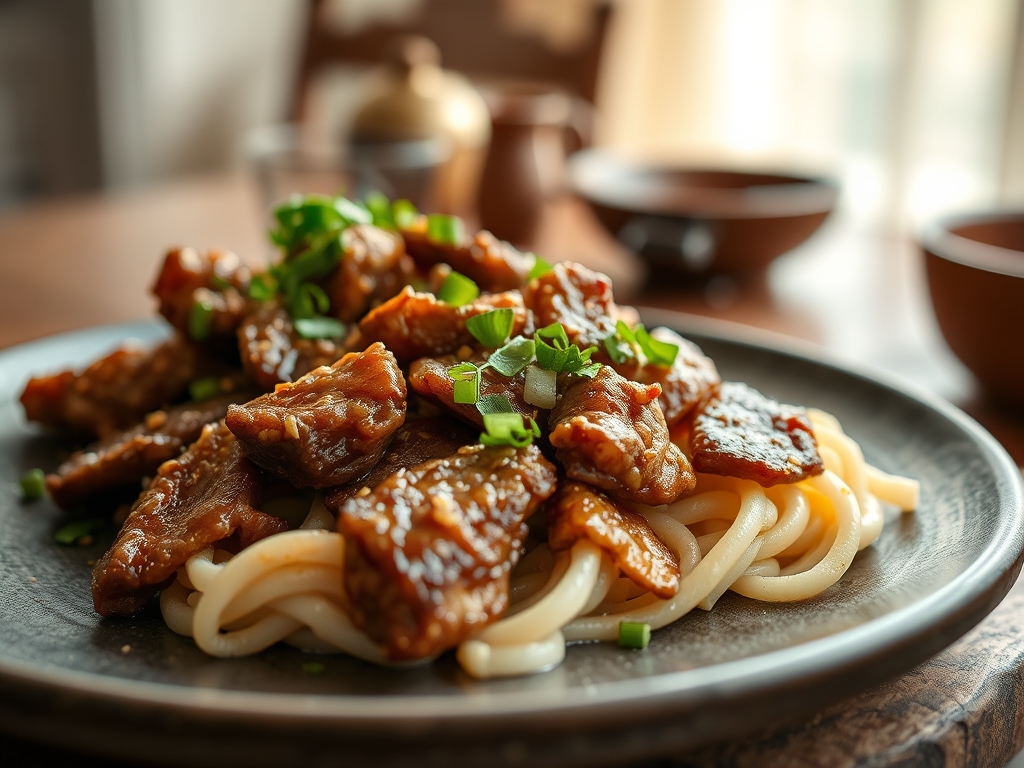
Picture the scene: a Tuesday night, the air is crisp, and your kitchen is filled with that intoxicating, nutty aroma that usually costs forty dollars plus tip at the local bistro. We have all been there, staring at a plastic container of soggy, lukewarm takeout and thinking that there must be a better way to achieve that perfect crunch. The secret to mastering sesame beef recipes at home lies in the intersection of high heat and chemistry. It is about transforming humble flank steak into a glass-shattered, sauce-slicked masterpiece that defies the laws of delivery physics. You do not need a commercial kitchen; you just need a few tactical shifts in your technique. By understanding how starch molecules hydrate and how sugars caramelize at specific temperatures, you can produce a dish that is far superior to anything in a cardboard box. We are going to deconstruct the process from the cellular level up to the final garnish. This is not just cooking; it is an exercise in texture, flavor, and culinary confidence. Grab your apron, because we are about to turn your stove into the hottest ticket in town.
The Gathers:
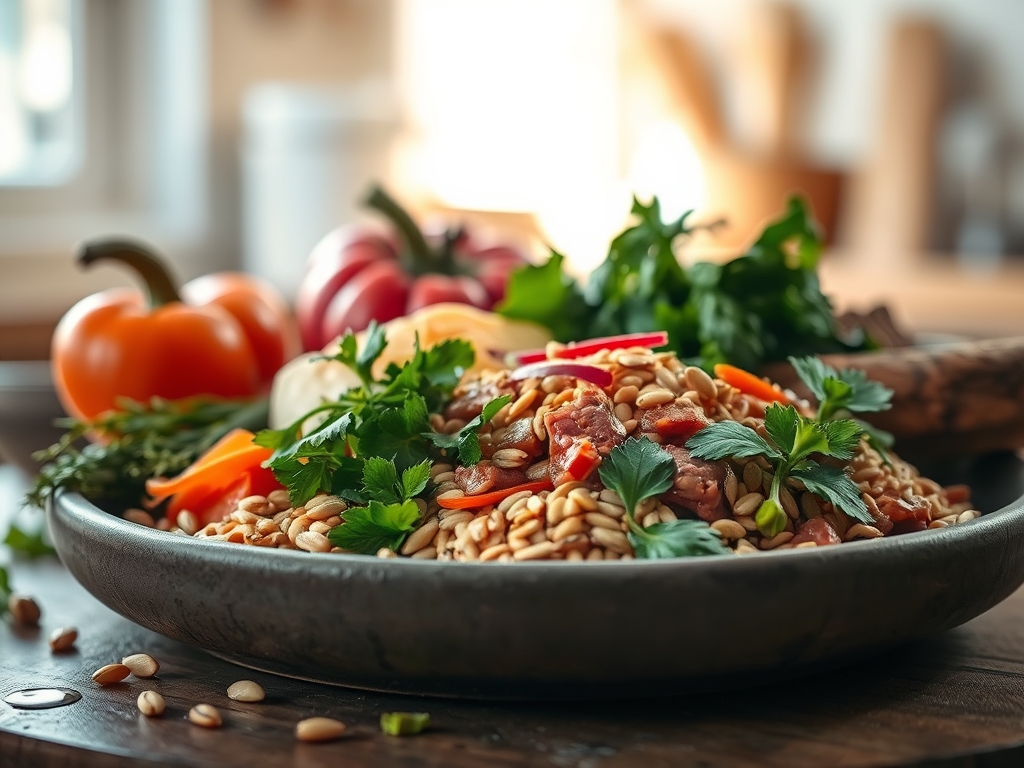
Setting up your station, or mise-en-place, is the difference between a controlled sear and a chaotic mess. For the protein, look for flank steak or top sirloin. These cuts possess long muscle fibers that, when sliced against the grain, provide the ideal surface area for sauce adhesion. You will need a digital scale to measure your cornstarch precisely; too much creates a gummy paste, while too little fails to provide that signature "snap." Your liquid gold consists of toasted sesame oil, low-sodium soy sauce, and rice vinegar. The aromatics are where the magic happens. Use a microplane to grate fresh ginger and garlic into a fine paste. This increases the surface area, allowing the essential oils to infuse the sauce almost instantly.
For the Smart Substitutions, if you are avoiding soy, coconut aminos offer a similar viscous quality with a slightly sweeter profile. If you lack toasted sesame oil, you can render the fats from toasted sesame seeds in a neutral oil like grapeseed to create a DIY infusion. Always keep a bowl of ice water nearby if you are blanching broccoli as a side; this shocks the chlorophyll to maintain a vibrant green hue.
The Clock: Chef's Flow
Timing is the silent ingredient in all successful sesame beef recipes. The total active cook time is remarkably short, usually under ten minutes, but the preparation requires a rhythmic "Chef's Flow." Dedicate twenty minutes to the "Cold Prep." This includes slicing the beef while it is slightly frozen to achieve paper-thin ribbons and whisking the sauce until the starch is fully suspended.
The "Heat Phase" moves fast. You will spend four minutes on the initial sear to achieve the Maillard reaction, two minutes for the aromatic bloom, and a final sixty seconds for the sauce to emulsify and thicken. If you try to chop garlic while the beef is in the pan, you will overcook the meat. Professional chefs rely on this staggered approach to ensure that every component reaches its peak texture simultaneously.
The Masterclass:
1. The Velvet Touch
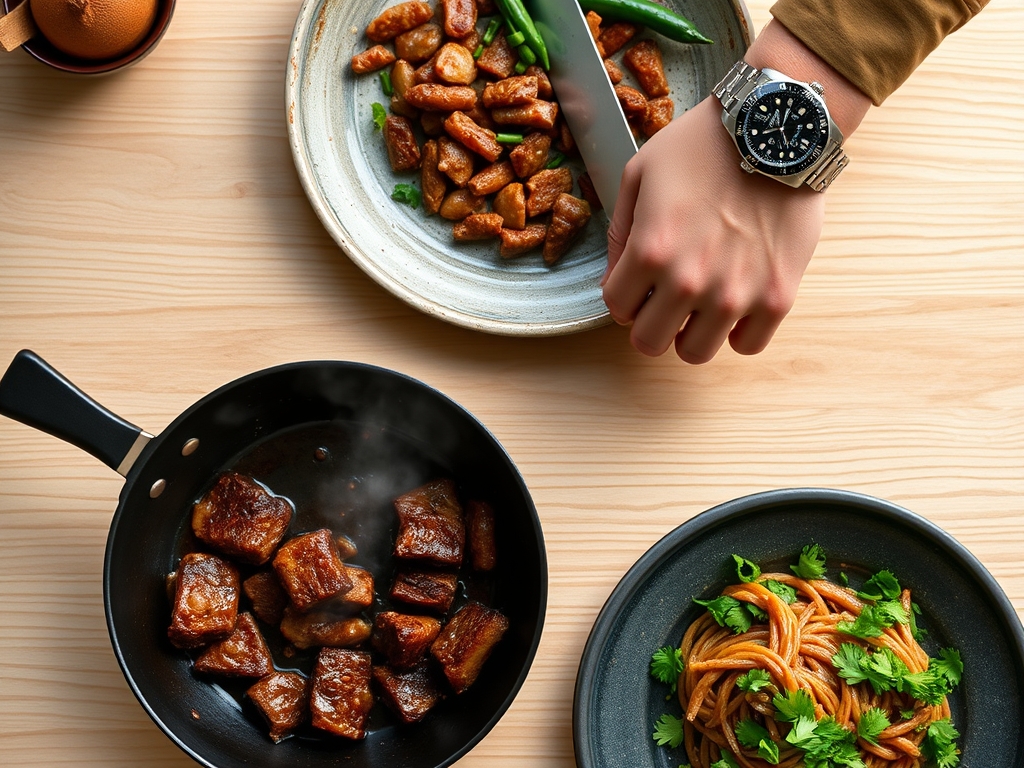
Before the beef ever hits the heat, it needs a coating of cornstarch, egg white, and a splash of oil. This technique, known as velveting, creates a protective barrier that prevents the proteins from tightening and becoming tough.
Pro Tip: The starch acts as an insulator against thermal carryover. By coating the meat, you ensure the interior remains tender even as the exterior reaches the high temperatures required for browning.
2. The High-Heat Sear
Use a heavy-bottomed skillet or a seasoned carbon steel wok. Get the oil shimmering until it reaches its smoke point. Add the beef in a single layer, resisting the urge to stir immediately. Use tongs to flip each piece once a deep mahogany crust has formed.
Pro Tip: This is the Maillard reaction in action. This chemical reaction between amino acids and reducing sugars creates hundreds of different flavor compounds that give the beef its "savory" depth.
3. The Aromatic Bloom
Push the beef to the perimeter of the pan and drop your ginger, garlic, and red pepper flakes into the center. This is the "bloom" phase where the heat releases the fat-soluble flavor compounds.
Pro Tip: Garlic contains sulfur compounds that can become bitter if scorched. By blooming them briefly in the center of the pan, you aerate the oils and create a fragrant base without burning the delicate solids.
4. The Deglaze and Emulsify
Pour your pre-mixed sauce into the pan. Use a saucier whisk or a wooden spoon to scrape up any browned bits (the fond) from the bottom. The sauce will go from watery to a thick, glossy glaze in seconds.
Pro Tip: As the sauce heats, the starch granules swell and burst, a process called gelatinization. This creates a viscous coating that clings to the beef rather than pooling at the bottom of the plate.
5. The Final Garnish
Turn off the heat before adding the toasted sesame seeds and sliced scallions. The residual heat is enough to wake up their flavors without wilting the greens.
Pro Tip: Adding sesame oil at the very end preserves its volatile aromatic compounds. High heat can destroy the delicate nutty notes, so a final "cold" drizzle ensures maximum sensory impact.
The Deep Dive:
From a Macro Nutrition perspective, sesame beef is a powerhouse of protein and zinc. To keep it lean, opt for eye of round and use a light hand with the sweetener. For Dietary Swaps, keto followers can replace cornstarch with glucomannan (konjac powder) and use monk fruit sweetener in the sauce. Vegans can substitute the beef with pressed extra-firm tofu or seitan; just ensure the protein is pressed dry to allow for proper searing.
The Fix-It: Three Common Pitfalls
- Soggy Beef: This happens when the pan is overcrowded, causing the meat to steam in its own juices. Fix: Cook in small batches to maintain high surface temperature.
- Broken Sauce: If the sauce looks oily and separated, it has overheated. Fix: Add a teaspoon of water and whisk vigorously to re-emulsify the fats.
- Overly Salty: Different soy sauce brands have varying sodium levels. Fix: Add a squeeze of lime juice; the acid masks the perception of saltiness.
For Meal Prep, the key to "day-one" quality is the reheating method. Avoid the microwave, which turns the coating rubbery. Instead, use a dry skillet over medium heat to re-crisp the edges, adding a tablespoon of water to loosen the sauce.
The Wrap-Up:
Mastering sesame beef recipes is about more than just following a list of ingredients; it is about controlling the physics of your kitchen. When you understand how to harness the power of a hot pan and the science of starch, you move from being a recipe-follower to a true home chef. This dish is vibrant, piquant, and incredibly satisfying to create. Go ahead and toss that takeout menu in the bin. You have the tools, the technique, and the "secrets" to make something infinitely better right on your own stove.
The Kitchen Table:
How do I make the beef extra crispy?
Dust the beef in cornstarch twice. Let the first layer hydrate for five minutes, then toss in a second coating right before frying. This creates a dual-layered crust that stays crunchy even after the sauce is applied.
Can I use chicken instead of beef?
Absolutely. Use boneless, skinless chicken thighs for the best flavor. Thighs have more fat and connective tissue than breasts, which allows them to stay juicy during the high-heat searing process required for this specific style of dish.
What is the best oil for high-heat frying?
Choose an oil with a high smoke point, such as avocado, peanut, or grapeseed oil. Avoid extra virgin olive oil or unrefined coconut oil, as they will smoke and develop off-flavors at the temperatures needed for a proper sear.
Why is my sauce not thickening?
The cornstarch must reach a simmering point to activate its thickening properties. If your sauce remains thin, ensure the liquid reaches a bubble. Also, always whisk your "slurry" immediately before adding it to the pan to prevent settling.