
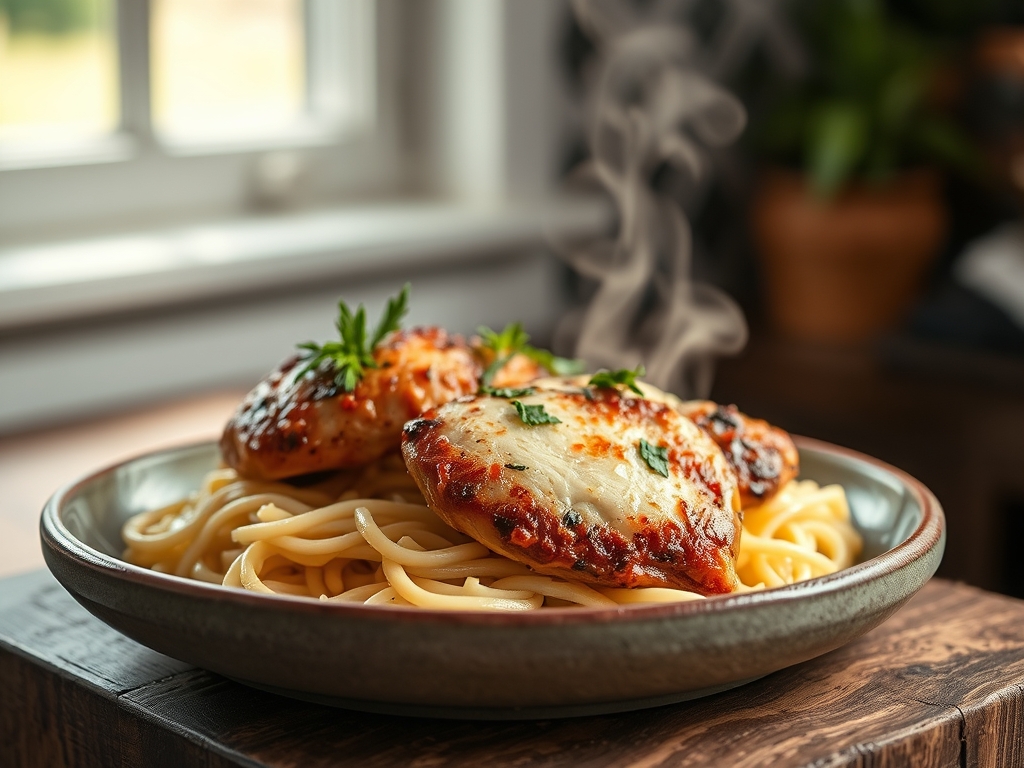
The cheese pulls in glossy ribbons from the skillet, a fragrant plume of sautéed onions and bell peppers rising as melted provolone meets browned chicken thighs. This is the soul of philly chicken recipes, a genre that hijacks the beloved sandwich blueprint and rebuilds it around juicy poultry instead of shaved ribeye. The result is faster, often leaner, and just as crave-worthy. These seven preparations span everything from cast-iron skillet melts to stuffed breasts and one-pan sheet dinners, each wielding the hallmark trio of peppers, onions, and molten cheese. Whether you're chasing weeknight efficiency or weekend showmanship, understanding the Maillard browning curves and cheese-melt thresholds will transform competent cooking into restaurant-caliber plates. Strip away the novelty and you're left with foundational technique: proper searing, moisture control, and strategic cheese application. Master those, and every iteration becomes effortless.
The Gathers
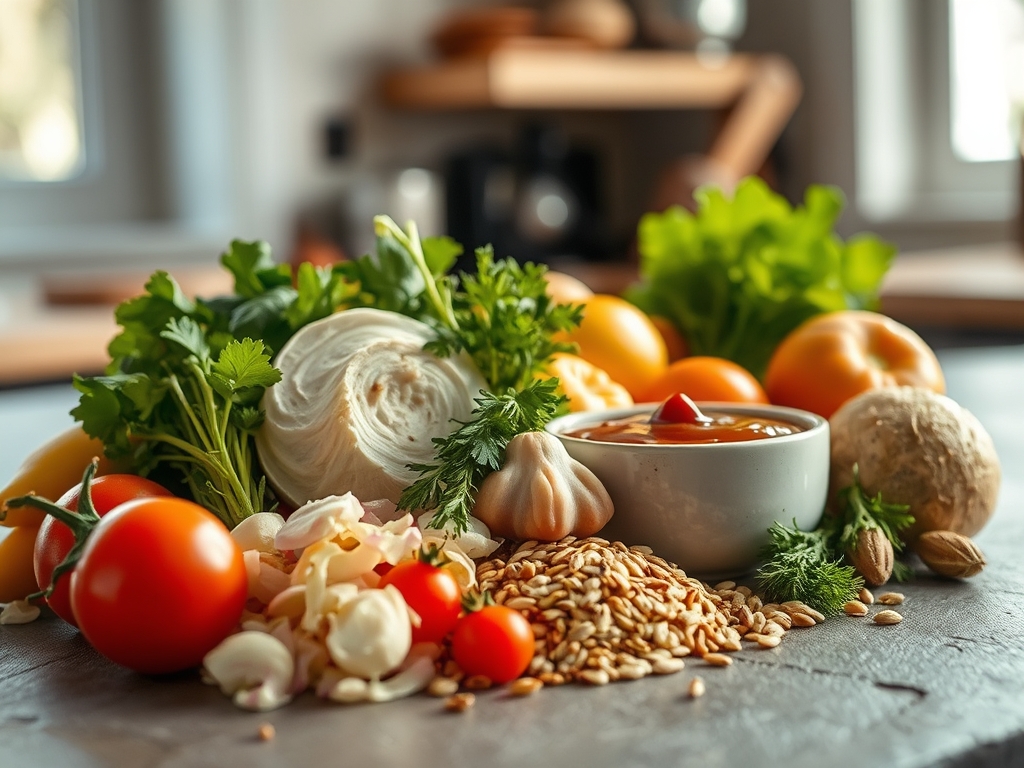
Lay out boneless, skinless chicken breasts (roughly 6–8 oz each), their surfaces patted bone-dry with paper towels to ensure caramelization. Beside them, one large yellow onion (julienned), two bell peppers (one green, one red, sliced into 1/4-inch strips), and four cloves of garlic (minced). The cheese selection matters: traditional provolone delivers sharp, melty pull, while white American offers creamier body. For binder and seasoning, gather Worcestershire sauce (1 tablespoon), kosher salt, black pepper, and smoked paprika. Neutral oil with a high smoke point (grapeseed or avocado, 2 tablespoons) prevents scorching during the sear.
As you see in the ingredient spread below, everything should be prepped before heat touches the pan. This is classic mise-en-place discipline, and it prevents the frantic scramble that leads to burnt garlic or unevenly cooked protein.
Smart Substitutions: Swap chicken thighs for breasts if you prefer darker meat's fault-tolerant richness. Use shallots instead of yellow onion for sweeter, more delicate allium notes. Dairy-averse cooks can deploy cashew-based provolone or nutritional-yeast-spiked béchamel for a surprisingly convincing melt.
The Clock
Prep Time: 15 minutes
Cook Time: 22 minutes
Total Time: 37 minutes
Chef's Flow: Slice vegetables while the chicken tempers at room temperature (10 minutes out of the fridge raises internal temp by 4–6°F, ensuring even cooking). Preheat your skillet during the final 3 minutes of prep so it hits 375°F the moment protein hits metal. Overlap tasks: while chicken rests post-sear, use that same pan to sweat the aromatics, capturing fond and minimizing cleanup.
The Masterclass
Step 1: Butterfly and Season the Chicken
Slice each breast horizontally, stopping 1/2 inch from the opposite edge, then open like a book. This butterflying increases surface area by roughly 40%, accelerating cook time and maximizing crust development. Season both sides with salt, pepper, and smoked paprika.
Why It Works: Uniform thickness (now about 3/4 inch) prevents the dreaded overcooked exterior, raw center phenomenon. The increased Maillard surface area translates directly to flavor compounds.
Step 2: Sear the Chicken
Heat oil in a 12-inch cast-iron skillet over medium-high until it shimmers (approximately 375°F). Lay chicken smooth-side down, resist all temptation to move it, and sear for 5 minutes. Flip, cook another 4 minutes until internal temp reads 155°F. Remove and tent with foil.
Chef's Secret: Pull at 155°F, not 165°F. Carryover cooking will add 5–7 degrees during the 5-minute rest, landing you perfectly at USDA-safe 165°F without dryness.
Step 3: Build the Pepper-Onion Base
In the same skillet (do not wipe it), add onions and peppers. Sauté over medium heat for 6 minutes, scraping up browned bits with a wooden spoon. Add garlic in the final 60 seconds.
Why It Works: Fond (those caramelized proteins stuck to the pan) contains concentrated umami. Deglazing with vegetable moisture reincorporates that flavor into the base.
Step 4: Integrate Worcestershire and Cheese
Drizzle Worcestershire over the vegetables, toss, then nestle the rested chicken back into the pan. Lay provolone slices across each breast, cover with a lid, and let residual heat melt the cheese for 2 minutes.
Chef's Secret: Provolone melts cleanly between 130–140°F. A lid traps steam, creating a mini-oven environment that melts cheese evenly without additional stovetop time that would toughen the chicken.
Step 5: Plate and Garnish
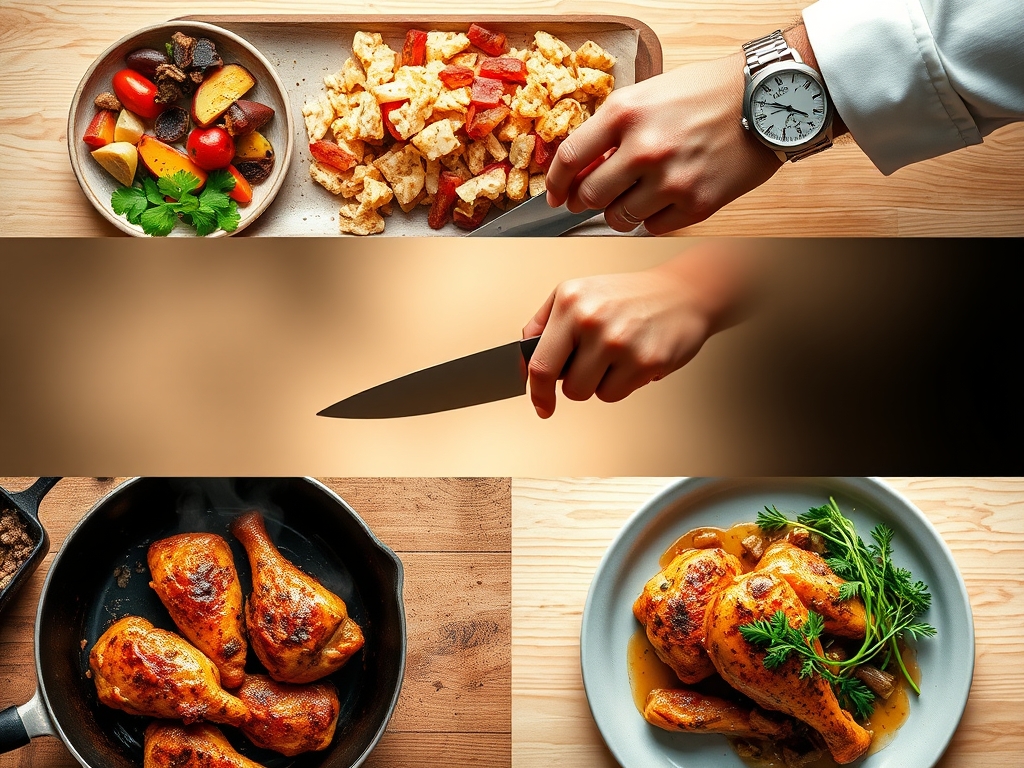
Note the texture shown in the step-by-step photos: glossy, cohesive, not greasy. Slide a spatula under each breast, lift with a generous scoop of peppers and onions, and finish with a pinch of flaky sea salt.
Why It Works: Flaky salt applied at service provides textural pop and salinity bursts that fine salt cannot replicate.
Nutritional Info
Per serving (1 chicken breast with vegetables and 1 oz cheese):
Calories: 340
Protein: 42g
Fat: 14g (Saturated: 6g)
Carbohydrates: 9g (Fiber: 2g, Sugars: 5g)
Sodium: 680mg
Lean protein dominates the macro profile. The moderate fat content comes almost entirely from cheese, making portion control straightforward.
Dietary Swaps
Keto: Replace bell peppers (higher sugar) with zucchini ribbons and double the cheese for increased fat.
Gluten-Free: This recipe is inherently gluten-free; just verify Worcestershire label (some brands use malt vinegar).
Vegan: Substitute chicken with thick-cut portobello caps (sear gill-side down first), use cashew cream cheese, and add liquid smoke for umami depth.
Serving & Presentation
- The Hoagie Deconstruction: Serve over toasted, split baguette halves, open-face style, with arugula underneath for peppery contrast.
- The Bowl Build: Nest chicken atop cilantro-lime cauliflower rice, ring with sautéed peppers, drizzle with chipotle crema.
- The Elegant Plate: Fan sliced chicken over creamy polenta, arrange peppers in a linear stack, finish with microgreens and balsamic reduction dots.
The Pro-Dodge
Pitfall 1: Rubbery Chicken
Cause: Overcooking past 170°F.
Fix: Invest in an instant-read thermometer. Pull at 155°F without fail.
Pitfall 2: Watery Vegetables
Cause: Crowding the pan or insufficient heat, causing steaming instead of sautéing.
Fix: Use a 12-inch skillet minimum. If necessary, sauté vegetables in two batches.
Pitfall 3: Cheese That Breaks or Oils Out
Cause: Excessive direct heat or low-quality cheese with stabilizers.
Fix: Turn off the burner before adding cheese. Let residual heat do the work. Choose deli-counter provolone, not pre-sliced.
The Meal Prep Corner
Storage: Cool completely, then portion into airtight glass containers. Refrigerate up to 4 days.
Reheating: Microwave on 50% power in 30-second intervals, adding a tablespoon of water to create steam and prevent drying. Alternatively, reheat in a covered skillet over low heat for 4 minutes.
Freezing: Wrap individual servings in plastic, then foil. Freeze up to 3 months. Thaw overnight in the fridge before reheating.
Day-one quality hinges on moisture retention. Never reheat on high, or you'll evaporate the juices you worked so hard to preserve.
The Wrap-Up
You now hold seven blueprints for turning simple chicken into something crave-worthy, using the Philly sandwich framework as your flavor North Star. Each method respects the fundamentals: dry surfaces for browning, proper resting for juice retention, and strategic cheese application for that iconic pull. Try the cast-iron skillet version first, then explore stuffed, grilled, or sheet-pan variations as your confidence grows. Share your plating photos in the comments, tag fellow home cooks who need weeknight inspiration, and let us know which cheese blend became your signature move.
The Kitchen Table
Can I use chicken thighs instead of breasts?
Absolutely. Thighs tolerate higher heat and longer cook times due to higher intramuscular fat. Adjust cook time to 6 minutes per side and pull at 165°F internal.
What if I don't have Worcestershire sauce?
Substitute with equal parts soy sauce and balsamic vinegar. The umami and acid balance will be similar, though slightly less complex.
How do I prevent the cheese from sliding off during plating?
Let the cheese melt fully with the lid on, then rest 1 minute uncovered. This brief cooling allows the cheese to "set" slightly and adhere to the chicken.
Can I make this recipe on a grill?
Yes. Grill chicken over direct medium-high heat (400°F) for 4–5 minutes per side. Move to indirect heat, top with cheese, close the lid, and let melt for 2 minutes.
What's the best way to slice the vegetables uniformly?
Use a mandoline set to 1/4 inch for peppers and onions, or practice your knife skills with the "claw" grip and consistent downward slices. Uniform cuts ensure even cooking.