
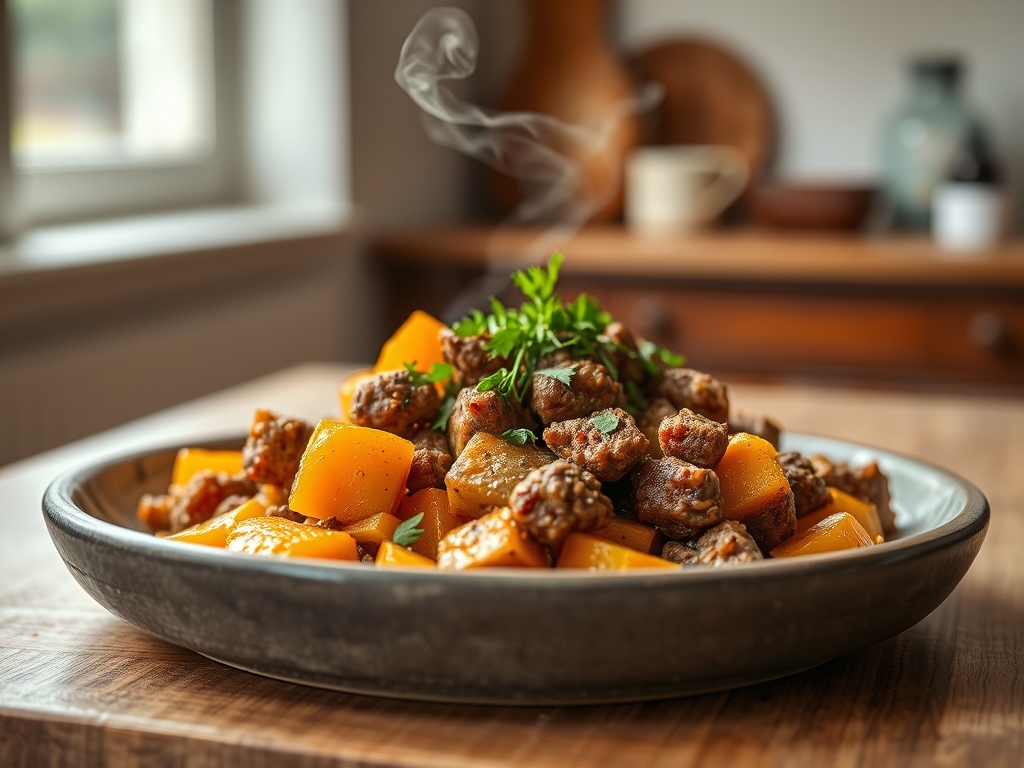
Imagine the scent of caramelized sugars meeting the primal, savory aroma of searing fat. When you master butternut squash and ground beef recipes, you are playing with a sophisticated balance of earthy sweetness and rich umami. It is the ultimate culinary handshake between autumn harvest and high protein comfort, perfect for chilly weeknights or elegant dinner parties.
The magic happens when the natural starches in the squash undergo the Maillard reaction alongside the beef. This is not just a simple meal; it is a lesson in flavor layering. As the beef renders its lipids, the porous flesh of the squash absorbs that liquid gold, transforming from a firm vegetable into a velvet-textured masterpiece. We are moving beyond basic stews into a realm where texture and temperature reign supreme. Whether you are stuffing the squash like a rustic bowl or tossing cubes into a piquant skillet hash, the goal is always the same: a harmonious bite that feels both indulgent and incredibly nourishing. Get your heavy-bottomed skillet ready. We are about to turn these humble ingredients into a five-star experience that will have your friends begging for the secret.
The Gathers:
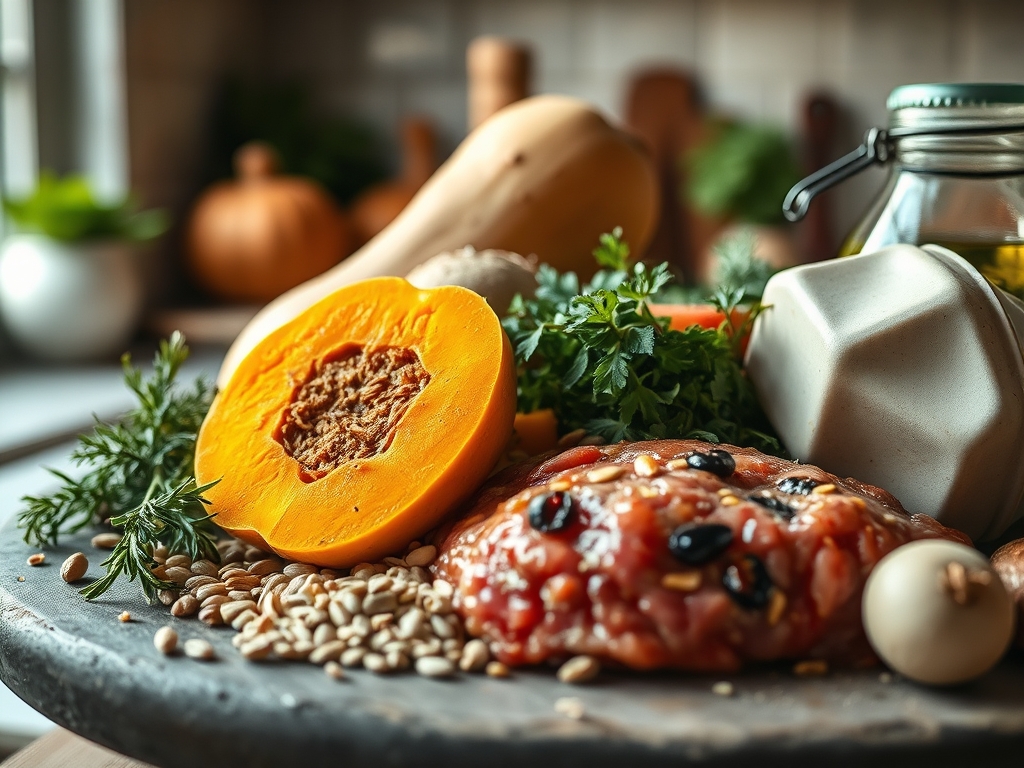
Before we ignite the burners, we must assemble our mise-en-place with precision. You will need two pounds of lean ground beef; ideally a 90/10 blend to ensure enough fat for flavor without making the dish greasy. For the squash, look for a specimen that feels heavy for its size, indicating high moisture content. You will also need a sharp chef knife to navigate that tough outer rind and a sturdy vegetable peeler.
The aromatic base requires one large yellow onion, four cloves of garlic, and fresh sage. Sage contains volatile oils that pair beautifully with the sweetness of the squash. Grab your microplane for grating fresh nutmeg; this is the secret ingredient that bridges the gap between the savory meat and the sugary vegetable. You will also need high-quality sea salt, cracked black pepper, and a splash of balsamic vinegar to provide a necessary acidic lift.
Smart Substitutions: If you are looking to lighten the profile, ground turkey or bison works beautifully. For the squash, kabocha or red kuri squash are excellent alternatives because they offer a similar starchy density. If you lack fresh herbs, use one-third the amount of dried herbs, as their flavor is more concentrated. Always keep a bottle of dry sherry or white wine nearby to deglaze the pan and capture every bit of developed flavor.
The Clock
Efficiency in the kitchen is about the Chef's Flow. Expect about 20 minutes of active prep time. This includes peeling, cubing, and dicing. The cook time will vary between 30 to 45 minutes depending on your chosen method. If you are roasting the squash separately to achieve maximum caramelization, factor in that extra oven time.
The flow is simple: start your squash first. While the squash begins its thermal journey, you focus on the beef. By the time the meat is perfectly browned and the aromatics are translucent, the squash will be tender enough to join the party. This overlapping timeline ensures that no component sits too long and loses its structural integrity.
The Masterclass
1. Prep the Squash Geometry
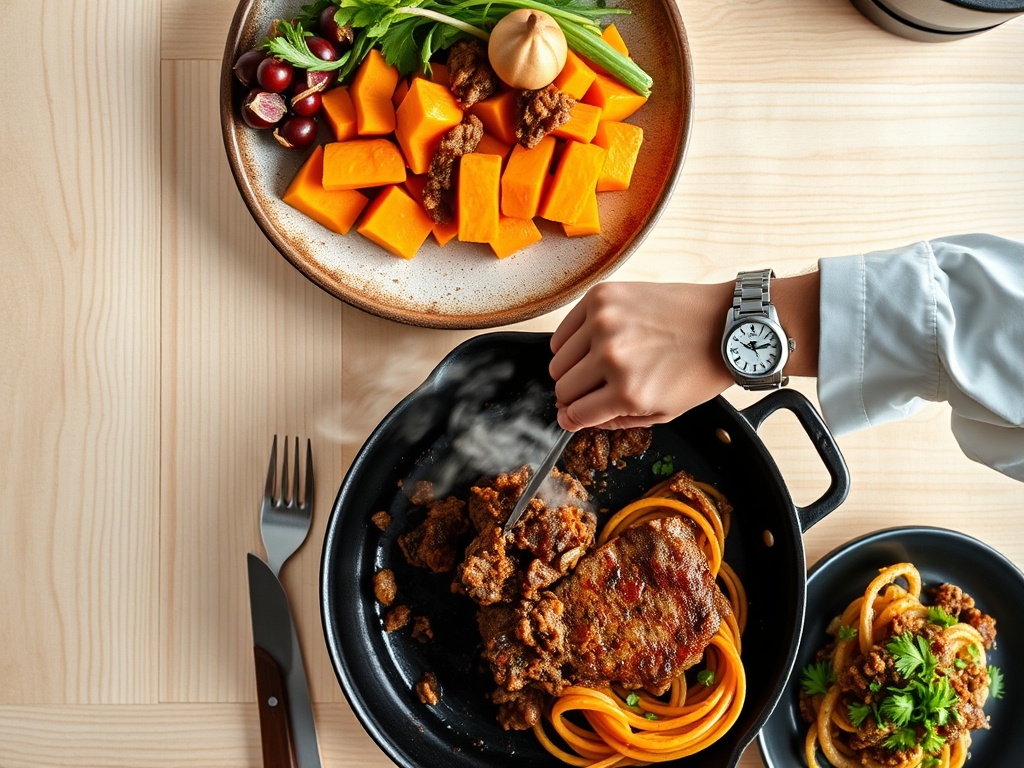
Use a sharp knife to slice the ends off the squash, then peel the skin until you reach the vibrant orange flesh. Cut it into uniform 1/2-inch cubes. Uniformity is not just for aesthetics; it ensures every piece cooks at the same rate.
Pro Tip: Cutting squash into smaller, even cubes increases the surface area. This promotes faster enzymatic browning, allowing the natural sugars to caramelize before the interior becomes mushy.
2. Sear the Protein
Heat your heavy-bottomed skillet over medium-high heat. Add the ground beef, breaking it apart with a wooden spoon or a bench scraper. Do not overcrowd the pan. You want to hear a sizzle, not a simmer.
Pro Tip: Avoid stirring the meat constantly. Letting it sit undisturbed for three minutes allows the Maillard reaction to occur, creating those brown, flavorful crusts that define a professional-grade dish.
3. Render and Deglaze
Once the beef is browned, move it to the side and add your onions. As they soften, they will release moisture. Use this liquid to scrape up the brown bits (fond) from the bottom of the pan.
Pro Tip: This process of deglazing incorporates the concentrated beef essence back into the base of the sauce, ensuring no flavor is wasted.
4. Infuse the Aromatics
Add your minced garlic, chopped sage, and a grating of fresh nutmeg. Stir for only 60 seconds until the scent becomes fragrant. Garlic has a low scorch point, so keep it moving.
Pro Tip: Fat is a flavor carrier. By adding spices directly to the rendered beef fat, you are blooming the spices, which releases fat-soluble compounds that water-based liquids cannot extract.
5. The Marriage of Ingredients
Add the squash cubes to the skillet. If the pan looks dry, add a tablespoon of olive oil or a splash of beef bone broth. Cover the pan with a tight-fitting lid to trap steam.
Pro Tip: This uses conduction from the pan and convection from the steam to soften the squash without drying out the beef.
6. The Final Reduction
Remove the lid and turn the heat up slightly. Add a splash of balsamic vinegar or lemon juice. Toss the mixture until any excess liquid has evaporated and the squash is coated in a viscous glaze.
Pro Tip: This final hit of acid balances the richness of the beef and the sweetness of the squash, creating a rounded flavor profile on the palate.
7. Resting the Dish
Remove from heat and let the skillet sit for five minutes before serving. Use tongs to gently fluff the mixture.
Pro Tip: Thermal carryover will continue to cook the squash slightly. Resting allows the muscle fibers in the beef to reabsorb juices, ensuring a moist final product.
The Deep Dive
From a macro perspective, butternut squash and ground beef recipes are a powerhouse. You are getting high-quality protein, complex carbohydrates, and a massive dose of Vitamin A and potassium. It is a dense, satiating meal that keeps blood sugar stable.
For my Keto friends, simply reduce the ratio of squash and increase the beef and healthy fats like grass-fed butter. For a Vegan twist, swap the beef for a walnut and lentil crumble seasoned with liquid smoke to mimic that savory depth. If you are Gluten-Free, you are already in the clear, as this dish relies on whole-food density rather than flour thickeners.
The Fix-It:
- Mushy Squash: You likely overcrowded the pan or added water too early. Next time, roast the squash at 400 degrees for 15 minutes before adding it to the beef.
- Greasy Finish: If your beef released too much liquid, use a saucier or spoon to remove excess fat before adding the vegetables.
- Bland Flavor: You need more acid. A teaspoon of Dijon mustard or a squeeze of lime can brighten a "flat" tasting dish instantly.
Meal Prep: To maintain "day-one" quality, store the mixture in airtight glass containers. When reheating, add a teaspoon of water and cover with a damp paper towel. This creates a micro-steam environment in the microwave, preventing the beef from becoming rubbery.
The Wrap-Up
There you have it, a masterclass in one of the most comforting flavor duos in the culinary world. Mastering butternut squash and ground beef recipes is all about respecting the science of the sear and the timing of the squash. It is a versatile, nutrient-dense base that you can dress up with feta cheese or keep simple with cracked pepper. Now, grab your digital scale, prep those aromatics, and go claim your title as the queen of the kitchen. Your taste buds will thank you.
The Kitchen Table
Can I use frozen butternut squash for these recipes?
Yes, but thaw and pat them dry first. Frozen squash has broken cell walls, meaning it softens faster. Add it during the last ten minutes of cooking to prevent it from turning into a puree in the skillet.
What is the best beef-to-squash ratio?
A 1:1 ratio by weight is ideal for a balanced meal. This ensures every forkful has a perfect distribution of savory beef and sweet squash. Use a digital scale for the most accurate results during prep.
How do I stop the beef from drying out?
Do not overwork the meat or cook it on high heat for too long. Browning it quickly and then finishing it with the lid on allows the moisture from the squash to keep the beef proteins hydrated and tender.
Can I make this in a slow cooker?
You can, but you will lose the caramelization. If using a slow cooker, sear the beef in a skillet first to develop the flavor, then add everything to the crock on low for four hours.
What herbs go best with this duo?
Sage, rosemary, and thyme are the classic trio. They contain woody notes that complement the earthiness of the squash. For a brighter, modern twist, try finishing the dish with fresh cilantro and a dash of cumin.