
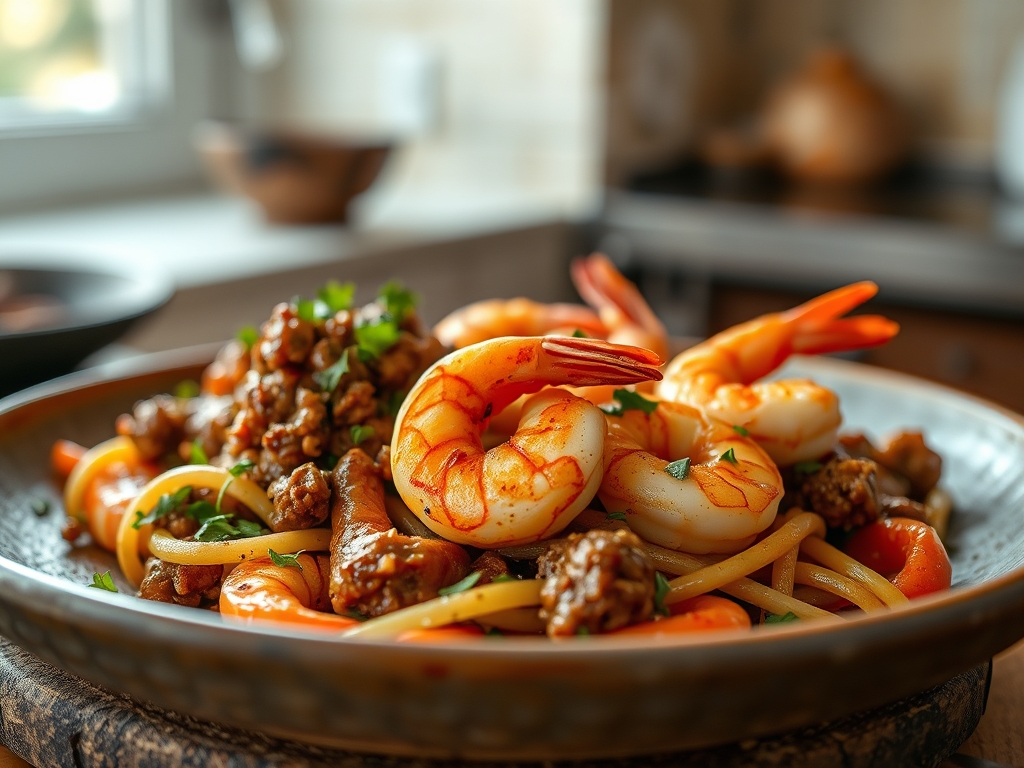
The scent of sizzling fat hitting a hot cast iron surface is a universal siren song. While traditional surf and turf often leans on the expensive luxury of filet mignon and lobster tails, there is a gritty, soulful, and incredibly flavorful world waiting for you in the realm of shrimp and ground beef recipes. This combination is the ultimate culinary hack; it pairs the snappy, oceanic sweetness of crustaceans with the deep, savory umami of rendered beef fat. We are moving beyond the basic burger and into a territory where texture and temperature reign supreme. Imagine a spicy beef ragu topped with butter-poached prawns or a Southeast Asian stir-fry where the beef provides the bass note and the shrimp provides the melody. It is approachable, decadent, and surprisingly fast to execute when you understand the chemistry of the pan.
The Gathers:
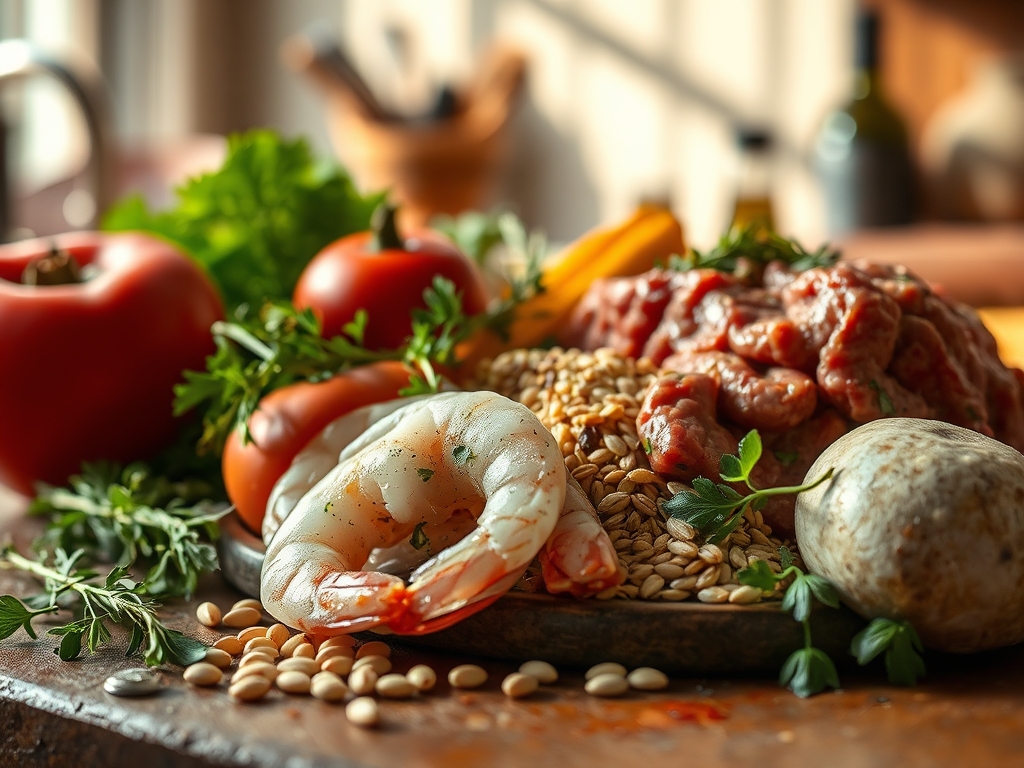
To master these shrimp and ground beef recipes, your mise-en-place must be precise. Start with a high-quality ground beef, preferably an 80/20 blend. This ratio is critical because the 20 percent fat content provides the viscous mouthfeel needed to balance the lean, muscular structure of the shrimp. For the shrimp, seek out "dry" scallops or wild-caught prawns; avoid those treated with sodium tripolyphosphate, as they will weep excess moisture and prevent a proper sear.
You will need a heavy-bottomed skillet or a seasoned carbon steel pan to facilitate even heat distribution. Your aromatics should include fresh garlic and ginger, processed with a microplane to create a fine paste that integrates seamlessly into the rendering fat. For the liquid components, keep a high-quality fish sauce and a bottle of dry sherry or Shaoxing wine nearby to deglaze the fond.
Smart Substitutions: If you are looking to lighten the profile, ground turkey can stand in for beef, though you must add a teaspoon of Worcestershire sauce to mimic the beefy umami. For the shellfish, if shrimp are unavailable, bay scallops offer a similar protein density and cooking time. If you require a nightshade-free heat, swap chili flakes for white pepper to provide a piquant bite without the capsicum.
The Clock
Efficiency in the kitchen is about "Chef's Flow," a state where your movements are dictated by the thermal properties of your ingredients. For most shrimp and ground beef recipes, the active prep time is approximately 15 minutes. This involves the "chopping phase" where you use a bench scraper to organize your aromatics and proteins.
The cooking phase is remarkably brief, usually spanning 12 to 18 minutes. The beef requires the most time to render and develop a crust through the Maillard reaction. The shrimp, conversely, are the "finishers," requiring only 2 to 3 minutes of contact with high heat. Total time from fridge to table is roughly 30 minutes. The flow follows a strict hierarchy: sear the beef, remove it to prevent overcooking, sauté the aromatics, deglaze the pan, and finally, fold the beef back in with the raw shrimp to let the residual heat do the heavy lifting.
The Masterclass
1. The Maillard Foundation
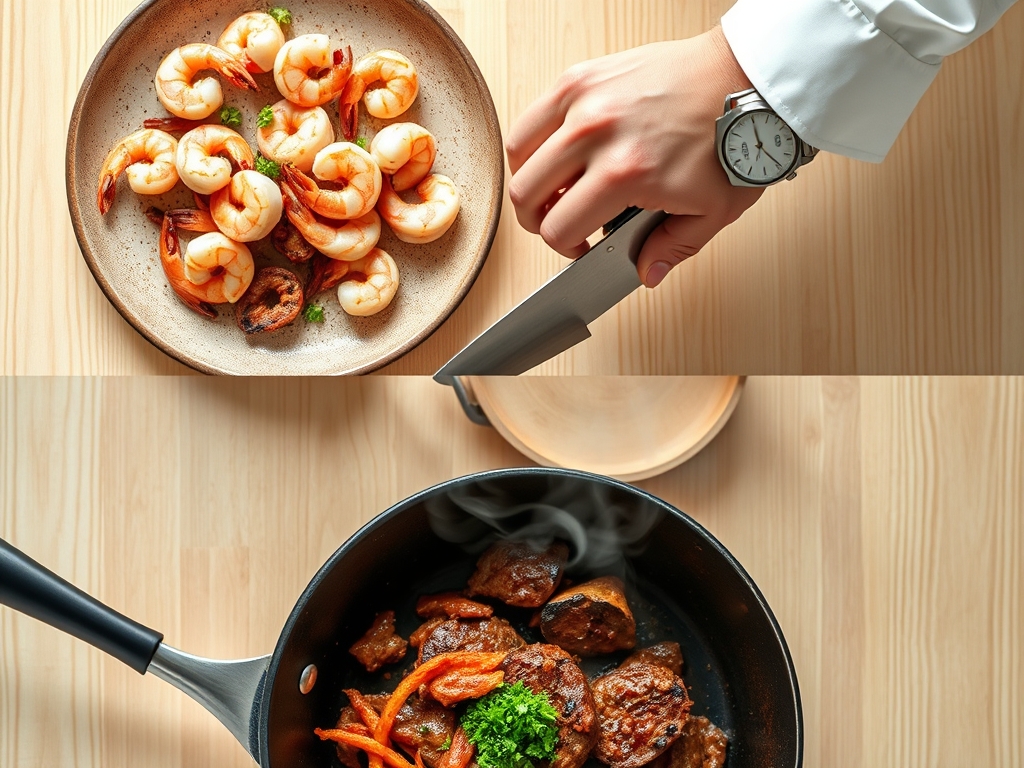
Heat your skillet until it reaches approximately 400 degrees Fahrenheit. Crumble the ground beef into the pan in large chunks rather than breaking it down immediately. Let it sit undisturbed for three minutes to allow for enzymatic browning.
Pro Tip: This resistance to stirring allows for the Maillard reaction to occur. This chemical reaction between amino acids and reducing sugars creates hundreds of different flavor compounds that give the meat its savory depth.
2. Rendering and Degreasing
Once the beef has developed a dark brown crust, use your tongs or a stiff spatula to break it into smaller pieces. If the fat pool exceeds two tablespoons, use a spoon to remove the excess, but do not wipe the pan clean.
Pro Tip: Fat is a primary conductor of flavor. By leaving a thin layer of rendered tallow, you create a medium for fat-soluble vitamins and aromatics to infuse throughout the entire dish.
3. The Aromatic Infusion
Push the beef to the perimeter of the pan, creating a "hot zone" in the center. Add your microplaned garlic, ginger, and shallots. Stir rapidly for 45 seconds until the scent becomes intoxicating but before the garlic turns bitter.
Pro Tip: Garlic contains allicin, which is released when the cell walls are ruptured. Heating it briefly in fat mellows the sharp sulfurous bite into a sweet, nutty profile.
4. Deglazing the Fond
Pour in your liquid of choice, such as beef stock or a splash of citrus juice. Use your spatula to scrape the "fond," those caramelized brown bits stuck to the bottom of the pan, back into the sauce.
Pro Tip: Deglazing is a thermodynamic process that lifts flavor molecules off the metal and suspends them in a liquid. This ensures that no flavor is lost to the sink during cleanup.
5. The Shrimp Integration
Add the cleaned, deveined shrimp to the pan. Spread them out so each one has direct contact with the heat. Flip them once they turn opaque halfway up the side.
Pro Tip: Shrimp are mostly water and protein. Excessive heat causes the protein fibers to contract tightly, squeezing out moisture and resulting in a rubbery texture. Aim for a "C" shape, not an "O" shape.
6. The Emulsified Finish
Turn off the heat and add a tablespoon of cold butter or a splash of heavy cream. Swirl the pan vigorously until the fat incorporates into the pan juices.
Pro Tip: This creates a temporary emulsification. The cold fat binds with the water-based pan sauce, creating a glossy, viscous coating that clings to the beef and shrimp.
The Deep Dive
From a nutritional standpoint, shrimp and ground beef recipes are protein powerhouses. A standard serving provides roughly 35 grams of protein, essential for muscle repair. To keep it Keto, serve this over cauliflower rice or sautéed cabbage. For a Vegan alternative, use crumbled tempeh and king oyster mushroom "scallops" seasoned with dulse flakes for that oceanic salinity. Those following a Gluten-Free protocol should ensure their soy sauce is replaced with tamari or coconut aminos.
The Fix-It:
- Rubbery Shrimp: This is caused by overcooking. Fix it by immediately removing the shrimp from the pan and tossing them with a teaspoon of olive oil to stop the thermal carryover.
- Greasy Sauce: If the fat has separated, whisk in a tablespoon of warm water or stock to re-emulsify the liquid.
- Bland Beef: If the meat lacks punch, add a squeeze of lime or a drop of fish sauce. The acidity and salt will brighten the heavy fats.
Meal Prep Science: When reheating, avoid the microwave. The high-frequency waves vibrate water molecules too violently, toughening the shrimp. Instead, use a saucier over low heat with a tablespoon of water. Cover with a lid to create a steam chamber, which gently warms the proteins without re-cooking them.
The Wrap-Up
Mastering the combination of beef and shrimp is like learning a new language; once you understand the grammar of the pan, you can say anything. These recipes prove that you do not need a massive budget to create a meal that feels like a celebration. By focusing on the science of the sear and the timing of the proteins, you transform humble ground beef and frozen shrimp into a gourmet experience. Now, grab your skillet, trust your nose, and go create something spectacular.
The Kitchen Table
Can I cook frozen shrimp directly with the beef?
No, always thaw shrimp first. Excess ice crystals will steam the beef instead of searing it, leading to a gray, boiled texture rather than a flavorful crust. Pat them dry with a paper towel before adding them to the pan.
What is the best ground beef for surf and turf?
An 80/20 ground chuck is ideal. The fat content provides the necessary lubrication for the lean shrimp and creates a rich pan sauce when deglazed with wine or stock. Leaner blends can result in a dry mouthfeel.
How do I know when the shrimp are perfectly cooked?
Look for the "C" shape. A perfectly cooked shrimp forms a gentle curve. If it curls into a tight "O," it is overcooked and will likely be rubbery. The color should be opaque white with pink accents.
Can I store leftovers for meal prep?
Yes, store in an airtight container for up to two days. To maintain quality, reheat gently on the stovetop rather than the microwave to prevent the shrimp from becoming tough and the beef fat from separating.