
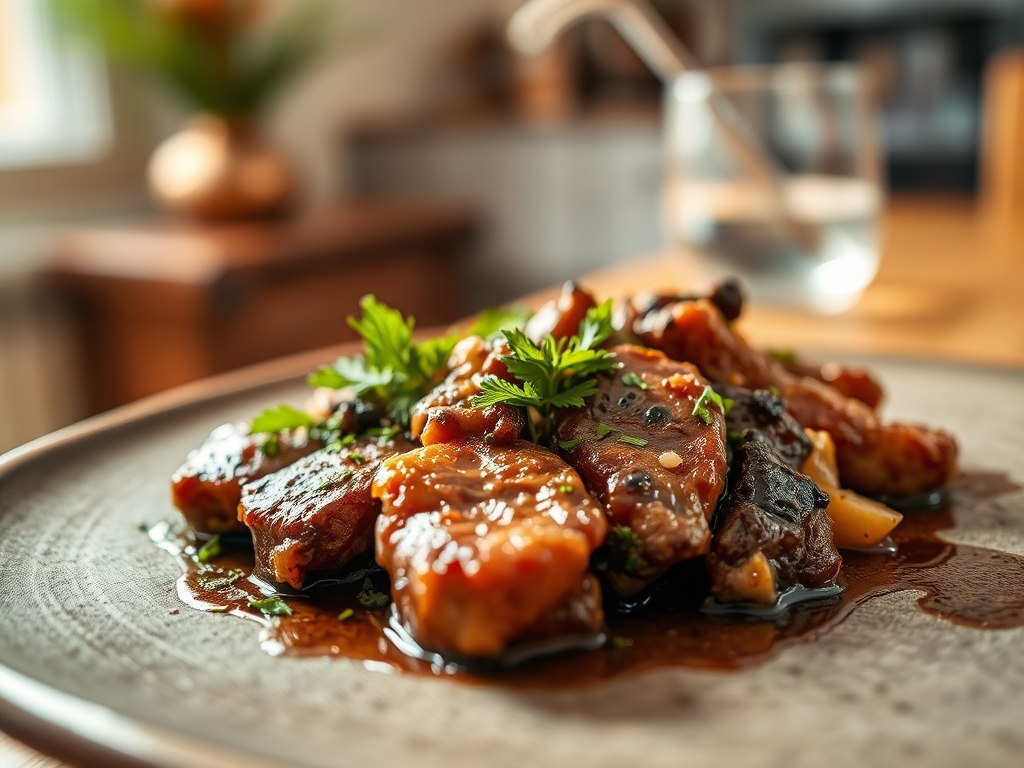
Imagine the scent of scorched cinnamon and rendered fat swirling through a sun-drenched kitchen while a heavy-bottomed skillet hisses on the stove. This is the sensory heartbeat of the Mediterranean. When you master these greek beef recipes, you are not just cooking; you are orchestrating a complex chemical symphony of spices, acids, and premium proteins.
The secret to that authentic, deep flavor lies in the marriage of high-heat searing and patient, low-temperature braising. Greek cuisine treats beef as a canvas for bold aromatics like oregano, garlic, and clove. Whether you are layering a silky bechamel over spiced meat for Moussaka or skewering tender cubes for Souvlakia, the goal is always the same: maximum succulence. We are going to dive into the molecular magic that turns a humble chuck roast into a fork-tender masterpiece that tastes like a summer night in Athens.
The Gathers:
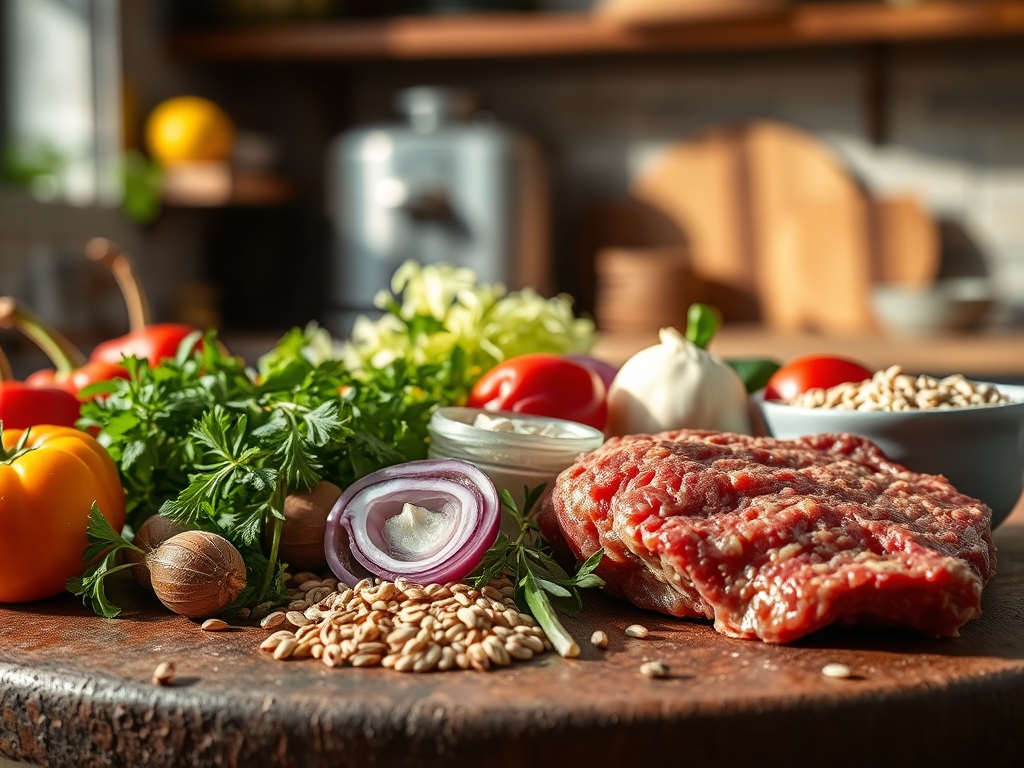
To execute these recipes with professional precision, your mise-en-place must be impeccable. You will need high-quality grass-fed beef, which offers a more complex fatty acid profile than grain-fed alternatives. Gather your microplane for zesting lemons and grating fresh nutmeg; the fine blades ensure the essential oils are released without the bitter pith. You will also need a saucier for whisking emulsions and a digital scale to ensure your spice blends are balanced to the gram.
Smart Substitutions:
If you cannot find traditional Kefalotyri cheese for topping your beef dishes, a mixture of Pecorino Romano and Parmesan provides a similar salty, piquant punch. For those avoiding nightshades, replace tomato paste with a reduction of roasted red peppers and a splash of red wine vinegar to mimic the acidity and viscous texture. If you are out of fresh oregano, remember that dried herbs are more potent; use a one-to-three ratio to avoid overpowering the delicate notes of the beef.
The Clock:
Efficiency in the kitchen is about understanding the "Chef's Flow." For these seven classics, you should allocate approximately 45 minutes for active prep and 2 to 3 hours for passive cooking. The flow begins with the Maillard reaction; you must sear your meat early to develop those savory crusts. While the beef braises or marinates, you utilize that "down time" to prepare cold components like Tzatziki or to aerate your bechamel.
Prep Time: 45 Minutes
Cook Time: 2.5 Hours
Total Time: ~3 Hours 15 Minutes
The "Flow" ensures that by the time the beef has finished its thermal carryover resting period, your sides are chilled and your sauces are reduced. Never rush the cooling phase; resting allows the muscle fibers to reabsorb juices, ensuring every bite is moist rather than dry.
The Masterclass:
1. The Sear and Fond Development
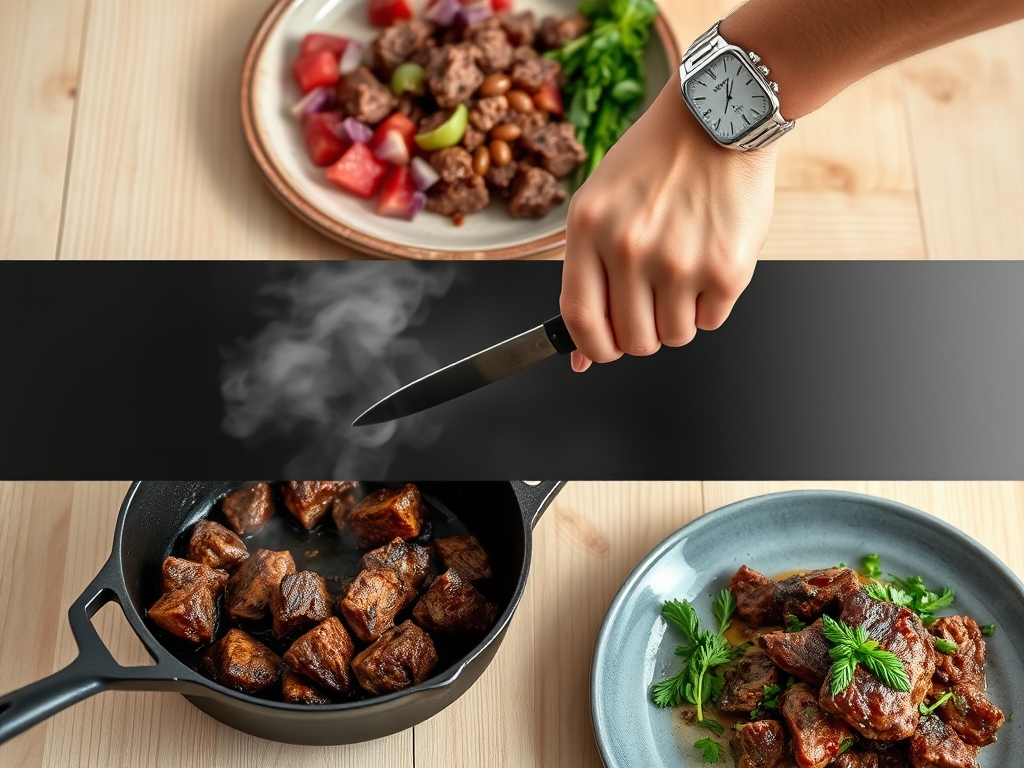
Place your beef in a preheated heavy-bottomed skillet with high-smoke-point oil. Do not crowd the pan; this prevents steaming. Use tongs to turn the meat only once a deep brown crust has formed.
Pro Tip: This is the Maillard reaction in action. The heat rearranges amino acids and sugars to create hundreds of flavor compounds. If you move the meat too early, you lose the fond, those delicious browned bits stuck to the pan.
2. Deglazing the Aromatics
After removing the meat, toss in minced garlic and onions. Use a wooden spoon or bench scraper to loosen the fond as you pour in a splash of dry red wine or beef stock.
Pro Tip: Deglazing is a solvent-based extraction. The alcohol or water dissolves the caramelized proteins, integrating them into a rich, complex base for your sauce or stew.
3. The Low and Slow Braise
For dishes like Stifado, submerge the beef in a liquid infused with cinnamon, cloves, and bay leaves. Cover tightly and simmer on the lowest setting.
Pro Tip: This stage relies on the breakdown of collagen into gelatin. Maintaining a temperature between 160F and 180F ensures the connective tissue melts without toughening the muscle fibers.
4. Emulsifying the Sauces
When creating a lemon-tahini or egg-lemon (Avgolemono) finish for your beef, slowly temper the hot liquid into the cold emulsion.
Pro Tip: Tempering prevents the proteins in the egg or tahini from curdling. By gradually increasing the temperature, you create a smooth, stable suspension of fats and liquids.
5. The Aerated Topping
For Moussaka or Pastitsio, whisk your bechamel vigorously with a balloon whisk until it is light and holds its shape.
Pro Tip: Aeration introduces tiny air bubbles that expand during baking. This results in a soufflé-like texture that contrasts beautifully with the dense, savory beef layer below.
6. The Skewer Technique
For Souvlaki, thread marinated beef onto skewers, ensuring small gaps between pieces for even airflow.
Pro Tip: Proper spacing allows for convective heat to cook the sides of the meat. If the pieces are packed too tightly, the centers will remain raw while the outsides overcook.
7. The Resting Period
Once the beef reaches your target internal temperature, remove it from the heat and tent it loosely with foil for at least ten minutes.
Pro Tip: Resting allows the internal pressure to equalize. This prevents the juices from rushing out the moment you slice into the meat, preserving the "mouthfeel" and moisture content.
The Deep Dive:
From a nutritional standpoint, these greek beef recipes are powerhouses of bioavailable iron, B12, and zinc. A standard serving contains roughly 35g of protein and 15g of healthy fats, especially if you use olive oil as your primary lipid. For those on a Keto path, simply omit the potatoes or pasta and double down on the zucchini and eggplant layers. Vegan friends can swap beef for a mix of lentils and minced mushrooms, which mimic the umami profile of browned meat.
The Fix-It:
- Tough Meat: If the beef is rubbery, it likely did not braise long enough. Add a splash of water and continue simmering for another 30 minutes.
- Broken Sauce: If your lemon-egg sauce curdles, quickly whisk in a tablespoon of boiling water or use an immersion blender to re-emulsify the fats.
- Bland Base: If the flavor is flat, it needs acid. A squeeze of fresh lemon or a teaspoon of red wine vinegar will brighten the heavy protein notes.
Meal Prep: To maintain "day-one" quality, reheat beef in a covered dish with two tablespoons of water. This creates a steam chamber that prevents the proteins from becoming "leathery" in the microwave or oven.
The Wrap-Up:
You are now equipped with the technical prowess to turn a simple grocery list into a legendary Greek feast. Cooking is as much about the chemistry of the pan as it is about the love you put into the seasoning. Use your tools, trust the science of the sear, and don't be afraid to let those aromatics infuse your kitchen with the spirit of the Mediterranean. Now, grab your tongs and let's get cooking!
The Kitchen Table:
How do I make Greek beef extra tender?
The secret is a long, low-temperature braise. This process allows the tough collagen in the beef to transform into silky gelatin. Always rest your meat for ten minutes after cooking to ensure the juices redistribute throughout the fibers.
What is the best cut of beef for Greek stews?
Chuck roast or beef shin are ideal. These cuts contain high amounts of connective tissue. When cooked slowly in acidic environments like tomato or wine, they break down into incredibly tender, flavorful morsels that define classic Greek comfort food.
Can I make these recipes in a slow cooker?
Yes, you can adapt most Greek beef recipes for a slow cooker. Always sear the meat in a skillet first to trigger the Maillard reaction. This ensures you don't lose the deep, savory complexity that only high-heat browning can provide.
Why is my bechamel sauce lumpy?
Lumps occur when flour particles hydrate unevenly. To fix this, whisk your flour and butter into a smooth roux first. Then, add your milk very gradually, whisking constantly to create a stable, velvety emulsion before adding the remaining liquid.