
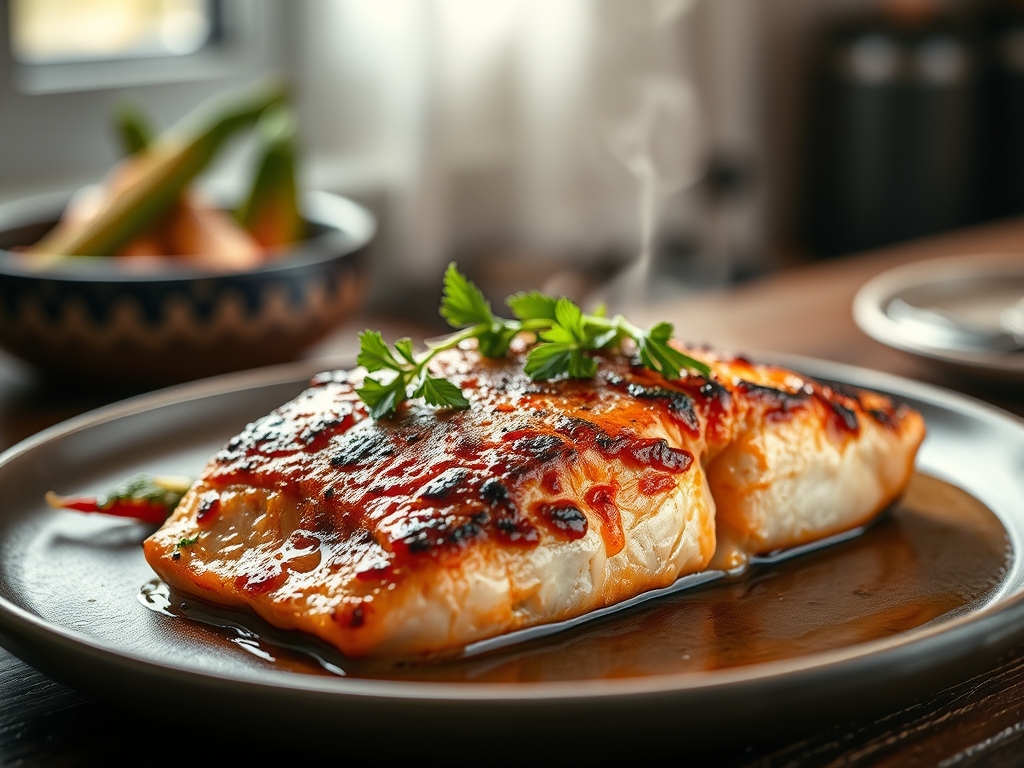
Close your eyes and listen for the distinct, aggressive hiss of cold fat meeting a screaming hot heating element. That sound is the overture to the most efficient dinner in your repertoire. When you master broiled salmon recipes simple enough for a Tuesday but elegant enough for a gala; you unlock a culinary superpower. We are chasing that specific, addictive contrast between a shattered, caramelized crust and a center so buttery it practically sighs onto your fork.
The broiler is essentially an inverted grill. Instead of conductive heat from a grate, we are utilizing intense infrared radiation to trigger the Maillard reaction in record time. This is not about gentle poaching or slow roasting. This is about high-stakes chemistry where sugar and amino acids dance at five hundred degrees. It is fast, it is fierce, and if you follow these six secrets, it is absolutely foolproof. We are going to transform a raw fillet into a masterpiece of texture and temperature, ensuring your kitchen smells like a high-end bistro rather than a fish market. Grab your favorite apron; it is time to turn up the heat.
The Gathers:
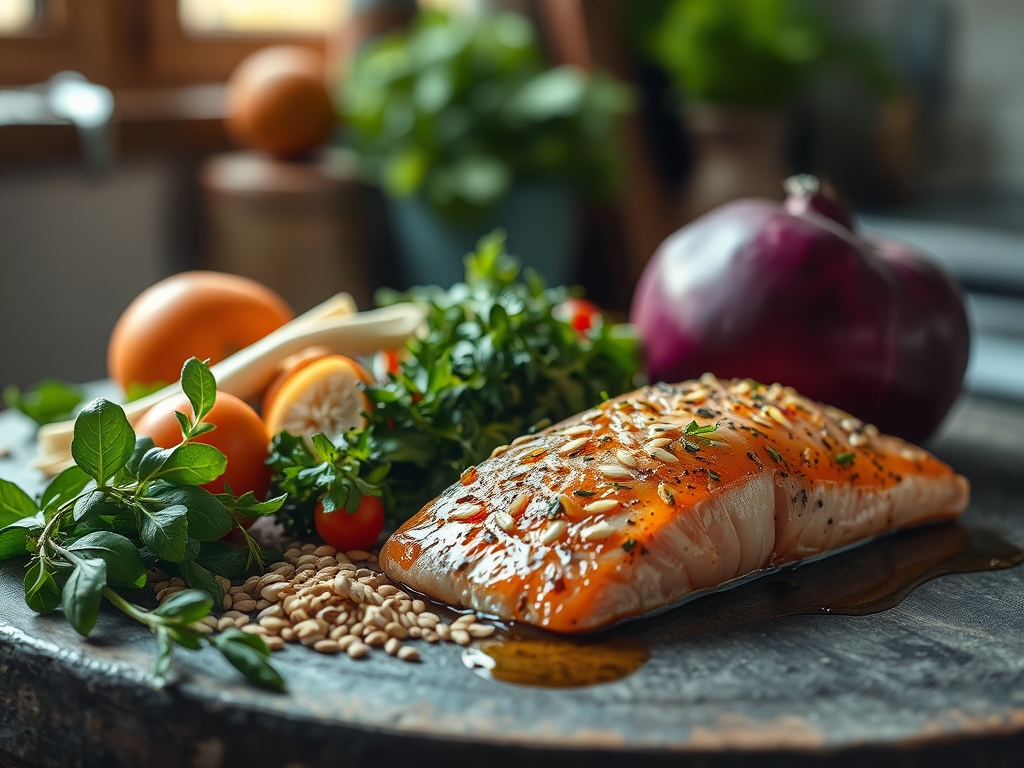
Before we ignite the flame, your mise-en-place must be surgical. You will need high-quality Atlantic or King salmon fillets, preferably center-cut for uniform thickness. For the fat, skip the butter for now; its milk solids will burn under the broiler. Instead, reach for a high-smoke-point oil like avocado or grapeseed. You will also need kosher salt for its jagged crystal structure, cracked black pepper, and a microplane for zesting citrus.
Smart Substitutions: If you are out of fresh lemons, a splash of verjuice or a high-quality white balsamic vinegar provides that necessary piquant acidity to cut through the fish's richness. No salmon? This technique works beautifully with Arctic Char or Steelhead Trout. If you want a deeper umami profile, swap the salt for a brush of white miso paste diluted with a teaspoon of mirin.
The Clock
Efficiency is the soul of this dish. Your total active "Chef's Flow" time is exactly six minutes. You will spend three minutes patting the fish dry and seasoning, and three minutes preparing your side dish while the oven preheats. The actual cook time ranges from six to nine minutes depending on the thickness of the fillet.
The flow is simple: Preheat the broiler with the rack in the top position. Prep the fish. Slide the tray in. While the infrared heat works its magic, use a bench scraper to tidy your station and toss a quick salad. The goal is a seamless transition from raw ingredients to a plated meal in under fifteen minutes.
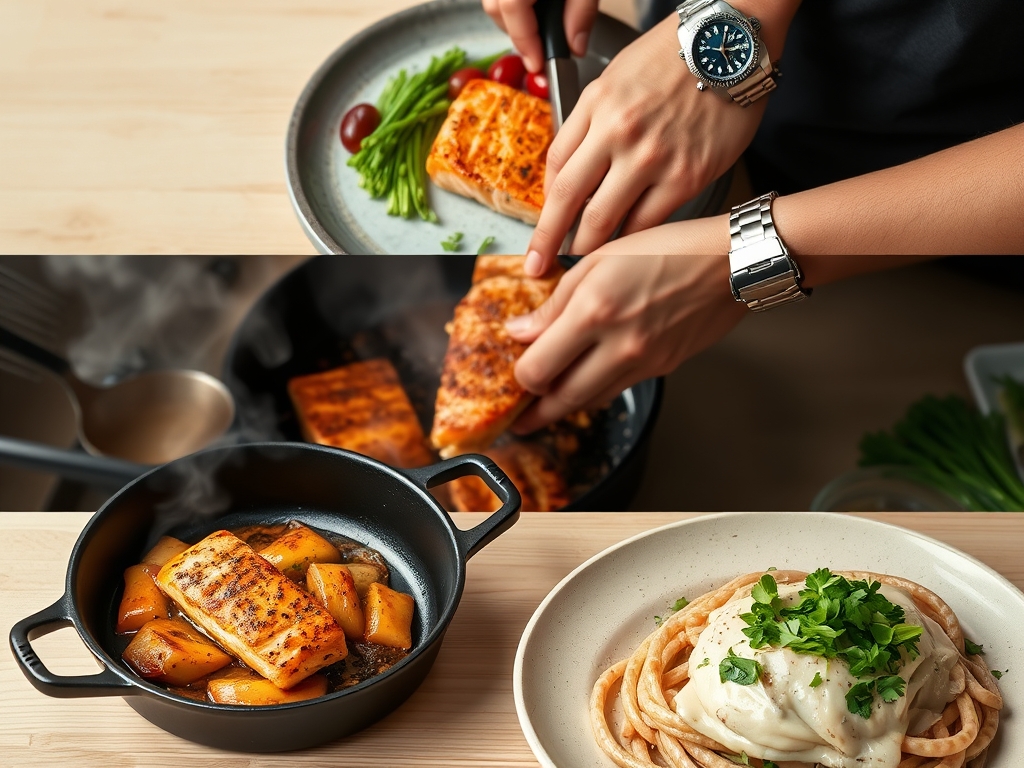
The Masterclass
1. The Desiccation Ritual
The greatest enemy of a crispy crust is moisture. Use a paper towel to aggressively pat the skin and flesh sides of the salmon until they feel tacky.
Pro Tip: This process is known as surface desiccation. By removing surface water, the energy of the broiler goes directly into browning the proteins rather than wasting time evaporating steam.
2. The Oil Emulsion
Lightly coat the fillets with your high-smoke-point oil. You want a thin, viscous layer that acts as a heat conductor.
Pro Tip: Oil facilitates even heat distribution across the irregular surface of the fish. This ensures that the heat is conducted into the valleys of the flesh, preventing hot spots and uneven charring.
3. The Elevation Strategy
Place your salmon on a wire rack set inside a foil-lined sheet pan. This allows hot air to circulate under the fish, preventing the bottom from becoming soggy.
Pro Tip: This utilizes convection in tandem with radiation. By elevating the protein, you prevent the fish from sitting in its own rendered fat, which can lead to steaming rather than searing.
4. The Distance Variable
Position your oven rack so the fish is exactly four to five inches from the heating element. Any closer and it will scorch; any further and it will overcook before it browns.
Pro Tip: This is about the inverse square law of light and heat. Small adjustments in distance result in exponential changes in heat intensity. Five inches is the "Goldilocks zone" for enzymatic browning.
5. The Internal Target
Pull the salmon when a digital thermometer reads 125 degrees Fahrenheit for medium-rare. The fish should feel firm but have a slight "give" when pressed with tongs.
Pro Tip: Remember thermal carryover. The internal temperature will rise another five degrees while the fish rests on the counter. Pulling it early ensures a succulent, translucent center.
6. The Acid Finish
Immediately after removing the fish from the heat, hit it with a fresh squeeze of lemon or a spray of herb-infused oil.
Pro Tip: Adding acid at the end brightens the flavor profile without breaking down the protein structure during the high-heat phase. It creates a bright, top-note contrast to the deep, roasted fats.
The Deep Dive
Macro Nutrition: Salmon is a nutritional powerhouse, boasting high concentrations of Omega-3 fatty acids (EPA and DHA) which are essential for brain health. A standard six-ounce fillet provides roughly 34 grams of high-quality protein and zero carbohydrates, making it a staple for metabolic health.
Dietary Swaps: For a Vegan alternative, use this same broiling technique on thick slabs of cauliflower or "Oyster Mushroom steaks" brushed with liquid smoke. For Keto followers, top the salmon with a dollop of compound herb butter after it leaves the oven to boost healthy fats.
The Fix-It:
- White Stuff Appearing: This is albumin, a protein that squeezes out when fish is cooked too fast or too long. Fix: Brine the fish in salt water for ten minutes before cooking to tighten the protein fibers.
- Burnt Top, Raw Middle: Your rack is too high. Fix: Move the rack down one notch and finish the cook with the oven door slightly ajar to let excess heat escape.
- Stuck Skin: You didn't grease the rack. Fix: Next time, use a heavy-bottomed skillet preheated under the broiler to sear the skin instantly on contact.
Meal Prep Science: To reheat without losing that "day-one" quality, avoid the microwave. The waves agitate water molecules, turning your salmon into rubber. Instead, place it in a 275-degree oven with a splash of water covered in foil to gently rehydrate the fibers.
The Wrap-Up
Mastering the broiler is the ultimate "shortcut" that yields professional-grade results. By understanding the physics of heat and the chemistry of moisture, you turn a simple piece of protein into a culinary event. It is fast, clean, and incredibly rewarding. Now, get into that kitchen, fire up the infrareds, and show that salmon who is boss!
The Kitchen Table
How do I know when the salmon is done without a thermometer?
The flesh will transition from translucent to opaque. Use a fork to gently test the thickest part; if it flakes easily along the natural white lines of fat, it is ready to serve immediately.
Can I broil frozen salmon fillets?
It is not recommended. The exterior will char and burn before the icy center can safely thaw and cook. Always defrost your fillets in a cold water bath or the refrigerator for the best texture and safety.
What is the best seasoning for simple broiled salmon?
Keep it classic with kosher salt, cracked black pepper, and garlic powder. The high heat of the broiler can turn fresh herbs bitter, so save the delicate greens like dill or parsley for a post-cook garnish.
Should I leave the skin on during broiling?
Absolutely. The skin acts as a protective thermal barrier, insulating the delicate flesh from the direct heat below. It also contains a high concentration of oils that keep the fillet moist during the intense cooking process.