
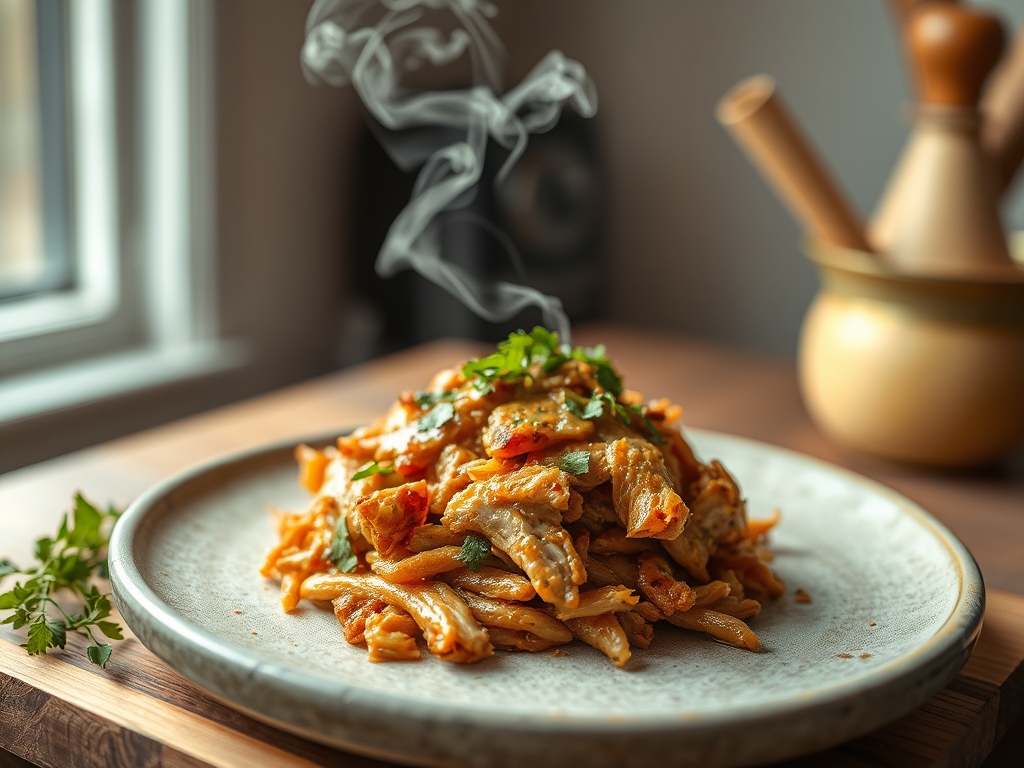
The surface of perfectly shredded chicken glistens with its own rendered collagen, each strand pulling apart with minimal resistance, releasing steam that carries notes of garlic, paprika, and time well spent. This is the hallmark of pulled chicken recipes healthy done right: tender protein that builds muscle without the guilt, adaptable enough for meal prep warriors and Sunday dinner hosts alike. Forget the sugar-laden sauces and deep-fried shortcuts. These six methods honor both your macros and your palate, relying on technique over trickery, heat management over heavy cream, and patience that pays dividends in texture. Whether you slow-cook, pressure-steam, or roast low and slow, the principles remain constant: collagen breakdown, moisture retention, and layered seasoning. Each approach transforms humble chicken breast or thighs into fork-tender, pull-apart protein that absorbs marinades, broths, and spice rubs with an almost sponge-like efficiency. The result is a base ingredient so versatile it slots into grain bowls, lettuce wraps, and whole-grain tacos without missing a beat.
The Gathers
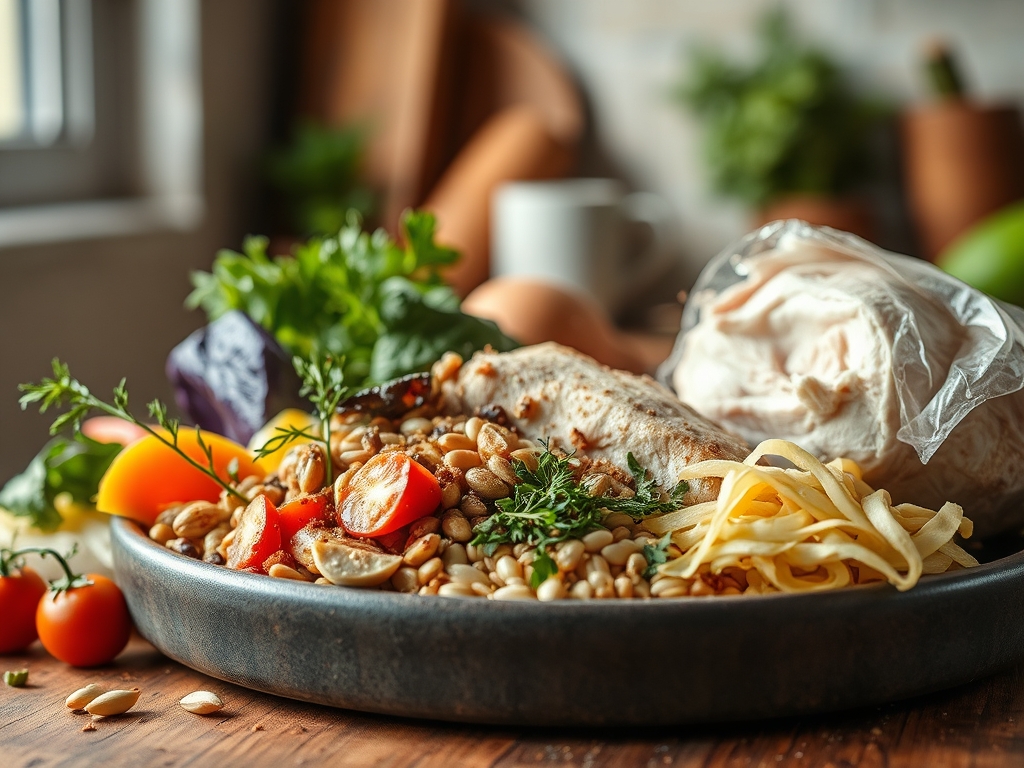
As you see in the ingredient spread below, the foundation starts with boneless, skinless chicken thighs (1.5 kg), chosen for their higher fat content (around 7g per 100g versus breast's 3g) and superior collagen structure that withstands prolonged heat. Alongside: low-sodium chicken stock (500 ml), smoked paprika (2 tsp), ground cumin (1.5 tsp), garlic powder (1 tsp), onion powder (1 tsp), black pepper (1/2 tsp), sea salt (1/2 tsp), apple cider vinegar (2 tbsp), and extra-virgin olive oil (1 tbsp). The vinegar's acetic acid tenderizes proteins and balances richness. Fresh aromatics include yellow onion (1 large, quartered), garlic cloves (4, smashed), and optional jalapeno (1, halved).
Smart Substitutions: Swap chicken thighs for turkey thighs for a leaner profile (5g fat per 100g). Replace smoked paprika with chipotle powder for heat and depth. Use coconut aminos instead of vinegar for a slightly sweet, soy-free alternative. Bone-in, skin-on cuts work if you remove skin post-cook and account for longer times.
The Clock
Prep Time: 10 minutes (trimming, measuring, aromatics).
Cook Time: 3 hours (slow cooker), 25 minutes (pressure cooker), or 2 hours (oven braise at 160°C/325°F).
Total Time: 3 hours 10 minutes to 2 hours 25 minutes, depending on method.
Chef's Flow: While the chicken cooks, prep your sides, chop garnishes, or batch-cook grains. Use a timer at the halfway mark to check liquid levels in oven braises. For pressure cooker methods, natural release (15 minutes) is non-negotiable for texture; quick release toughens fibers.
The Masterclass
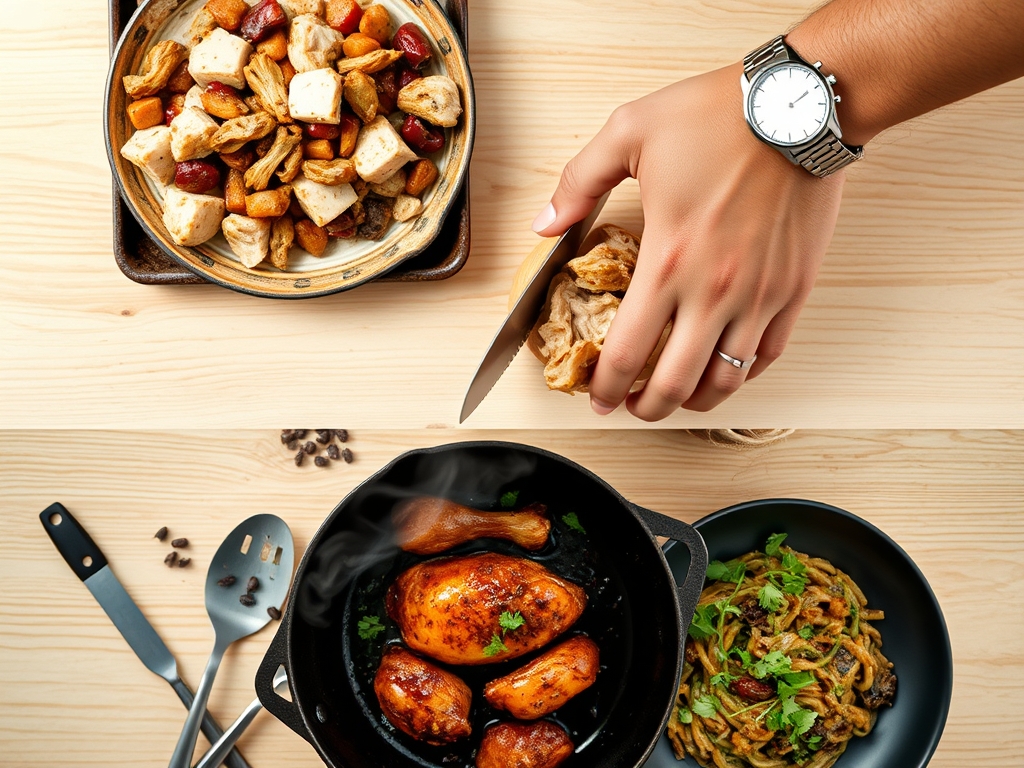
Step 1: Season and Sear (Optional but Recommended)
Pat chicken dry with paper towels. Combine all dry spices in a bowl and rub into every surface. Heat olive oil in a cast-iron skillet over medium-high (180°C/350°F surface temp). Sear thighs 2 minutes per side until golden.
Chef's Secret: The Maillard reaction begins at 140°C/285°F, creating hundreds of flavor compounds (pyrazines, thiazoles) that water-based cooking alone cannot achieve. Even a brief sear adds umami depth that permeates the final shred.
Step 2: Build the Braising Liquid
Transfer chicken to slow cooker, pressure cooker, or Dutch oven. Add stock, vinegar, onion, garlic, and jalapeno. Liquid should reach halfway up the chicken, not submerge it.
Why It Works: Partial submersion allows steam to circulate, cooking the exposed surface gently while the submerged portion braises. This dual-zone method prevents waterlogging.
Step 3: Cook Low and Slow (or Fast and Pressurized)
Slow Cooker: Low setting, 3 hours, until internal temp hits 90°C/195°F.
Pressure Cooker: High pressure, 20 minutes, natural release 15 minutes.
Oven Braise: Covered Dutch oven, 160°C/325°F, 2 hours.
Chef's Secret: Collagen (connective tissue) converts to gelatin between 70-90°C/160-195°F. Below 70°C, it remains tough; above 95°C, muscle fibers dry out. Target the sweet spot: 88-92°C/190-197°F internal temp.
Step 4: Shred with Intent
Remove chicken to a cutting board. Let rest 5 minutes (thermal carryover continues cooking). Use two forks or hands (heat-resistant gloves) to pull along the grain, creating long, restaurant-quality strands.
Why It Works: Shredding while warm keeps fibers pliable. Cold chicken tears unevenly and clumps.
Step 5: Reduce and Reunite
Strain braising liquid, discard solids. Return liquid to pot, simmer uncovered 10 minutes until reduced by half (thicker, more concentrated). Toss shredded chicken in reduced sauce.
Chef's Secret: Reduction intensifies flavor through water evaporation, increasing non-volatile compound density by 50%. The collagen-rich liquid coats each strand, locking in moisture.
Step 6: Adjust and Finish
Taste. Add salt, pepper, or a squeeze of lime. For crispier edges, spread chicken on a sheet pan, broil 3 minutes.
Why It Works: High heat (260°C/500°F broiler) dehydrates the surface, creating textural contrast against tender interiors. Caramelization occurs at 150°C+, adding bittersweet notes.
Nutritional Info
Per 150g serving (approximately 1 cup shredded):
Calories: 220
Protein: 32g
Fat: 8g (saturated 2g)
Carbohydrates: 3g
Fiber: 0.5g
Sodium: 350mg (with low-sodium stock)
Thighs deliver complete amino acids (leucine, lysine) for muscle synthesis. The collagen-derived gelatin supports joint health and gut lining integrity.
Dietary Swaps
Keto: Increase fat with avocado oil (2 tbsp) and top with shredded cheddar. Keep carbs under 5g per serving.
Paleo: Use coconut aminos and ghee instead of oil. Serve over cauliflower rice.
Vegan Pivot: Substitute jackfruit (2 cans, drained) for chicken. Reduce cook time to 45 minutes; jackfruit doesn't require collagen breakdown. Add nutritional yeast (2 tbsp) for umami.
Gluten-Free: Already compliant. Verify stock and spice blends contain no wheat-based anti-caking agents.
Serving & Presentation
1. Deconstructed Bowl: Arrange chicken over quinoa, add pickled red onions, microgreens, and a drizzle of tahini-lime dressing. The acidity cuts richness.
2. Lettuce Cups: Spoon chicken into butter lettuce leaves, top with mango salsa and crushed pistachios. Textural contrast elevates every bite.
3. Stuffed Sweet Potato: Halve roasted sweet potatoes, fill with chicken, garnish with Greek yogurt and chives. The potato's natural sugars balance spice.
The Pro-Dodge
Pitfall 1: Dry, Stringy Meat
Fix: You overcooked or used breasts without added fat. Switch to thighs or add 1 tbsp olive oil per 500g breast. Check temp at 80 minutes (slow cooker) or 15 minutes (pressure cooker).
Pitfall 2: Bland Flavor
Fix: You under-seasoned or skipped the sear. Salt penetrates slowly; season 30 minutes before cooking. Searing is non-negotiable for depth.
Pitfall 3: Watery Sauce
Fix: You didn't reduce the liquid. Simmer uncovered until it coats a spoon. Alternatively, whisk in 1 tsp arrowroot powder slurry (1 tsp powder + 2 tsp cold water).
The Meal Prep Corner
Storage: Cool chicken completely (spread on a sheet pan, refrigerate 20 minutes). Transfer to airtight containers with 2 tbsp braising liquid per cup. Refrigerate up to 4 days, freeze up to 3 months.
Reheating: Stovetop is king. Add chicken and 1 tbsp water to a skillet over medium-low, stir gently 3-4 minutes. Microwave works (1 minute on 50% power, stir, repeat) but risks drying. Oven reheating (175°C/350°F, covered, 12 minutes) preserves texture.
Day-One Quality: Freeze in portion-sized bags (1-cup servings). Thaw overnight in the fridge, reheat as above. The gelatin in the sauce rehydrates fibers beautifully.
The Wrap-Up
You now hold six variations of pulled chicken mastery that respect your health goals without sacrificing the primal satisfaction of tender, flavorful protein. Each method hinges on controlled heat, collagen science, and intentional seasoning. The beauty lies in the prep-once, eat-thrice efficiency: Sunday's slow cooker batch becomes Monday's grain bowl, Wednesday's lettuce wraps, and Friday's stuffed peppers. Adapt the base, swap the spices, and make it yours. Drop your favorite pairing in the comments or tag your meal prep wins. The kitchen is a laboratory, and you're the lead scientist.
The Kitchen Table
Q: Can I use chicken breasts instead of thighs?
A: Yes, but reduce cook time by 25% (2 hours slow cooker, 15 minutes pressure cooker) and add 1 tbsp olive oil per 500g to compensate for lower fat. Internal temp should reach 75°C/165°F, not the higher temps thighs tolerate.
Q: How do I make pulled chicken spicier without extra calories?
A: Add cayenne pepper (1/4 tsp per 500g), diced jalapenos (seeds in), or harissa paste (1 tsp). These deliver capsaicin-driven heat with negligible carbs or fat.
Q: Is it safe to cook frozen chicken in a pressure cooker?
A: Yes, but add 5 minutes to cook time and ensure internal temp reaches 75°C/165°F. USDA guidelines permit pressure cooking from frozen; slow cookers do not due to prolonged "danger zone" exposure (4-60°C/40-140°F).
Q: What's the best way to add smoky flavor without a grill?
A: Use smoked paprika (2 tsp), liquid smoke (1/4 tsp, sparingly), or chipotle in adobo (1 tbsp, pureed). Broiling the finished chicken 3 minutes adds char without carcinogens from open flame.
Q: Can I meal prep pulled chicken for a full week?
A: Refrigerated chicken peaks at day 4 for optimal texture and safety. Freeze half your batch immediately post-cook. Thaw midweek for "freshly cooked" quality on days 5-7.