
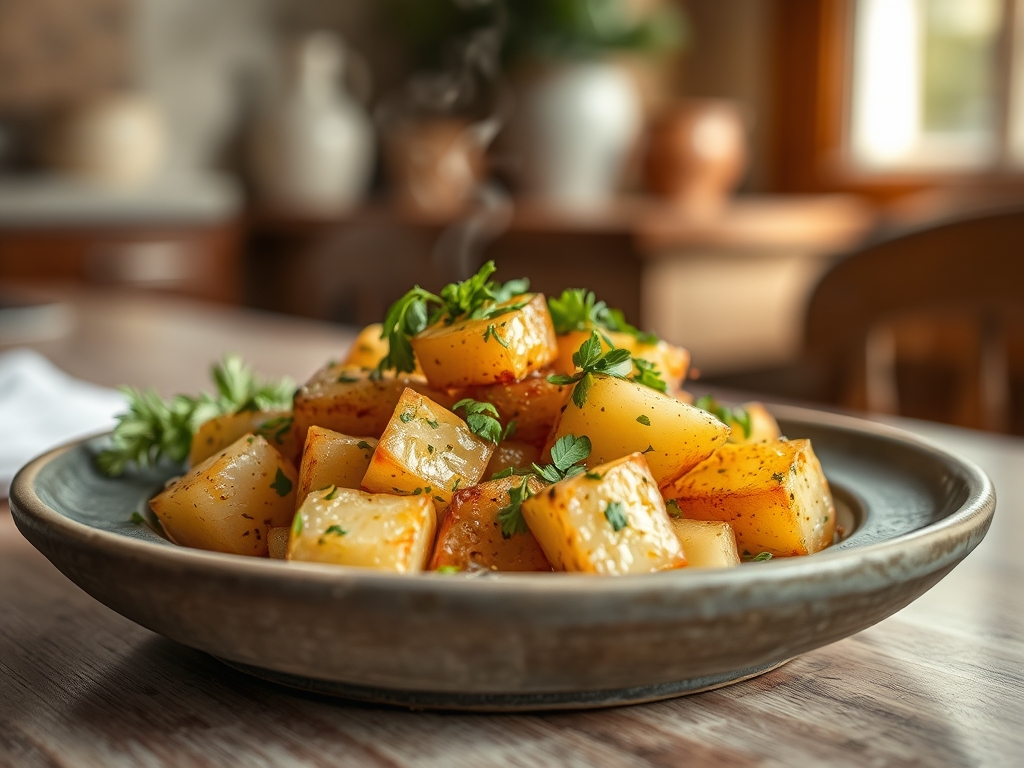
Imagine the sharp snap of a cold skin breaking against your teeth; followed by a creamy; buttery center that tastes like the very essence of a summer garden. When we talk about new potato recipes salad; we are moving far beyond the heavy; gloppy deli tubs of the past. We are entering the realm of high-acid vinaigrettes; aromatic herbs; and the technical precision that transforms a humble tuber into a seasonal masterpiece. New potatoes are unique because they are harvested before their starches have fully converted into sugar; giving them a waxy texture that holds its shape perfectly under fire and dressing.
This is the season of the patio party and the long; sun-drenched lunch. To master the art of the side dish; you need more than a recipe; you need a fundamental understanding of potato anatomy and heat transfer. We are going to explore how to manipulate moisture and temperature to ensure every bite is seasoned to the core. Forget everything you know about boiling vegetables until they are mush. We are aiming for structural integrity and a piquant flavor profile that cuts through the heat of a July afternoon.
The Gathers:
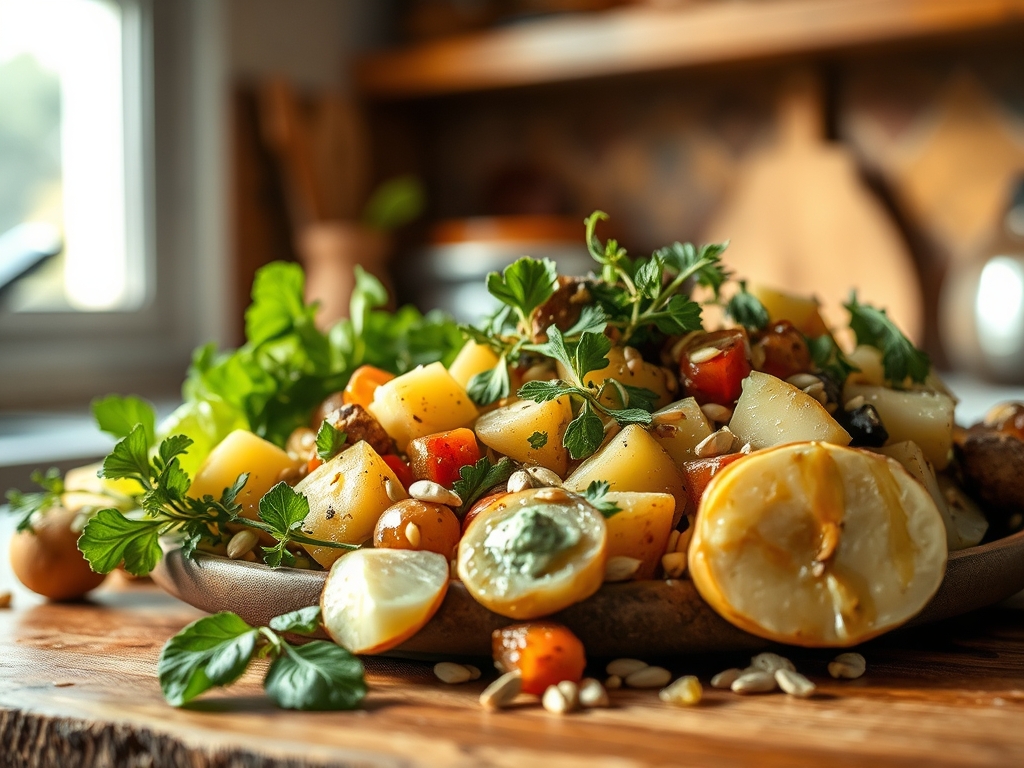
To begin your mise-en-place; clear your workstation with a bench scraper and gather your components. For the ultimate new potato recipes salad; you need two pounds of baby Yukon Golds or Red Bliss potatoes. These varieties possess a thin; delicate skin that does not require peeling; which preserves the nutrients located just beneath the surface. You will also need high-quality lipids: a viscous; cold-pressed extra virgin olive oil and perhaps a touch of thick Greek yogurt if you crave creaminess without the heaviness of traditional mayo.
Your aromatics are the soul of the dish. Collect a bunch of fresh dill; chives; and Italian flat-leaf parsley. For the acidic component; use a bright champagne vinegar or fresh lemon juice to provide a sharp; clean finish. Smart Substitutions are key for the modern pantry: if you lack shallots; use the white parts of spring onions for a similar sulfurous bite. If you are dodging dairy; a dollop of Dijon mustard acts as a natural emulsifier; binding your oil and vinegar into a silky coating that clings to the starch.
The Clock:
Efficiency in the kitchen is about "Chef's Flow." Total active time for this dish is approximately 15 minutes; while the total elapsed time is roughly 45 minutes. Start by scrubbing your potatoes; which takes 5 minutes. The simmering process requires 15 to 20 minutes depending on the size of your tubers. While the potatoes are dancing in the water; use your microplane to zest lemons and mince your herbs.
The "Flow" dictates that you prepare your dressing while the potatoes are still hot. This is not just about saving time; it is about molecular absorption. If you wait until the potatoes are cold to dress them; the starch granules will have sealed off; preventing the vinaigrette from penetrating the center. By the time the potatoes have finished their 10-minute cooling period; your salad should be fully assembled and ready for a final seasoning adjustment.
The Masterclass:
1. The Cold Start Simmer
Place your potatoes in a large pot and cover them with cold; heavily salted water. Starting with cold water ensures the exterior and interior cook at the same rate. Bring to a gentle simmer rather than a rolling boil to prevent the skins from rupturing.
Pro Tip: This technique prevents enzymatic browning and ensures even heat distribution. If you drop potatoes into boiling water; the outside overcooks and turns mealy before the center is tender; ruining the waxy texture essential for salad.
2. The Knife Test and Drain
Use a paring knife to check for doneness. The blade should slide in with zero resistance. Drain the potatoes into a colander and let them sit for exactly three minutes to allow surface moisture to evaporate.
Pro Tip: This period utilizes thermal carryover; where the residual internal heat finishes the cooking process. Allowing the steam to escape prevents the potatoes from becoming waterlogged; which would dilute your dressing.
3. The Acid Infusion
While the potatoes are still steaming; halve or quarter them and toss them with two tablespoons of vinegar. The heat allows the acetic acid to penetrate deep into the potato flesh rather than just sitting on the surface.
Pro Tip: This is known as starch gelatinization. When the potato is hot; the starch molecules are expanded and porous; making them highly receptive to liquids. Once they cool; the structure tightens and "locks in" the flavor.
4. The Emulsion Build
In a small saucier or glass bowl; whisk your olive oil; mustard; and seasonings. Slowly stream the oil into the acid while whisking vigorously to create a stable; viscous emulsion that won't separate on the plate.
Pro Tip: Mustard contains complex polysaccharides that act as stabilizers. This prevents the oil from "beading" on the waxy skin of the new potato; ensuring a uniform coating in every bite.
5. The Herb Fold
Wait until the potatoes are lukewarm before folding in your fresh herbs. Use a gentle folding motion with a silicone spatula to avoid breaking the delicate potatoes.
Pro Tip: Adding soft herbs like dill or parsley to boiling-hot potatoes causes thermal degradation of the volatile oils. Waiting until they are cooler preserves the bright green color and the punchy; aromatic flavor.
The Deep Dive:
From a nutritional standpoint; new potatoes are a powerhouse of Vitamin C and potassium. Because we are leaving the skins on; we are maximizing fiber intake. One serving typically contains about 150-200 calories; depending on your oil-to-vinegar ratio. For Dietary Swaps; vegans can swap honey for agave in the dressing. For a Keto-friendly version; swap half the potatoes for steamed cauliflower florets to reduce the net carb count while maintaining the flavor profile.
The Fix-It: If your salad tastes bland; it is likely a salt issue; add a pinch of flaky sea salt just before serving. If the dressing is too oily; add a teaspoon of lemon juice to cut the fat. If the potatoes are falling apart; you overcooked them; next time; pull them off the heat when they still have a tiny bit of "bite." For Meal Prep; remember that starch undergoes retrogradation in the fridge; becoming firmer. To restore "day-one" quality; let the salad sit at room temperature for 20 minutes before serving to soften the fats.
The Wrap-Up:
Mastering new potato recipes salad is your ticket to becoming the MVP of every summer gathering. It is a dish that celebrates technical precision wrapped in a casual; breezy package. By focusing on the "Cold Start" method and the "Acid Infusion" step; you are elevating a basic side dish into a culinary statement. Now; grab your tongs; find the freshest herbs at the market; and go show those potatoes who is boss. Your friends will thank you; and your palate will certainly notice the difference.
The Kitchen Table:
Why are my potatoes always mushy?
You likely started them in boiling water or overcooked them. Start with cold water and use a timer. New potatoes should be "fork-tender;" meaning they offer slight resistance when pierced; ensuring they hold their shape during the mixing process.
Can I make this salad a day in advance?
Yes; but hold the fresh herbs until serving. The acids in the dressing will mute the vibrant green of the parsley and dill overnight. Store the dressed potatoes in an airtight container and toss with fresh herbs just before the party.
What is the best way to clean new potatoes?
Since the skins are delicate; avoid harsh scrubbing. Submerge them in cold water and use a soft vegetable brush or a clean kitchen towel to gently remove any grit. This preserves the thin; nutrient-rich skin that provides the signature snap.
Why do I need to dress the potatoes while hot?
Hot potatoes have open starch structures that absorb the dressing like a sponge. If you wait until they are cold; the dressing merely sits on the surface; resulting in a salad that tastes oily rather than seasoned throughout the center.