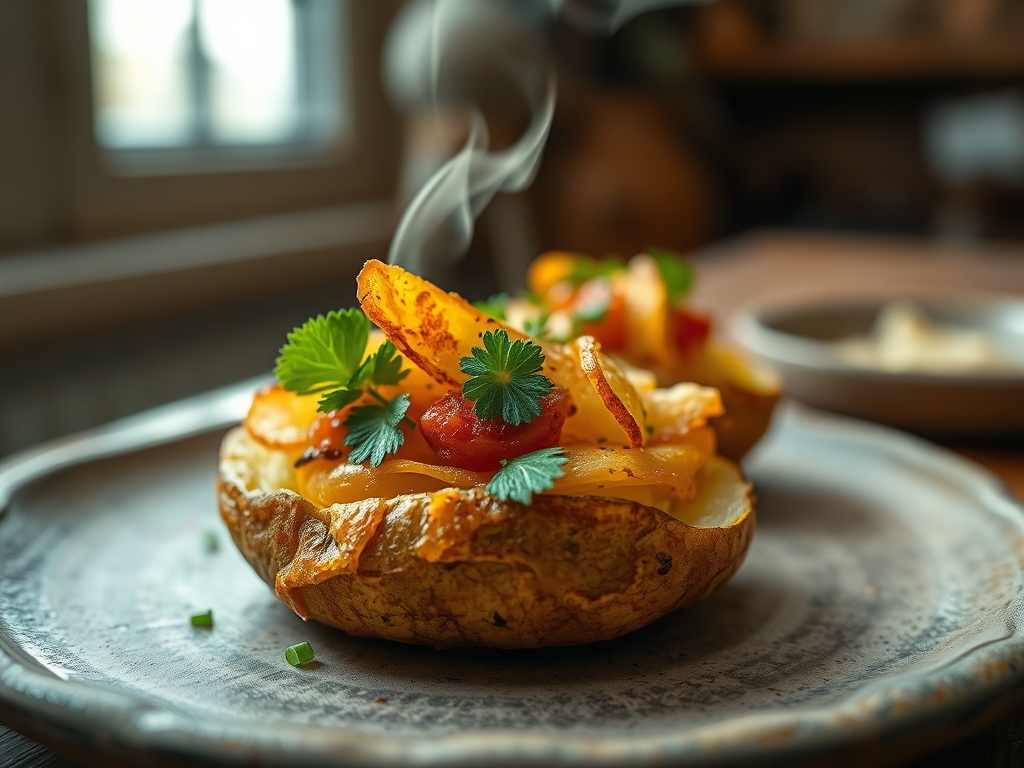
Imagine the sound of a structural fracture echoing through a quiet kitchen. That sharp, glass like snap is the hallmark of the perfect potato. Achieving the ultimate crunch in crispy baked potato recipes is not just a culinary goal; it is a rigorous exercise in starch manipulation and thermal dynamics. We are moving beyond the soggy, sad spuds of the past. Today, we are engineering a golden, craggy exterior that shatters against a cloud like interior.
To get there, we must treat the potato as a canvas for the Maillard reaction. This chemical dance between amino acids and reducing sugars creates that deep, savory umami flavor and the amber hue we crave. We are not just cooking; we are dehydrating the surface while hydrating the core. It is a delicate balance of moisture management and lipid selection. Whether you are hosting a high stakes dinner party or just treating yourself to a solo feast, these techniques will transform the humble tuber into a high fidelity sensory experience. Grab your apron and your digital scale; we are about to decode the science of the crunch.
The Gathers:
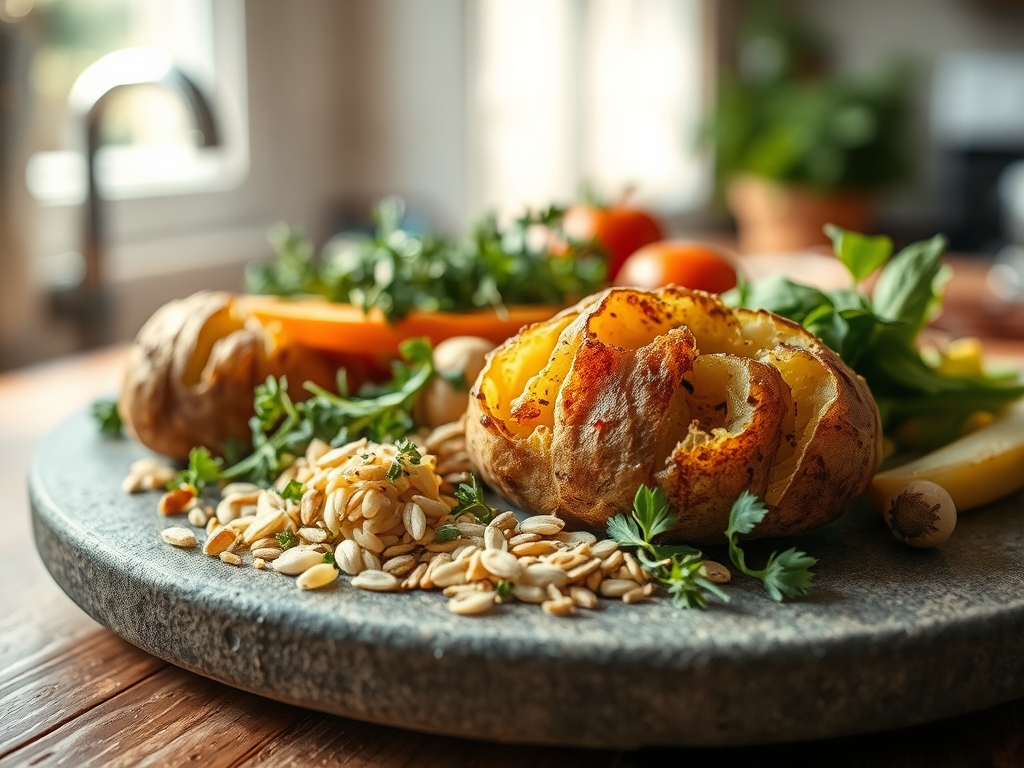
Before we ignite the flame, your mise-en-place must be precise. Start with high starch cultivars like the Russet or the Yukon Gold. Russets are the gold standard for crispy baked potato recipes because their high amylose content creates a floury texture that facilitates a massive surface area for browning. You will need a high smoke point lipid; skip the extra virgin olive oil for the roasting phase and reach for clarified butter (ghee) or rendered duck fat. These fats allow for temperatures exceeding 400 degrees Fahrenheit without breaking down into acrid compounds.
Essential tools include a heavy-bottomed rimmed baking sheet for heat retention and a bench scraper to move your spuds without bruising the delicate starch. You will also need a microplane for finishing with hard cheeses or citrus zest, and a digital scale to ensure uniform sizing, which is the secret to even cooking.
Smart Substitutions:
If you are avoiding animal fats, use avocado oil for its neutral profile and high thermal stability. For a piquant kick, swap standard table salt for smoked Maldon sea salt or a dusting of nutritional yeast to add a nutty, cheese like depth without the dairy. If you lack a traditional roasting pan, a preheated cast iron skillet provides incredible conductive heat that mimics a professional deck oven.
The Clock
Efficiency in the kitchen is about "Chef's Flow." Total preparation time for these recipes is approximately 20 minutes, with a roasting duration of 45 to 60 minutes depending on the specific cut. The flow begins with the "Cold Start" soak; while your potatoes hydrate and shed excess surface starch, you can prepare your infusions.
The middle phase is the "Active Roast," where you will perform a mid-cycle toss to ensure 360-degree lipid coverage. Finally, the "Rest and Temper" phase takes 5 minutes. Never skip the rest; it allows the internal steam to redistribute, ensuring the crust stays rigid rather than becoming steamed from the inside out.
The Masterclass
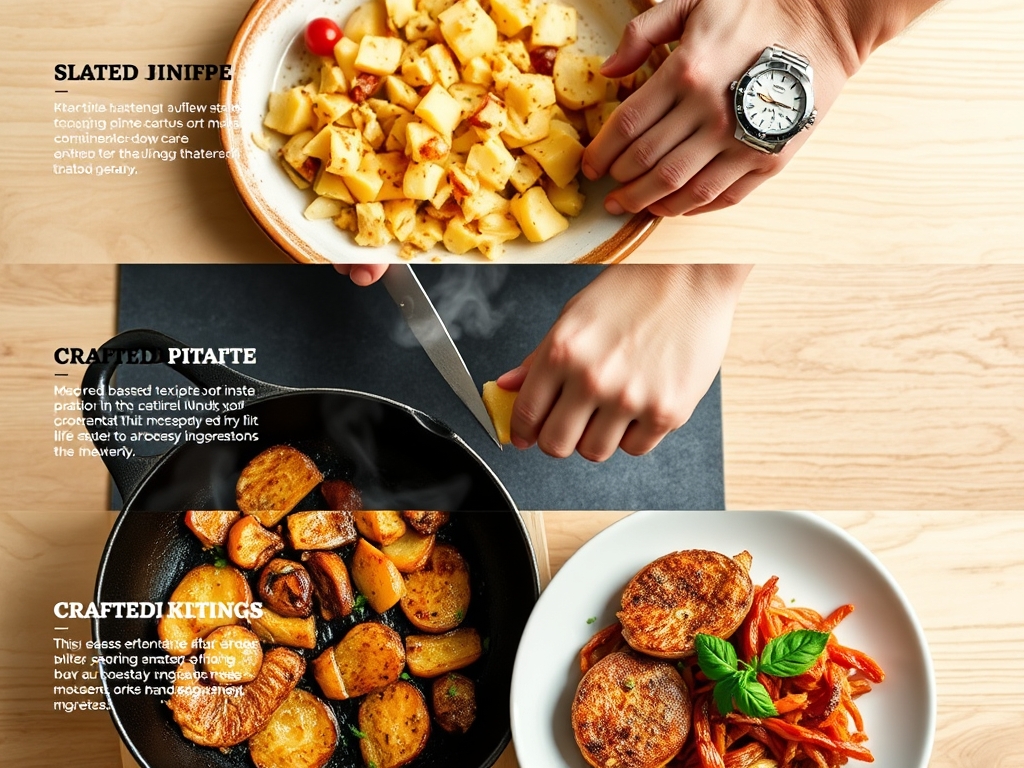
1. The Alkaline Parboil
Place your potato chunks into a saucier with cold water, a heavy hand of salt, and a half-teaspoon of baking soda. Bring to a boil and simmer until the edges are frayed but the centers are firm.
Pro Tip: The baking soda raises the pH of the water, which breaks down the pectin in the potato's cell walls. This creates a starchy slurry on the surface that, once roasted, dehydrates into the ultimate crispy crust.
2. The Rough Up
Drain the potatoes and let them steam dry for two minutes. Return them to the pot and shake vigorously until the exterior looks "fuzzy" or mashed.
Pro Tip: This increases the surface area exponentially. More surface area means more sites for the Maillard reaction to occur, leading to a louder crunch and deeper flavor profile.
3. The Lipid Infusion
In a small pan, heat your duck fat or oil with smashed garlic and rosemary. Once fragrant, strain the solids and toss the hot oil with your fuzzy potatoes.
Pro Tip: Infusing the oil first prevents the aromatics from burning in the high heat of the oven. This ensures a clean, toasted flavor rather than the bitterness of charred garlic.
4. The High Heat Roast
Spread the potatoes onto a preheated baking sheet. Ensure they are not crowded; airflow is the enemy of steam and the friend of the crunch. Roast at 425 degrees Fahrenheit.
Pro Tip: Preheating the pan initiates immediate conductive heat transfer. This sears the bottom of the potato instantly, preventing it from sticking and starting the browning process the second it hits the metal.
5. The Mid-Point Agitation
Use tongs or a metal spatula to flip the potatoes every 20 minutes. You want to see a deep mahogany color developing on all facets.
Pro Tip: Agitation redistributes the rendered fat. This ensures that the potato is essentially shallow frying in the oven, leading to a uniform, viscous golden coating.
6. The Aeration Rest
Remove the potatoes from the oven and immediately transfer them to a wire cooling rack set over a sheet pan.
Pro Tip: If left on the flat pan, the bottom of the potato will trap steam and turn soft. A wire rack allows air to circulate, maintaining the structural integrity of the crust through evaporative cooling.
7. The Final Seasoning
While the potatoes are hot, use your microplane to shower them with Parmigiano-Reggiano or a zest of lemon.
Pro Tip: The residual heat causes the cheese to melt and then crisp up, creating a secondary "lace" of flavor known as a frico. This adds a complex, salty finish.
8. The Herbaceous Finish
Toss with fresh parsley or chives just before serving.
Pro Tip: Fresh herbs contain volatile oils that degrade with heat. Adding them at the very end preserves their bright, piquant aroma and vibrant green color against the golden potatoes.
The Deep Dive
From a macro nutrition perspective, potatoes are a powerhouse of potassium and complex carbohydrates. To keep these crispy baked potato recipes balanced, focus on the quality of your fats. Using heart-healthy oils or moderate amounts of animal fats provides satiety. For dietary swaps, these recipes are naturally gluten-free. For a keto-friendly alternative, apply these same "Rough Up" techniques to cauliflower florets or radishes, though the starch content will differ.
The Fix-It:
- Soggy Results: You likely overcrowded the pan. Steam trapped between potatoes prevents browning. Use two pans next time.
- Burnt Edges, Raw Center: Your oven temperature is too high or your pieces are too large. Reduce heat by 25 degrees and cover with foil for the first 15 minutes.
- Sticking to the Pan: You didn't use enough oil or your pan wasn't preheated. Ensure a viscous layer of fat coats every surface.
Meal Prep:
To reheat and maintain "day-one" quality, avoid the microwave at all costs. The microwave vibrates water molecules, turning your crispy crust into a rubbery mess. Instead, use an air fryer or a toaster oven at 400 degrees for five minutes to re-dehydrate the exterior.
The Wrap-Up
Mastering crispy baked potato recipes is a rite of passage for any serious home cook. It is a symphony of chemistry, temperature control, and patience. By focusing on the alkaline parboil and the mechanical agitation of the starch, you are no longer just making a side dish; you are creating a culinary masterpiece. Now, take these techniques, fire up your oven, and prepare for the most satisfying crunch of your life. Your kitchen is now a laboratory of flavor.
The Kitchen Table
Why are my roasted potatoes never crispy?
The main culprit is usually excess surface moisture or overcrowding. Ensure you steam dry your potatoes after parboiling and give them plenty of space on the baking sheet so the moisture can evaporate rather than creating steam.
Does soaking potatoes in water make them crispier?
Yes, soaking removes excess surface starch that can burn too quickly. However, for the ultimate crunch, an alkaline parboil is more effective as it creates a starchy slurry that dehydrates into a thick, glass like crust during roasting.
What is the best oil for crispy potatoes?
Use fats with high smoke points like duck fat, beef tallow, or avocado oil. These lipids can withstand the 425 degree heat required for the Maillard reaction without breaking down or creating bitter, off flavors in your dish.
Should I peel potatoes for roasting?
Peeling is recommended for the "fuzzy" texture method. While skins have nutrients, removing them allows you to roughen the exterior starch, which is the key to achieving that signature deep, craggy crunch found in professional kitchens.