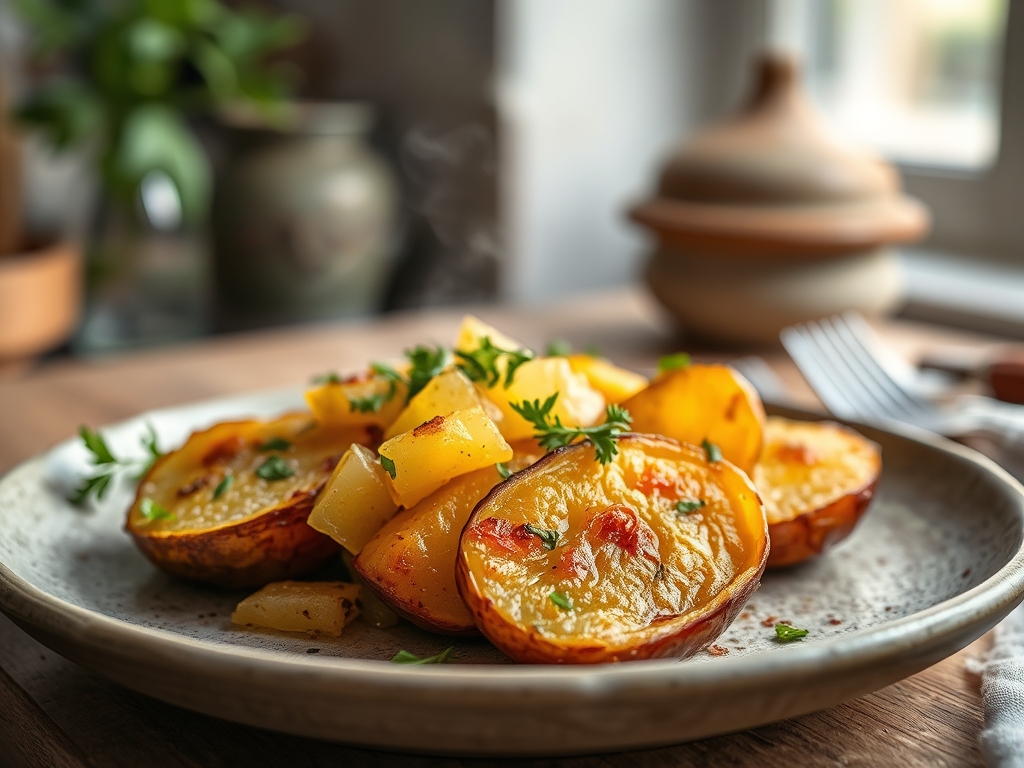
Picture a crisp autumn evening where the air carries a sharp chill; you step into a kitchen filled with the scent of toasted butter and rosemary. That golden, buttery aroma is the hallmark of the perfect spud. When you master easy yukon gold potato recipes, you are not just cooking; you are performing a delicate dance of starch and heat.
The Yukon Gold is the undisputed monarch of the root cellar. Unlike the starchy Russet or the waxy Red Bliss, the Yukon is a biological hybrid that offers the best of both worlds. It possesses a medium-starch content that creates a velvety interior while maintaining enough structural integrity to crisp up beautifully in a heavy-bottomed skillet. We are going to unlock the secrets of this golden tuber, moving beyond basic boiling to achieve restaurant-quality results with minimal effort. Whether you are looking for a weeknight side or a dinner party showstopper, these techniques will transform your culinary repertoire. Let us dive into the molecular magic that makes these potatoes so irresistible.
The Gathers:
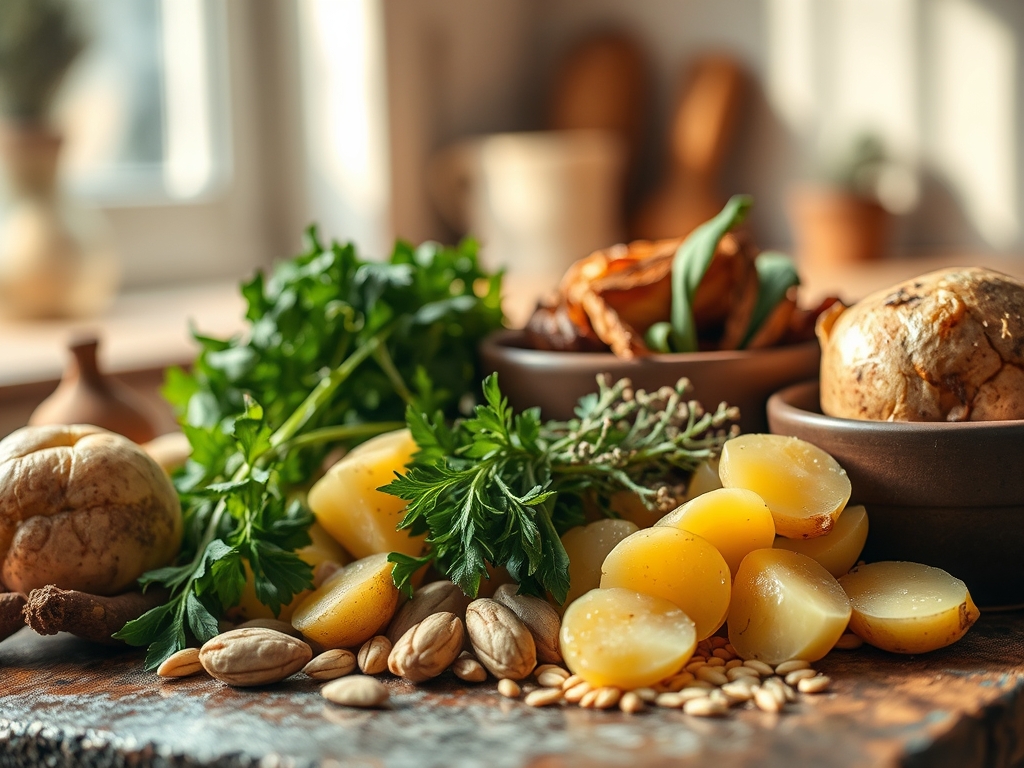
To begin, we must assemble our mise-en-place with precision. You will need three pounds of firm, unblemished Yukon Gold potatoes. Look for skins that are smooth and free of "eyes" or green tinges, which indicate the presence of solanine, a bitter compound. You will also need high-quality fats: unsalted European-style butter for its high butterfat content and a neutral oil with a high smoke point, such as avocado oil.
For aromatics, gather fresh rosemary sprigs, thyme, and a whole head of garlic. We will use a microplane to zest a bit of lemon for brightness and a digital scale to ensure our salt-to-potato ratio is exactly one percent by weight.
Smart Substitutions:
If you are avoiding dairy, a high-quality extra virgin olive oil can replace butter, though you will miss the Maillard reaction benefits of milk solids. For a piquant kick, swap rosemary for smoked paprika or Aleppo pepper. If you lack fresh garlic, use garlic-infused oil rather than powder to maintain a viscous, luxurious mouthfeel.
The Clock:
Efficiency in the kitchen is all about "Chef's Flow." This process takes approximately 60 minutes from start to finish.
- Prep (15 minutes): Scrubbing, dicing, and organizing your station.
- Active Cooking (15 minutes): Parboiling and the initial sear.
- Passive Roasting (30 minutes): The final transformation in the oven.
The flow is simple: while the water reaches a boil, you prep your aromatics. While the potatoes roast, you clean your station and prepare your garnish. This ensures that the moment the timer dings, you are ready to serve.
The Masterclass:
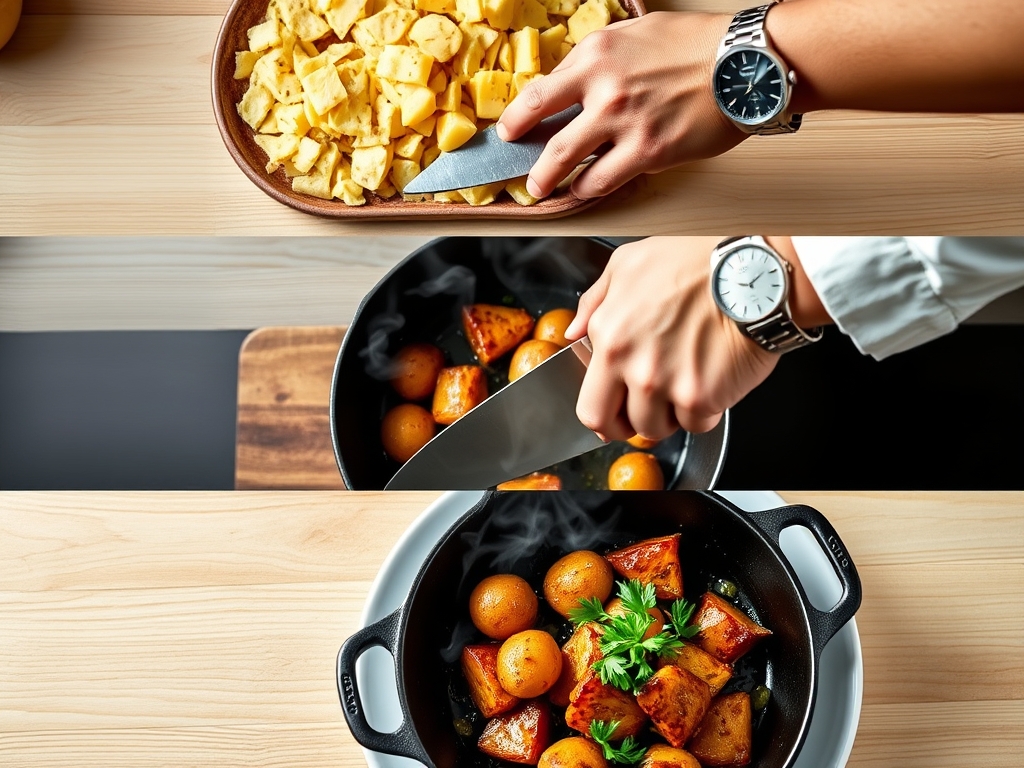
1. The Uniform Cube
Use a sharp chef's knife to cut your potatoes into consistent one-inch cubes. Uniformity is not just for aesthetics; it ensures that every piece reaches the same internal temperature at the same time.
Pro Tip: Cutting the potatoes increases the surface area, which maximizes the potential for enzymatic browning. This is the chemical reaction between amino acids and reducing sugars that creates that savory, roasted flavor.
2. The Alkaline Parboil
Place the cubes in a pot of cold, heavily salted water. Add a half-teaspoon of baking soda. Bring to a boil and simmer for exactly eight minutes.
Pro Tip: The baking soda raises the pH of the water, which breaks down the potato's pectin. This creates a starchy slurry on the surface of the potato that will eventually crisp up into a glass-like crust.
3. The Rough-Up
Drain the potatoes in a colander and let them steam-dry for two minutes. Give the colander a vigorous shake to roughen the edges of the cubes.
Pro Tip: This process, known as increasing the "craggy" surface area, allows the fat to settle into the nooks and crannies. Surface moisture is the enemy of crispiness; evaporation is key here.
4. The Fat Infusion
In a large bowl, toss the parboiled potatoes with your oil, melted butter, and salt. Use a rubber spatula to ensure every millimeter is coated.
Pro Tip: Fat acts as a heat conductor. By coating the starch slurry in fat, you are creating a barrier that allows the exterior to fry while the interior steams to a fluffy finish.
5. The High-Heat Roast
Spread the potatoes on a preheated heavy-duty sheet pan. Do not crowd them. Roast at 425 degrees Fahrenheit for 20 minutes without touching them.
Pro Tip: Using a preheated pan triggers immediate thermal conduction. This prevents the potatoes from sticking and starts the crisping process the second they hit the metal.
6. The Aromatic Toss
After 20 minutes, use a bench scraper or tongs to flip the potatoes. Add your smashed garlic cloves and woody herbs now.
Pro Tip: We add aromatics late to prevent them from burning. The essential oils in the rosemary will infuse into the hot fat, which then coats the potatoes in a fragrant layer.
7. The Aeration Phase
Roast for another 10 to 15 minutes until the potatoes are deep amber. Remove from the oven and toss them one last time on the hot pan.
Pro Tip: Moving the potatoes allows trapped steam to escape. If you leave them stationary, the bottom side can become soggy due to moisture migration from the center.
8. The Acid Brightness
Transfer the potatoes to a warm serving bowl. Use your microplane to grate a dusting of fresh parmesan and a whisper of lemon zest over the top.
Pro Tip: The citric acid in the lemon zest cuts through the richness of the fats, providing a sensory balance that makes the savory notes pop.
9. The Resting Period
Allow the potatoes to sit for three minutes before serving.
Pro Tip: This allows for thermal carryover. The internal temperature will stabilize, ensuring the center is fully "set" and velvety rather than watery.
The Deep Dive:
Macro Nutrition
Yukon Gold potatoes are a powerhouse of potassium, containing more per serving than a banana. They are naturally gluten-free and provide complex carbohydrates that offer sustained energy. When cooked with healthy fats like avocado oil, they provide a balanced macro profile of carbs and healthy lipids.
Dietary Swaps
- Vegan: Use avocado oil or a high-quality vegan butter substitute.
- Keto: While potatoes are high in carbs, you can use this same roasting technique for cauliflower florets or radishes to mimic the texture.
- GF: Naturally compliant! Just ensure your seasonings are certified gluten-free.
The Fix-It
- Problem: Potatoes are sticking to the pan. Fix: You likely didn't let the pan preheat or tried to flip them too early. Wait for the Maillard reaction to naturally release the starch from the metal.
- Problem: The exterior is burnt but the inside is hard. Fix: Your oven is too hot or your cubes are too large. Reduce heat by 25 degrees and parboil for two minutes longer next time.
- Problem: They turned out soggy. Fix: You crowded the pan. Steam got trapped between the potatoes. Use two pans next time to ensure proper airflow.
Meal Prep & Reheating
To maintain "day-one" quality, never use a microwave. Reheat leftover potatoes in an air fryer at 380 degrees for five minutes or in a skillet with a teaspoon of oil. This re-activates the fats and restores the crisp exterior without drying out the center.
The Wrap-Up:
Mastering easy yukon gold potato recipes is a fundamental skill that elevates every meal from "standard" to "spectacular." By understanding the science of pH levels, thermal conduction, and starch manipulation, you have moved beyond the recipe and into the realm of culinary intuition. These golden, crispy treasures are the ultimate comfort food, backed by rigorous technique. Now, grab your heavy-bottomed skillet and go create some kitchen magic!
The Kitchen Table:
Why are my roasted potatoes always soft?
Softness usually results from overcrowding the pan or excess surface moisture. Ensure you steam-dry the potatoes after parboiling and give them plenty of space on the baking sheet so they roast instead of steaming.
Do I need to peel Yukon Gold potatoes?
No, peeling is optional. Yukon Gold skins are exceptionally thin and delicate, providing a lovely texture and added nutrients. Simply scrub them thoroughly with a vegetable brush before dicing to remove any grit.
Can I prep these potatoes ahead of time?
Yes. You can parboil and toss them in fat up to 24 hours in advance. Store them in an airtight container in the fridge. When ready to eat, roast them directly from the cold state for maximum crispness.
What is the best oil for roasting potatoes?
Use an oil with a high smoke point like avocado or grapeseed oil. These allow for the high temperatures needed for a crispy crust without breaking down or creating off-flavors like extra virgin olive oil might.