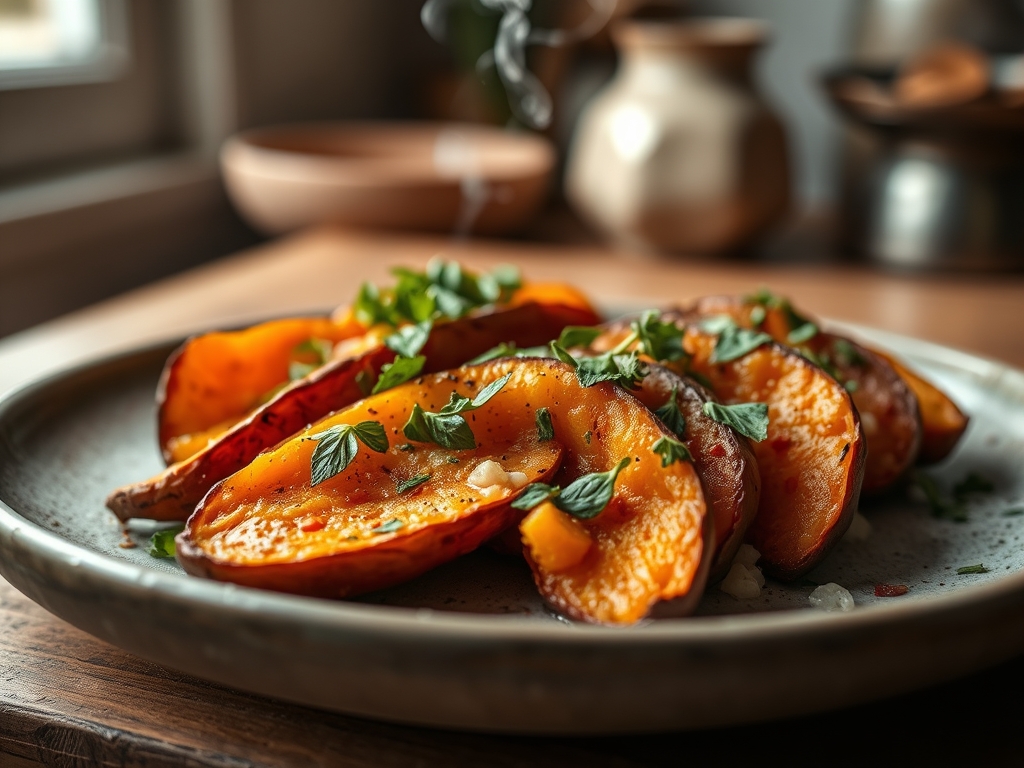
Imagine the scent of caramelized sugars dancing through your kitchen; it is that deep, earthy perfume that signals comfort is on the way. We are tackling the ultimate culinary paradox today: keto sweet potato recipes that actually satisfy the soul without sabotaging your metabolic state. Most people think "keto" and "sweet potato" are natural enemies because of the starch content, but with the right molecular approach, we can enjoy these vibrant tubers. We are going to manipulate fiber, fats, and resistant starch to keep your glucose stable while indulging in seven bold, chef-inspired variations.
The secret lies in portion control and strategic pairing with high-quality lipids to slow gastric emptying. We are not just making dinner; we are performing a delicate balancing act of macronutrients. By the time we finish, you will have mastered the art of the low-glycemic mash, the crispy air-fried wedge, and the decadent stuffed skin. Grab your favorite apron and a glass of sparkling water; we are about to redefine what low-carb comfort looks like with a scientific twist that would make a food chemist proud.
The Gathers:
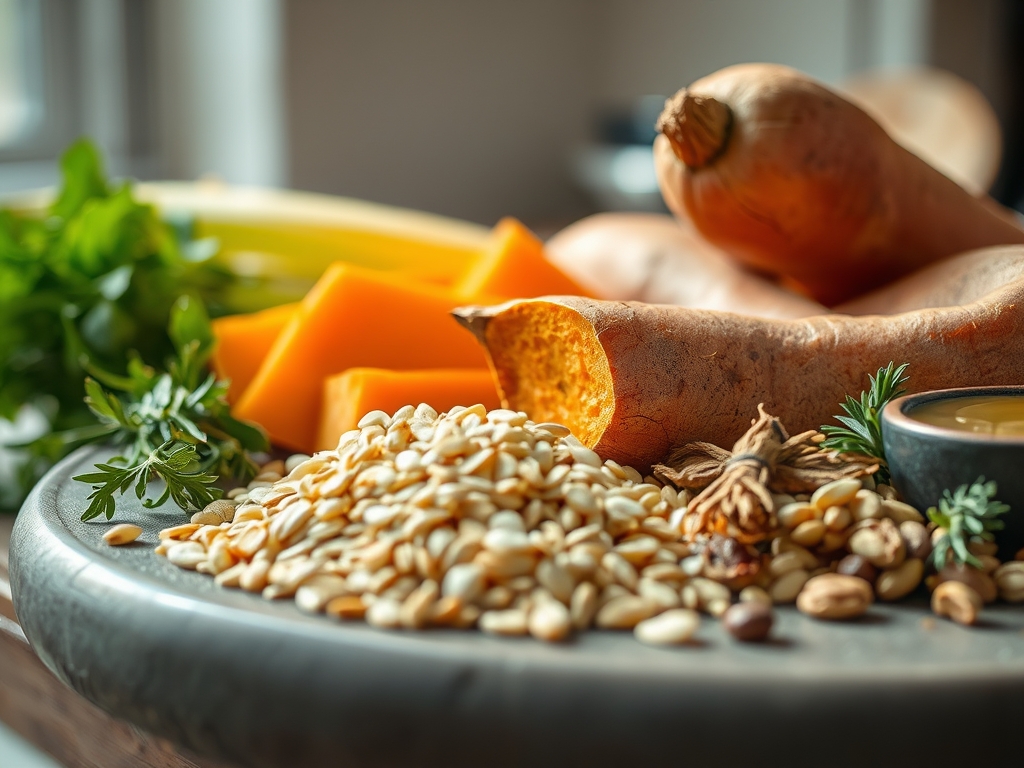
Setting up your mise-en-place is more than just organization; it is about managing the chemical potential of your ingredients. For these keto sweet potato recipes, you will need a precise array of components. Start with two medium Jewel or Garnet sweet potatoes. We choose these for their high moisture content and anthocyanin levels. You will also need grass-fed ghee, which provides a high smoke point and a rich, nutty profile through the Maillard reaction.
Gather your "Smart Substitutions" to keep the carb count in check. We will be using cauliflower florets as a "bulking agent" to dilute the starch density of the potato. You will need almond flour for texture, xanthan gum to provide a viscous structural bond in place of gluten, and heavy cream to emulsify our sauces. Do not forget the aromatics: fresh rosemary, smoked paprika for a piquant kick, and Maldon sea salt for that essential crunch. Use a digital scale to measure your potato portions to the gram; precision is the difference between staying in ketosis and a glucose spike.
The Clock:
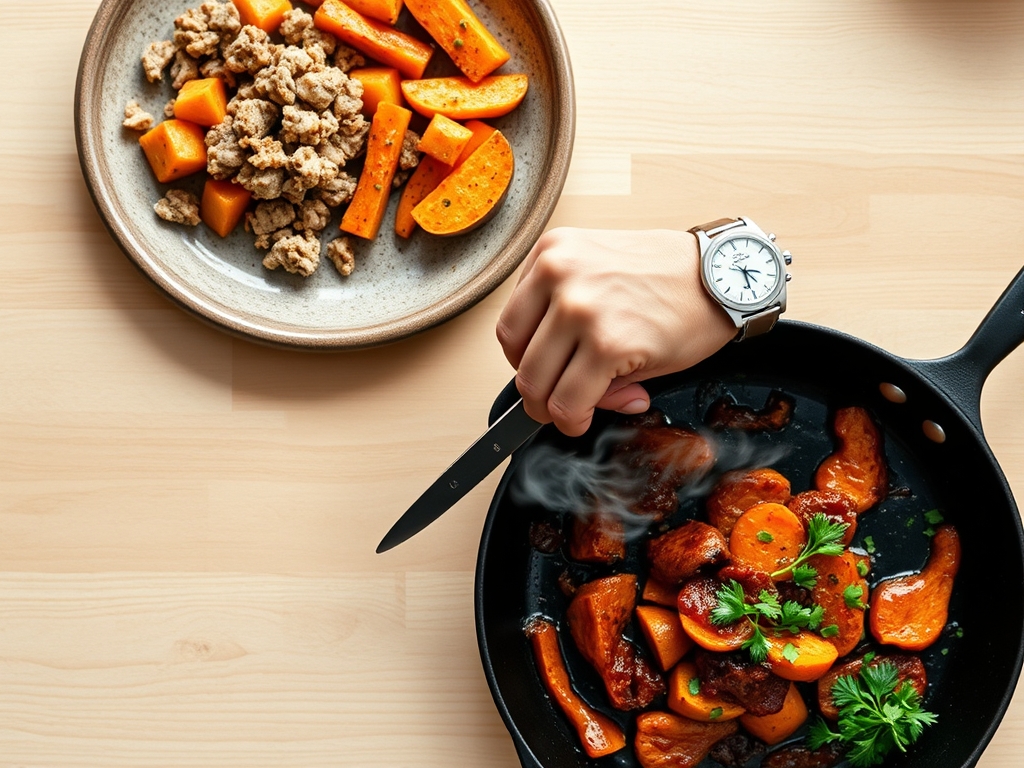
Efficiency in the kitchen is dictated by the "Chef's Flow," a sequence that maximizes heat usage and minimizes downtime. Your total active prep time is 20 minutes, with a collective cook time of 45 minutes. We start by preheating the oven to 425 degrees Fahrenheit. While the oven reaches its thermal equilibrium, we use the first 10 minutes for high-speed knife work.
The flow is simple: we roast the "base" potatoes first because they require the most significant thermal energy to break down complex starches. While they undergo their transformation, we prepare the savory toppings and "keto-boosters" on the stovetop. This overlapping schedule ensures that every component reaches its peak temperature simultaneously. By the 40-minute mark, your kitchen will be an aromatic sanctuary, and you will be ready for the final assembly.
The Masterclass:
1. The Precision Dice and Roast
Use a sharpened chef knife to cube your sweet potatoes into uniform half-inch pieces. Toss them in a bowl with melted ghee and a pinch of cream of tartar. The cream of tartar lowers the pH, which helps the exterior become exceptionally crisp while the interior stays fluffy.
Pro Tip: This technique utilizes enzymatic browning prevention. By coating the cut surfaces immediately in fat, you limit oxygen exposure, preventing the potato from turning gray and ensuring a vibrant orange hue.
2. The Cauliflower Hybrid Mash
Steam your cauliflower florets until they are completely tender, then combine them with a small portion of roasted sweet potato. Use a saucier to warm heavy cream and garlic before folding it into the mix. This creates a high-volume, low-carb mash that mimics the mouthfeel of a traditional starch.
Pro Tip: Use a microplane to grate fresh nutmeg into the mash. The essential oils in nutmeg are fat-soluble, meaning they will infuse into the cream and enhance the natural sweetness of the potato without added sugar.
3. The Savory Loaded Skins
Scoop out the centers of roasted potato halves, leaving a thin wall of flesh. Brush the interiors with avocado oil and return them to the oven face-down. This maximizes the surface area for the Maillard reaction, creating a structural "vessel" for your keto toppings like bacon and chives.
Pro Tip: Watch for thermal carryover. Remove the skins when they are slightly less crisp than desired; the residual heat will continue to evaporate moisture for 2 to 3 minutes after they leave the oven.
4. The Air-Fried Spice Wedges
Slice the potatoes into thin wedges and soak them in ice water for ten minutes. Pat them bone-dry with a lint-free towel before dusting with smoked paprika and salt. Air fry at 400 degrees, shaking the basket every five minutes to ensure even airflow.
Pro Tip: Soaking the wedges removes excess surface starch. This prevents the wedges from sticking together and allows the hot air to aerate the spaces between the fries for maximum crunch.
5. The Brown Butter Sage Sauté
In a heavy-bottomed skillet, melt butter until the milk solids turn a deep amber. Toss in pre-roasted sweet potato cubes and fresh sage leaves. The sage will crisp up instantly, providing a textural contrast to the soft potato.
Pro Tip: This process involves rendering the water out of the butter. Once the bubbling stops, the temperature rises rapidly, so move quickly to avoid burning the delicate milk solids.
6. The Sweet Potato and Pecan Crumble
For a "sweet" keto treat, mash roasted potato with erythritol and cinnamon. Top with crushed pecans and a drizzle of melted butter. Bake until the pecans are fragrant and the edges of the mash are bubbling.
Pro Tip: Pecans have a high oil content. The heat causes these oils to deglaze the natural sugars on the potato surface, creating a self-basting effect that intensifies the flavor profile.
7. The Benedict Tuber Disc
Slice large sweet potatoes into thick rounds and sear them in a skillet until they serve as a sturdy base. Top with a poached egg and hollandaise sauce. The starch in the potato disc acts as a stabilizer for the rich, acidic sauce.
Pro Tip: Use a bench scraper to flip the discs cleanly. Ensuring the disc is fully caramelized provides the structural integrity needed to hold the weight of the egg without collapsing.
The Deep Dive:
When we look at the macro nutrition of these keto sweet potato recipes, we are aiming for a net carb count of roughly 12 to 15 grams per serving. By blending the potato with cauliflower or high-fiber greens, we keep the fiber-to-carb ratio favorable. For dietary swaps, vegans can easily substitute ghee with coconut oil or avocado oil. If you are strictly dairy-free, use full-fat coconut milk in the mash to maintain that viscous and creamy texture.
"The Fix-It" section is your safety net. If your roasted potatoes are soggy, it is likely due to overcrowding the pan; the trapped steam prevents browning. Fix this by spreading them across two pans. If your mash is too thin, whisk in a quarter-teaspoon of xanthan gum to bind the liquids. If the spices taste bitter, they likely scorched; add a squeeze of lemon juice to brighten the flavor and mask the over-toasted notes. For meal prep, reheat your potatoes in an air fryer or oven rather than a microwave. The microwave causes water molecules to vibrate, leading to a "steamed" and mushy texture, whereas the oven dry-heat preserves the crispy exterior.
The Wrap-Up:
You have just unlocked a whole new level of keto-friendly cooking. By understanding the science of starch manipulation and the power of high-quality fats, you can enjoy the vibrant flavors of sweet potatoes without the guilt. These seven ideas are just the beginning; use these techniques to experiment and create your own signature dishes. Cooking is a science, but eating is an art. Now, go forth and conquer your kitchen with confidence and a little bit of wit!
The Kitchen Table:
Can I really eat sweet potatoes on keto?
Yes, in moderation. By pairing small portions of sweet potato with high-fiber cauliflower and healthy fats, you can maintain ketosis while enjoying the flavor and nutrients of the tuber.
How do I make sweet potatoes extra crispy?
The secret is removing surface starch. Soak your cut potatoes in ice water, dry them thoroughly, and use a light coating of starch-friendly fat like ghee before roasting at high heat.
What is the best way to reheat these?
Avoid the microwave to prevent mushiness. Use an air fryer or a 400-degree oven for five minutes. This restores the crisp exterior through dry-heat convection and maintains the internal texture.
Why use cauliflower in the mash?
Cauliflower acts as a low-carb bulking agent. It mimics the texture of potatoes but significantly lowers the overall glycemic load, allowing for a larger serving size while staying within keto limits.